Imagine peering at a map of what would become the United States in 1700. It wasn't a unified nation but a complex patchwork of vast, largely unexplored territories. European colonial powers asserted claims over significant coastal and inland regions, often overlapping and creating future conflicts. This historical snapshot reveals a continent in flux, shaped by indigenous nations, European ambitions, and the raw challenges of cartography. Understanding the us map 1700 helps us grasp the origins of American identity, territorial disputes, and the remarkable journey toward nationhood. Early maps were not just geographical representations; they were political statements, reflecting power struggles and aspirational claims. Delving into this era offers crucial insights for anyone interested in American history or the evolution of cartography.
What did the us map 1700 look like?
The us map 1700 presented a North America divided among European colonial powers. British settlements lined the East Coast, while France claimed vast regions around the Great Lakes and Mississippi. Spain held Florida and parts of the Southwest. Significant portions remained indigenous territory or unexplored wilderness, far from the unified nation we know today. It was a continent of fragmented claims.
Who owned land on the us map 1700?
In 1700, the major land claimants on the North American map were Great Britain, France, and Spain. The British held their Atlantic colonies, while the French asserted vast control over central North America. Spanish dominion extended across Florida and parts of the present-day American Southwest. Crucially, numerous Native American nations also maintained sovereignty over their ancestral lands.
How accurate were maps of the us in 1700?
Maps of the us in 1700 had significant inaccuracies, especially for interior regions. Coastal outlines and major rivers were often depicted with reasonable detail, but large areas inland were based on limited exploration, conjecture, or indigenous accounts. This resulted in distorted geography and vague boundaries, a stark contrast to modern cartography. Accuracy was a major challenge.
What were the major colonial powers on the us map 1700?
The primary colonial powers influencing the us map in 1700 were Great Britain, France, and Spain. Great Britain established its thirteen colonies along the eastern seaboard. France maintained extensive claims in what is now Canada and the Mississippi River basin. Spain controlled Florida and the American Southwest, reflecting its earlier explorations and conquests across the continent.
Why is the us map 1700 important for history?
The us map 1700 is vital for understanding the foundational period of American history. It illustrates the origins of colonial competition, territorial disputes, and the significant presence of Native American nations. This historical view provides critical context for subsequent conflicts, expansions, and the eventual formation of the United States, revealing the continent's dynamic past.
When we examine a us map 1700, we're not seeing the familiar outline of today's United States. Instead, we encounter a continent brimming with different European claims and vast, sovereign Indigenous lands. This era showcases a truly fragmented North America, a landscape very different from what we know today.
Understanding the us map 1700 reveals a complex tapestry of power struggles and fledgling settlements. The British, French, and Spanish empires were actively asserting their presence. Their territorial ambitions often clashed, setting the stage for future conflicts across the continent.
The Shifting Landscape of the US Map 1700
The eastern seaboard of the us map 1700 primarily featured British colonies, from New England down to the Carolinas. These coastal settlements were slowly expanding inland, often at the expense of Native American territories. The scale of European influence was growing steadily.
To the north and west of the British claims, the French dominated vast stretches of land, particularly along the Great Lakes and Mississippi River systems. Their presence on the us map 1700 was characterized by trading posts and forts, establishing crucial routes. Spain, meanwhile, maintained a strong foothold in Florida and the American Southwest, reflecting centuries of exploration.
Native American Lands on the US Map 1700
Crucially, the us map 1700 also depicts countless sovereign Native American nations. While often overlooked by colonial cartographers, these indigenous peoples held immense power and controlled much of the interior. Their presence shaped European expansion and profoundly influenced colonial interactions.
Early cartographers faced significant challenges in accurately depicting the us map 1700. Limited exploration, rudimentary surveying techniques, and vast unexplored wilderness led to many inaccuracies. Maps of this period often combined known coastal areas with speculative inland features, reflecting the unknown.
Understanding Territorial Divisions on the US Map 1700
| Colony/Territory | Claiming Power | Key Features on us map 1700 |
|---|---|---|
| New England Colonies | British | Coastal settlements, growing populations, trade hubs |
| Middle Colonies (NY, PA) | British | Diverse populations, agricultural lands, key ports |
| Southern Colonies (VA, NC, SC) | British | Plantation economy, expansion west, cash crops |
| New France | French | Vast interior claims, Mississippi River, fur trade |
| New Spain | Spanish | Florida, Southwest, missions, indigenous populations |
| Native American Lands | Indigenous Nations | Dominant in interior, diverse tribes, cultural centers |
What Others Are Asking about the US Map 1700?
What did the us map 1700 look like?
The us map 1700 displayed a North America fragmented by European claims. British colonies hugged the eastern coast, while vast French territories stretched inland along major rivers. Spain controlled Florida and parts of the Southwest. Large, undefined areas represented sovereign Native American lands and unexplored wilderness, making it a very different picture from today.
Who owned land on the us map 1700?
On the us map 1700, land was primarily claimed by three European powers: Great Britain, France, and Spain. British colonies were concentrated along the Atlantic seaboard. France held extensive claims in the interior, including the Mississippi Valley. Spain controlled Florida and the Southwest. Additionally, numerous Native American nations held dominion over vast traditional territories.
How accurate were maps of the us in 1700?
Maps of the us in 1700 were generally inaccurate, particularly for inland regions. While coastal areas and major waterways were better charted, vast territories remained unexplored. Cartographers relied on explorer accounts, limited surveys, and even speculation, leading to distorted geographical features and imprecise boundaries. Accuracy improved significantly later with better technology and exploration.
What were the major colonial powers on the us map 1700?
The major colonial powers vying for control on the us map 1700 were Great Britain, France, and Spain. Great Britain established thirteen colonies along the Atlantic coast. France claimed immense territories in the North and Midwest, including the Mississippi River basin. Spain maintained its presence in Florida and the southwestern lands, asserting long-standing claims.
Why is the us map 1700 important for history?
The us map 1700 is crucial for understanding American history because it illustrates the complex origins of the nation. It highlights competing colonial claims, the significant presence of Native American societies, and the geographical challenges of the era. This snapshot provides context for future conflicts, territorial expansion, and the eventual formation of the United States, showcasing a truly foundational period.
FAQ about the US Map 1700
Who created maps of the us in 1700?
Maps of the us in 1700 were created by European cartographers and explorers. These individuals, often funded by colonial powers, compiled information from various expeditions and existing charts. Notable cartographers like Guillaume Delisle contributed significantly, attempting to map the New World with the best available, though often limited, data.
What defined the borders on a us map 1700?
Borders on a us map 1700 were defined by a mix of colonial charters, treaties, and actual exploration or occupation. Often, these borders were vaguely drawn along natural features like rivers or mountain ranges, leading to overlapping claims. The actual control on the ground, especially in the interior, was frequently contested or remained with Native American nations.
Why are there gaps in the us map 1700?
Gaps in the us map 1700 largely exist due to the vast, unexplored nature of the North American interior. European exploration had primarily focused on coastal areas and major navigable rivers. Large tracts of land beyond these explored zones remained unmapped or only partially understood, reflecting the limits of 18th-century geographical knowledge.
How did exploration impact the us map 1700?
Exploration profoundly impacted the us map 1700 by gradually filling in unknown territories. Each expedition, whether by French trappers, British settlers, or Spanish missionaries, added new geographical details. This continuous, albeit slow, process transformed blank spaces into areas with rivers, mountains, and indigenous settlements, making maps incrementally more complete.
Fragmented North America, European Colonial Claims, Native American Presence, Limited Cartographic Accuracy, Seeds of Future US States, Early American Borders, us map 1700 significance
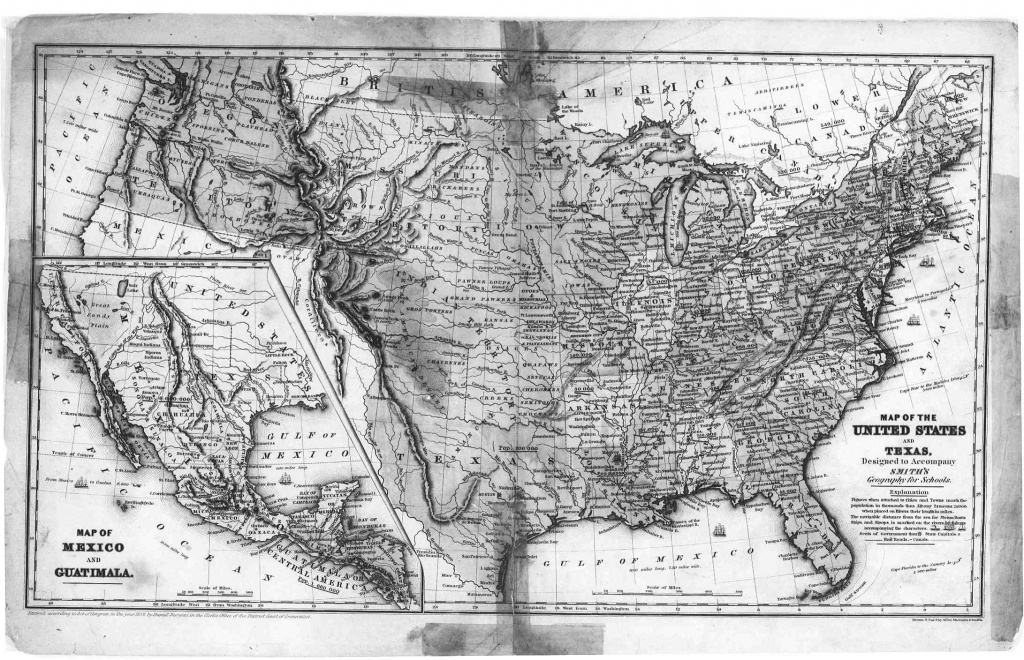 Map Of The United States Printable Map Digital History Within Map Of The United States
  United States Map homann
  Florida Memory Map Of North And Central America Fmc
 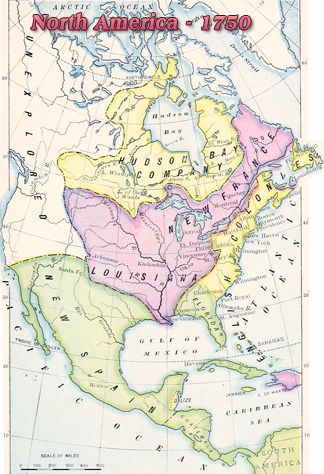 English Colonies Of North America Map North America th Century Map
 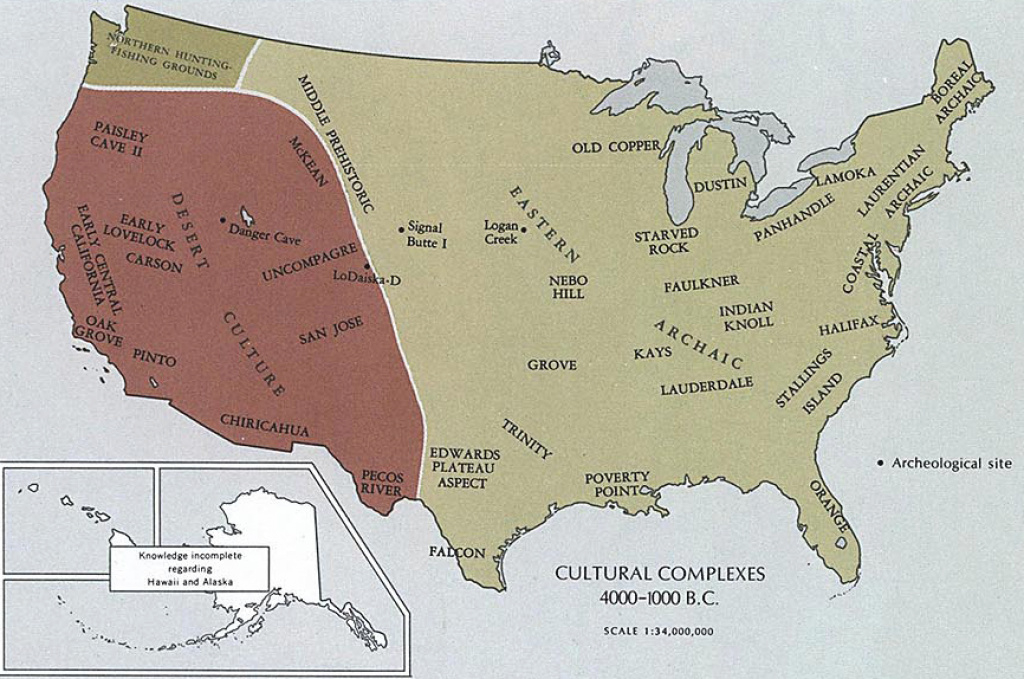 Mapping America Unveiling The US Map Of Map Of The United States B C Intended For Map Of The United States
  The United States In By Lion Fang On DeviantArt Dsp f f e fe
 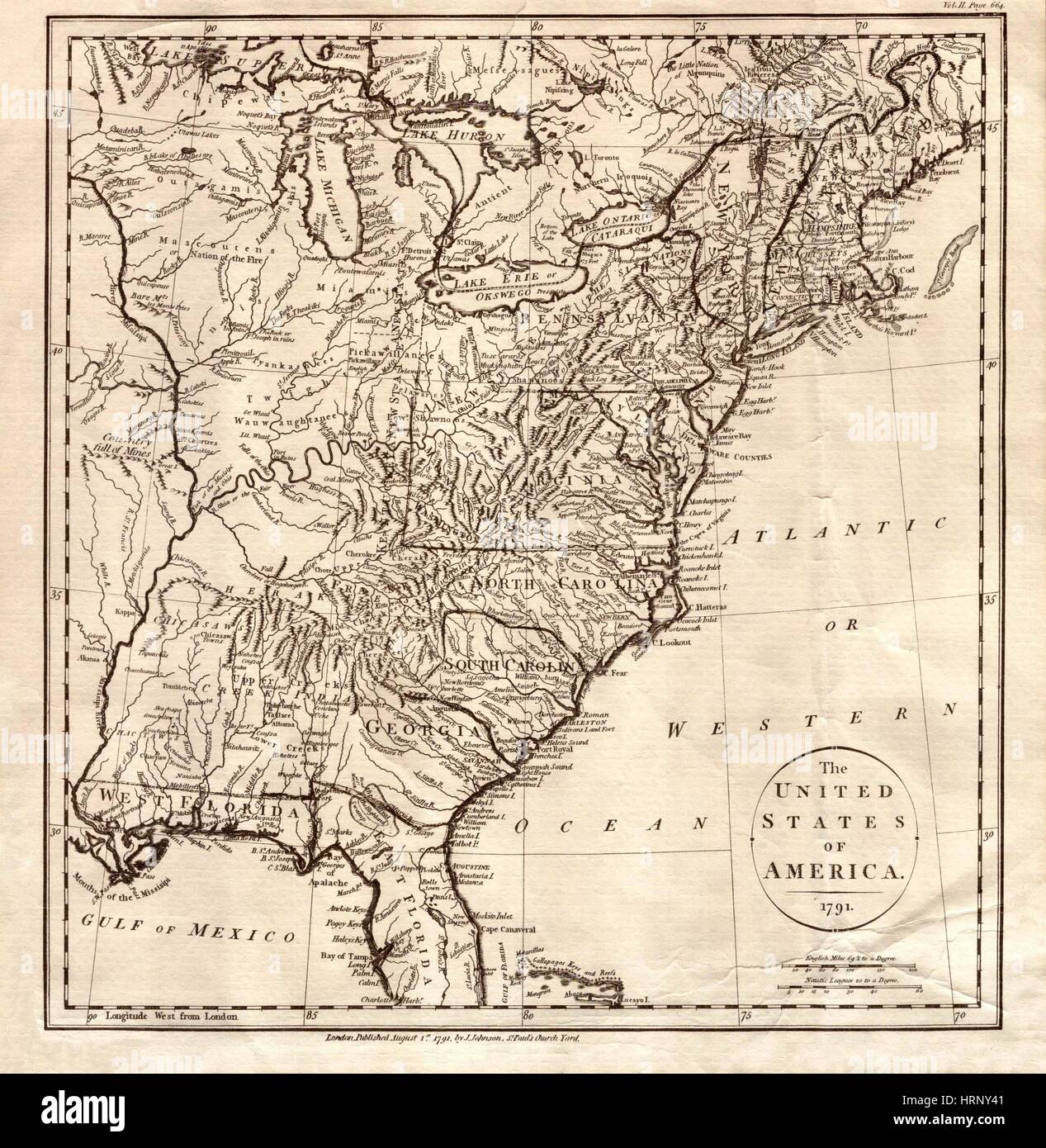 Usa Map s Hi Res Stock Photography And Images Alamy Map Of America HRNY
 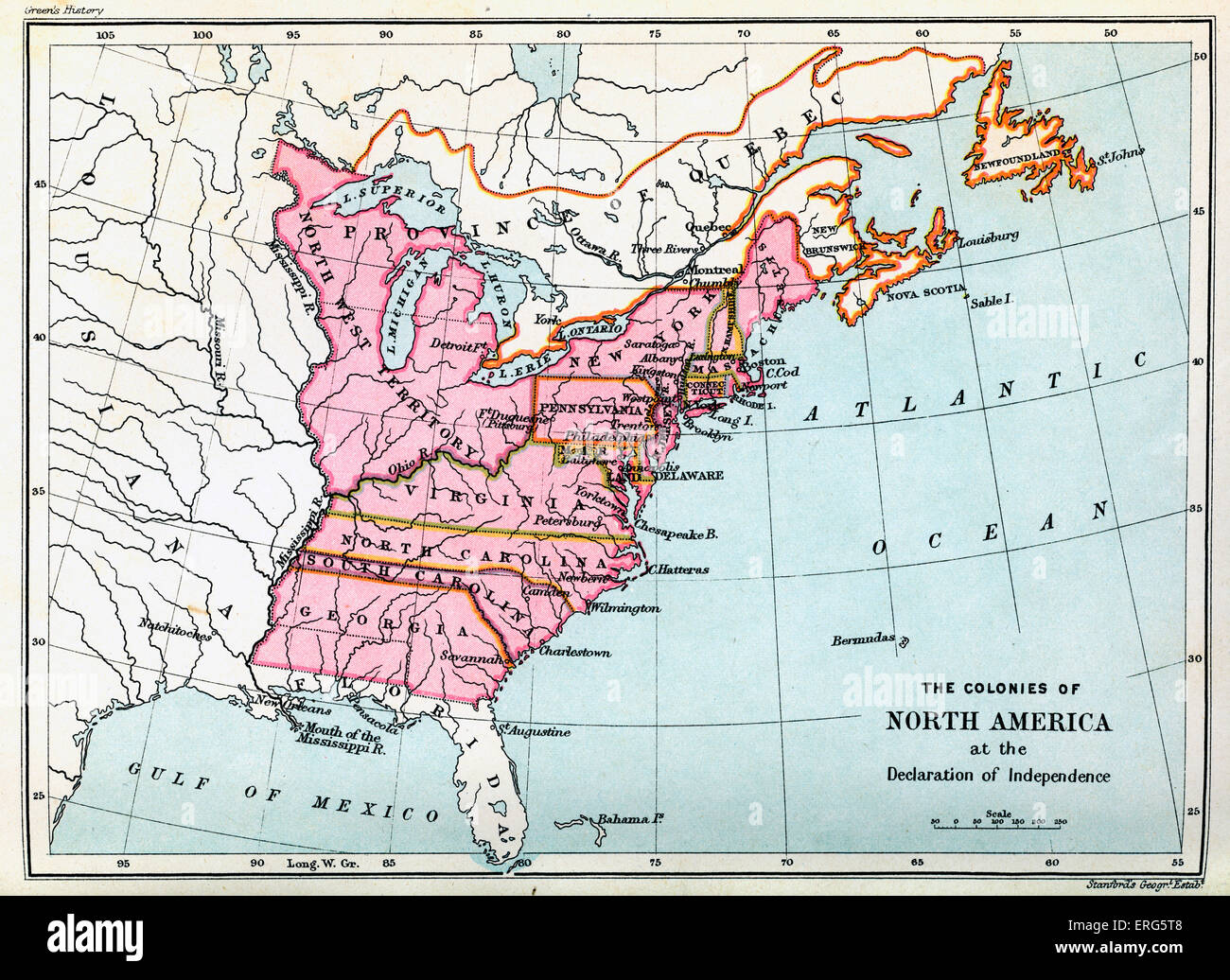 Map Of Us In Oconto County Plat Map Colonies Of North America In At The United States Declaration ERGT
 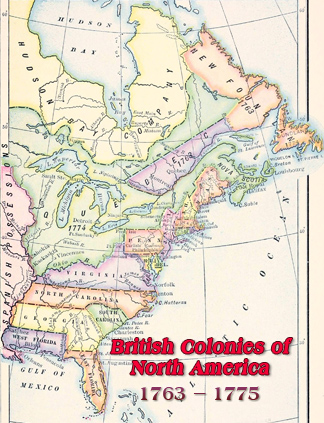 English Colonies Of North America Map British Colonies Map
 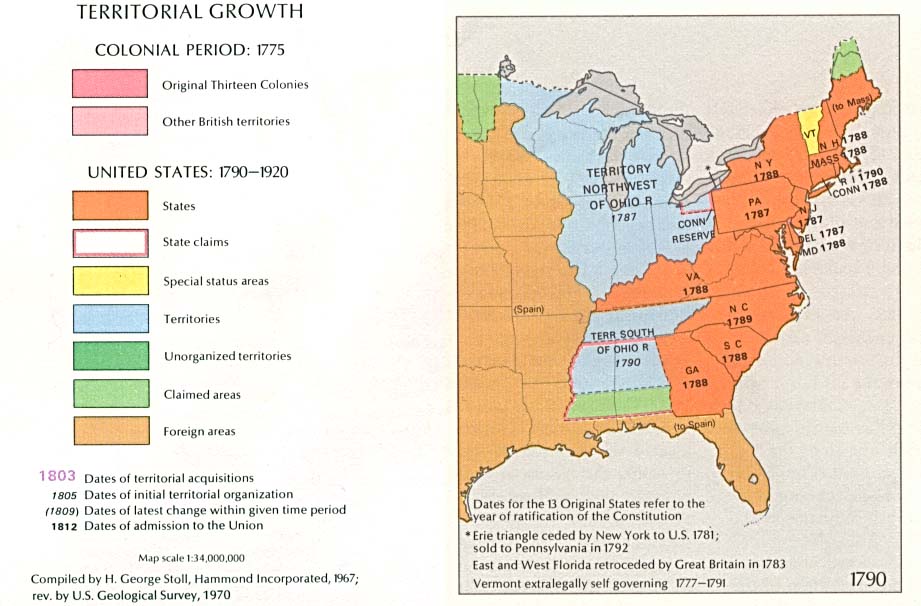 United States Historical Maps Perry Casta Eda Map Collection UT Us Terr
 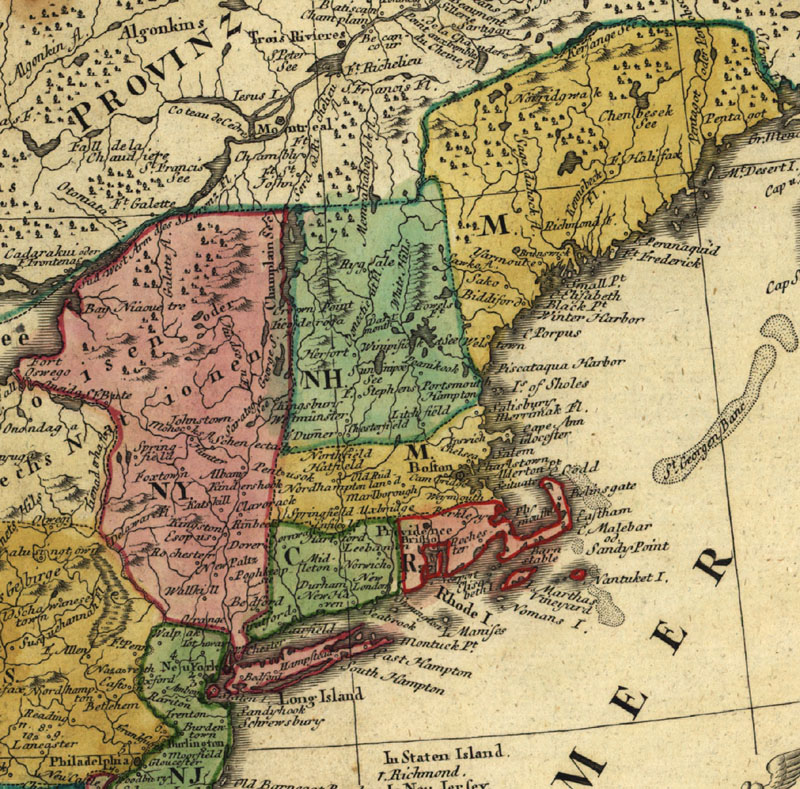 Maps Of th Century America