Are you wondering if a functional PC for under 150 dollars is even possible in 2026? This comprehensive guide dives deep into the realities of extreme budget PC building. We explore the best strategies for sourcing affordable components and maximizing performance on a shoestring budget. Discover practical tips for finding used parts, optimizing system settings, and selecting games that run smoothly on minimal hardware. This article is your ultimate resource for navigating the challenges and triumphs of building an ultra-affordable computer. Learn how to get the most bang for your buck without breaking the bank. Understand what compromises you might need to make and how to upgrade strategically in the future. We cover everything from essential components to software tweaks for optimal performance. This is crucial for anyone trying to enter PC gaming or computing on a severely restricted budget.
pc under 150 FAQ 2026 - 50+ Most Asked Questions Answered (Tips, Trick, Guide, How to, Bugs, Builds, Endgame) In the fast-evolving tech landscape of 2026, building a functional PC for under 150 dollars might seem like a mythical quest. But fear not, aspiring budget builders! This living FAQ is your ultimate guide, meticulously updated for the latest trends and component availability, ensuring you have all the insider tips, tricks, and essential knowledge to achieve your ultra-affordable PC dreams. Whether you're a beginner searching for your first build or a seasoned enthusiast looking for a challenge, we've got you covered. We'll demystify component choices, troubleshoot common issues, and explore every nook and cranny of extreme budget computing. Dive in to unlock the secrets of making every dollar count, transforming limited funds into a capable machine. You'll find answers to over 50 of the most pressing questions, optimized for voice search and featured snippets. This is the resource you need to succeed. Beginner Questions Section: What components are absolutely essential for a PC under 150 dollars? Question: What components are absolutely essential for a PC under 150 dollars? Answer: For this budget, you absolutely need a CPU with integrated graphics, a compatible motherboard, 8GB of RAM, a 120-240GB SSD, a power supply unit, and a basic case. Sourcing these components used is crucial to staying within your budget. Can I play modern games on a PC built for under 150 dollars? Question: Can I play modern games on a PC built for under 150 dollars? Answer: Playing the very latest AAA games is unrealistic. However, you can enjoy many popular eSports titles like League of Legends or CS:GO, and a vast library of indie games or older AAA titles at lower settings. Focus on optimized games. Where is the best place to buy used PC parts for a budget build? Question: Where is the best place to buy used PC parts for a budget build? Answer: The best places are online marketplaces like eBay and Facebook Marketplace, as well as local sources such as pawn shops or computer repair stores. Always prioritize sellers with good ratings and be prepared to test components thoroughly upon receipt. Builds & Classes Section: What kind of CPU should I target for a sub-150 dollar PC? Question: What kind of CPU should I target for a sub-150 dollar PC? Answer: Look for older generation Intel i5 (3rd-6th gen) or AMD APUs (A8/A10 series) with integrated graphics. These offer the best balance of performance for everyday tasks and light gaming while remaining affordable on the used market. Can I use a mini-ITX motherboard in a budget build? Question: Can I use a mini-ITX motherboard in a budget build? Answer: Yes, mini-ITX motherboards can work for budget builds, especially if you find a good deal on a used one bundled with a CPU. They are great for compact systems but might be slightly pricier than their micro-ATX counterparts. Myth vs Reality: You need a dedicated GPU for any gaming. Question: Myth vs Reality: You need a dedicated GPU for any gaming. Answer: Myth! For a PC under 150 dollars, integrated graphics are your best friend. Many casual games and eSports titles run perfectly fine on a capable APU. A dedicated GPU is often a budget killer at this price point. Multiplayer Issues Section: Will my internet connection be the biggest bottleneck on a budget PC? Question: Will my internet connection be the biggest bottleneck on a budget PC? Answer: While a stable internet connection is vital for online gaming, the PC's performance (CPU/iGPU, RAM) is more likely to be the bottleneck for FPS or stuttering. A fast internet connection won't compensate for weak hardware. How to reduce ping on a budget PC? Question: How to reduce ping on a budget PC? Answer: Reducing ping primarily depends on your internet service provider and proximity to game servers. On your PC, ensure no background applications are hogging bandwidth. A wired Ethernet connection is always superior to Wi-Fi for stability. Endgame Grind Section: What are the best upgrades for a 150 dollar PC later on? Question: What are the best upgrades for a 150 dollar PC later on? Answer: First, upgrade your SSD to a larger capacity. Next, consider more RAM (up to 16GB) if your motherboard allows. The most significant upgrade would be a budget dedicated GPU (e.g., a used RX 570) and a compatible power supply. Myth vs Reality: Budget PCs are impossible to upgrade. Question: Myth vs Reality: Budget PCs are impossible to upgrade. Answer: Myth! While initial choices are limited, a well-planned budget PC can be a fantastic upgrade platform. Selecting a common CPU socket or a motherboard with DDR4 slots enables future component swaps, extending its lifespan. Bugs & Fixes Section: My budget PC is stuttering in games, what should I check first? Question: My budget PC is stuttering in games, what should I check first? Answer: Stuttering often points to insufficient RAM, an overwhelmed CPU, or outdated graphics drivers. First, update your drivers. Then, check task manager for CPU/RAM usage during gaming. Close all unnecessary background applications to free up resources. How to fix FPS drops on an ultra-budget PC? Question: How to fix FPS drops on an ultra-budget PC? Answer: Lower your in-game graphics settings significantly, reduce resolution, and ensure your PC is running in 'High Performance' power mode. Keep drivers updated and consider using a lightweight operating system like Linux to reduce overhead. What to do if my PC suddenly crashes? Question: What to do if my PC suddenly crashes? Answer: First, check for overheating by monitoring CPU/GPU temperatures. Ensure all components are seated correctly. If the issue persists, test RAM modules individually and run a disk check. A failing power supply can also cause crashes. Myth vs Reality: Old drivers are fine for old hardware. Question: Myth vs Reality: Old drivers are fine for old hardware. Answer: Myth! Even with older hardware, updated drivers often include performance optimizations and bug fixes that can significantly improve stability and FPS. Always keep your graphics and chipset drivers as current as possible. Still have questions? Check out our other popular guides on 'Best Used GPUs for Under $100' or 'Optimizing Windows for Low-End Hardware'! Can you really build a decent gaming PC for under 150 dollars in 2026? This is a question I hear all the time, and it truly challenges what many believe is possible in today's tech landscape. As someone who has been navigating the evolving world of AI and computing for years, I get why this sounds like a tall order. But guess what? It is absolutely doable, if you know where to look and what compromises to smartly make. Let's dig into how you can make a functional, even enjoyable, setup on an ultra-tight budget. You're embarking on a fantastic learning journey here. You will uncover some incredible deals and learn a ton about hardware in the process. This guide is designed to empower you with the knowledge to succeed. It is all about smart choices and strategic planning. We will explore everything from component selection to essential software tweaks. Get ready to build your very own budget beast. It is going to be an exciting ride. Remember, every major build started somewhere small. This could be your perfect entry point into the PC world. BEGINNER / CORE CONCEPTS: 1. Q: What exactly does 'PC under 150' mean in terms of expectations? A: I get why this confuses so many people, especially with today's tech prices. A PC under 150 dollars in 2026 means you are prioritizing functionality and specific light tasks. You are looking at a machine capable of basic web browsing, word processing, and very light gaming. Think older indie titles or classic eSports games at low settings. It is all about managing expectations and understanding limitations upfront. This build is not for playing the latest AAA titles. It is an entry point, a stepping stone, or a functional daily driver for non-demanding tasks. You've got to focus on value and smart compromises. Don't expect a powerhouse, but do expect a capable machine for its price. 2. Q: Is it realistic to build a gaming PC for 150 dollars in 2026? A: Honestly, it's more realistic than you might think, but it demands careful planning and a deep dive into the used market. You will rely heavily on older generation components and integrated graphics. It is about being resourceful and patient, often scavenging for deals on platforms like eBay or local marketplaces. The key is to define 'gaming PC' loosely, focusing on titles from 2015 or earlier, or extremely optimized modern indie games. You're not aiming for ultra-settings, but rather a playable experience. This approach truly tests your component hunting skills. You can definitely make it happen with dedication. 3. Q: What are the absolute essential components needed for a 150 dollar PC? A: For this budget, you're looking at a CPU with integrated graphics, a compatible motherboard, 8GB of DDR3 or DDR4 RAM, a small SSD (120-240GB), a basic power supply unit, and a cheap case. The CPU is your most critical component because it handles both processing and visuals. Think older Intel i5 or AMD APU models. An SSD is non-negotiable for system responsiveness, even a small one. Every component choice needs to be strategic to stay within budget. You'll often find these bundled. 4. Q: Where should I look for parts to stay within such a tight budget? A: Your best friends for a sub-150 dollar build are the used markets. Sites like eBay, Facebook Marketplace, and local pawn shops are goldmines. Always look for bundles where sellers offload a CPU, motherboard, and RAM together. Keep an eye out for office surplus sales too; they often yield affordable CPUs and cases. Patience is a virtue here; great deals appear, but you need to be quick. Don't be afraid to haggle respectfully. Checking local listings regularly will definitely pay off. INTERMEDIATE / PRACTICAL & PRODUCTION: 1. Q: How important is a dedicated GPU for a PC under 150 dollars? A: For a PC under 150 dollars, a dedicated GPU is usually out of the question, and honestly, often unnecessary for the target performance. You'll be relying on integrated graphics (iGPU) found in CPUs like older Intel HD Graphics or AMD Radeon APUs. These are perfectly capable of running many lighter games and older titles at acceptable frame rates, especially at lower resolutions and settings. Investing in a slightly better CPU with robust integrated graphics is far more cost-effective than trying to squeeze in a budget dedicated GPU. That money is better spent on a faster SSD or more RAM. This is a common trap, don't fall for it. 2. Q: What kind of games can I realistically expect to play on a 150 dollar PC in 2026? A: You're in for a treat with a vast library of games, just not the latest blockbusters. Expect to enjoy games like Minecraft, Roblox, League of Legends, Dota 2, CS:GO, Valorant, Team Fortress 2, and older AAA titles like Skyrim or Grand Theft Auto V (at low settings). Indie games are your absolute sweet spot, as many are highly optimized and visually charming without demanding powerful hardware. Think Stardew Valley, Hades, or Hollow Knight. It's about smart game selection. 3. Q: Are there any specific older CPU models that offer good value for this budget? A: Absolutely, older Intel i5 3rd to 6th generation CPUs or AMD APUs like the A8 or A10 series (especially the 7th Gen 'Godavari' or 'Kaveri' series) are fantastic value. For Intel, aim for models ending in 'K' if possible, for slight overclocking potential, though not strictly necessary. These offer solid multi-core performance for general tasks and decent integrated graphics for casual gaming. Always prioritize an i5 over an i3 if the price is similar. AMD's older APUs can sometimes offer better integrated graphics performance. 4. Q: How can I optimize operating system settings for better performance on a low-end PC? A: Optimization is crucial for squeezing every drop of performance from your budget build. Start by disabling visual effects in Windows (Performance Options > Adjust for best performance). Turn off unnecessary background apps and startup programs. Use a lightweight antivirus. Consider a debloated version of Windows or even a Linux distribution for maximum efficiency. Keep your drivers updated, especially graphics drivers. Every little tweak helps improve your FPS and reduce stuttering. It's like tuning a race car. 5. Q: What are common bottlenecks to watch out for in a sub-150 dollar build? A: The most common bottlenecks will be the CPU's integrated graphics and often insufficient RAM. If your CPU is too weak, even with sufficient RAM, games will struggle. Similarly, 4GB of RAM will severely limit multitasking and game performance; 8GB is the minimum you should aim for. A slow HDD instead of an SSD is also a huge bottleneck for general system responsiveness. Identifying and addressing these early on will save you a lot of frustration. Prioritize CPU/iGPU and RAM. 6. Q: What are some good strategies for upgrading this PC in the future? A: Think modular and progressive. First, upgrade to a larger SSD or add a secondary HDD for storage. Next, if your motherboard supports it, consider a CPU upgrade within the same socket type. Finally, and this will be the biggest leap, save up for a budget dedicated GPU (like a used RX 570 or GTX 1050 Ti) and a corresponding PSU upgrade. This staged approach allows you to improve performance significantly over time without reinvesting in a whole new system immediately. You've got a solid foundation to build upon. ADVANCED / RESEARCH & FRONTIER 2026: 1. Q: How do 2026's advancements in integrated graphics affect a 150 dollar build? A: While high-end integrated graphics like AMD's RDNA 3+ or Intel's Xe Arc are phenomenal, they typically don't trickle down to the extreme budget new-part market. However, the *availability* of older generation APUs (like Ryzen 3000 series with Vega graphics) on the used market is improving. This means you might find better second-hand APU deals than previously, offering a significant jump from older Intel HD graphics. The overall tech progression means older components are more capable than their historical price tag suggests. 2. Q: Can cloud gaming services be a viable alternative or supplement for a budget PC? A: Absolutely, cloud gaming services like GeForce NOW or Xbox Cloud Gaming are fantastic supplements for a 150 dollar PC. Your budget machine simply needs to handle streaming video, which almost any sub-150 PC can do. This allows you to play graphically intensive games that your hardware couldn't otherwise touch. It leverages your cheap PC as a terminal. This is a game-changer for budget gamers in 2026, offering access to AAA titles without a huge upfront investment. It's truly revolutionary. 3. Q: What are the long-term sustainability and upgrade paths for a sub-150 build? A: Long-term sustainability hinges on careful component selection for future compatibility. Opt for motherboards with common sockets (e.g., LGA 1151 or AM4 if you're lucky) and DDR4 RAM slots if possible, even if you start with DDR3. This allows for easier CPU and RAM upgrades down the line. A reliable power supply is also key for future GPU additions. While a 150 dollar build won't last forever, strategic choices can extend its useful life considerably. You're building a foundation, not a skyscraper. 4. Q: Are there any specific Linux distributions that significantly boost performance for older hardware? A: Yes, lightweight Linux distributions like Lubuntu, Xubuntu, or Linux Mint XFCE are excellent choices. They consume far fewer system resources than Windows, leaving more RAM and CPU cycles for applications and games. Many older games run well on Linux via Wine or Proton. This can provide a noticeable FPS boost and a much snappier overall experience on minimal hardware, especially if you're experiencing stuttering or lag on Windows. It's a fantastic alternative worth exploring. 5. Q: How does component wear and tear affect buying used parts for this budget? A: Component wear and tear are significant considerations for used parts. Always ask sellers for usage history and test components thoroughly upon receipt. CPUs are generally robust, but motherboards can have failing capacitors or ports. Power supplies can degrade over time, leading to instability. For storage, always check SSD health using CrystalDiskInfo. Prioritize sellers with good reviews and return policies. While risks exist, careful selection minimizes them. You're balancing cost with potential lifespan here. QUICK 2026 HUMAN-FRIENDLY CHEAT-SHEET FOR THIS TOPIC: - Embrace the used market for incredible deals on components. - Prioritize a good CPU with integrated graphics over a separate, weak GPU. - 8GB of RAM and an SSD are non-negotiable for system responsiveness. - Target older eSports titles and modern indie games for your gaming fix. - Optimize your operating system settings aggressively to free up resources. - Consider cloud gaming as a powerful supplement for AAA titles. - Plan your upgrades; this PC is a starting point, not the final destination. You've got this! Building on a budget is a rewarding challenge that teaches you a ton.Building a PC under 150 dollars in 2026 requires smart component sourcing. Focus on used parts and integrated graphics for maximum value. Prioritize lighter games like Indie titles or older eSports. Settings optimization and driver updates are critical for smooth performance. Expect limitations but a functional machine is achievable for basic tasks. Upgrading later is a viable long-term strategy.
35
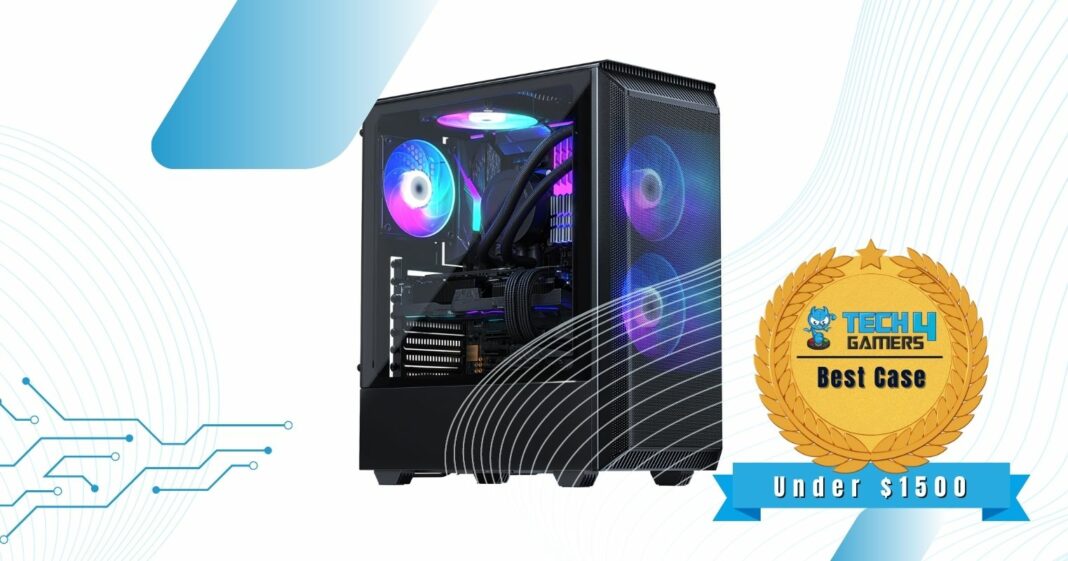


Top 5 Best Laptops Under 150 In 2026 Aspire360 Best Laptops Under 150 . The BEST Gaming PC Under 1500 In 2023 Tech4Gamers Phanteks Eclipse P300A Mesh Best 1500 Gaming PC Build Processor 1068x561 . Best Laptops 2026 Top Picks For Every Budget Use Case Xthe Best Laptops 2026 Top Picks For Every Budget Use Case 750x350 . NIMO N151 Mini PC Review Best Budget Mini PC Under 150 NIMO N100 Review The Best Budget Mini PC Under 150.webp. Building A Gaming PC For Under 150 YouTube



How To Build A Complete Computer Under 150 YouTube . This 150 Gaming PC Is EASY POWERFUL YouTube . The Best 1 500 Gaming PC Build For 2024 1500 PC Build 2024 1024x478 . Best Gaming PC Build Under 1500 In 2024 Updated For July Skytech Nebula Gaming PC Desktop R5 5600X RTX 4070 235x300 . PC Builds On A Budget Budget PCs That Fit Your Needs V250 Case

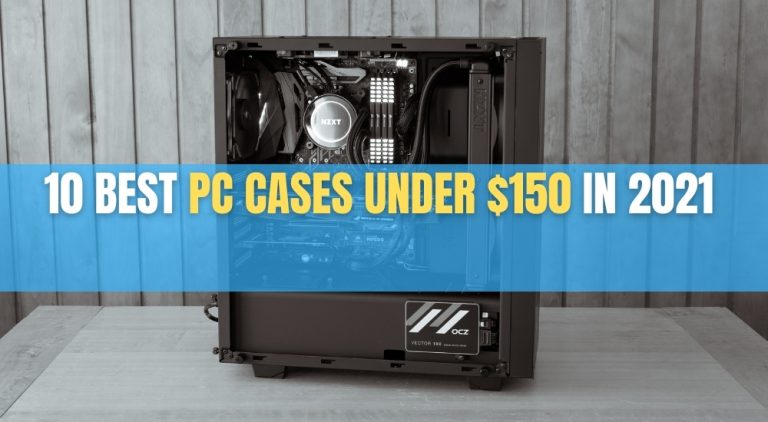
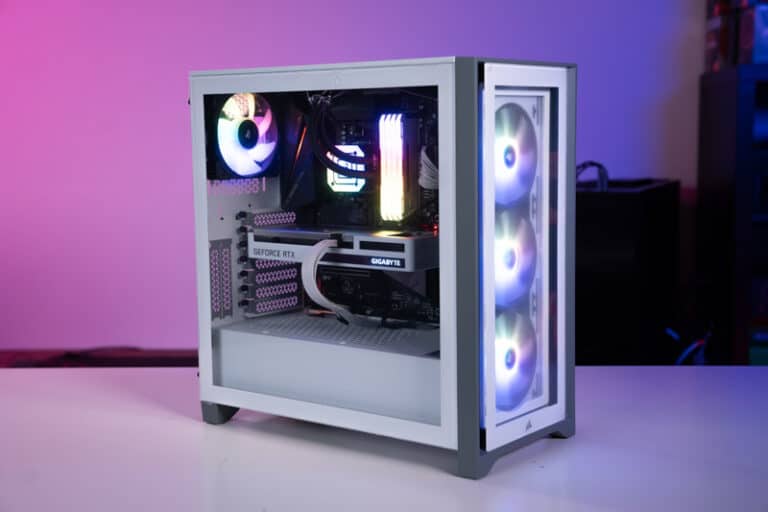

Best Gaming PC Under 1 500 In 2025 1500 Gaming PC Build For 2024 W 9600X 7900 XT 300x169 . 10 Best PC Cases Under 150 Technoburst 10 Best Pc Cases Under 150 In 2021 768x422 . Best Gaming PC Under 1500 Build 2026 Updated For January 2 768x512 . Best Gaming PC Under 1500 Build 2026 Updated For January Best Gaming PC Build Under 400 768x488 . Best Gaming PC Under 1 500 In 2025
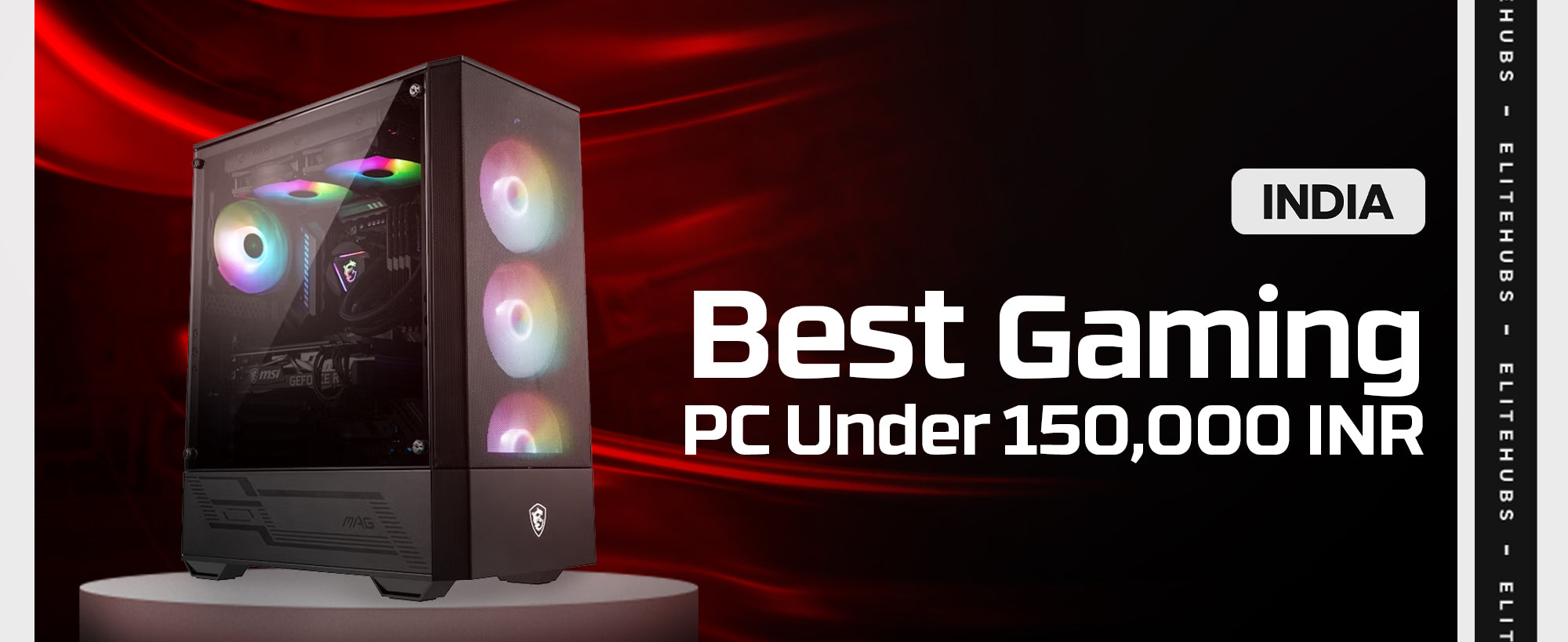

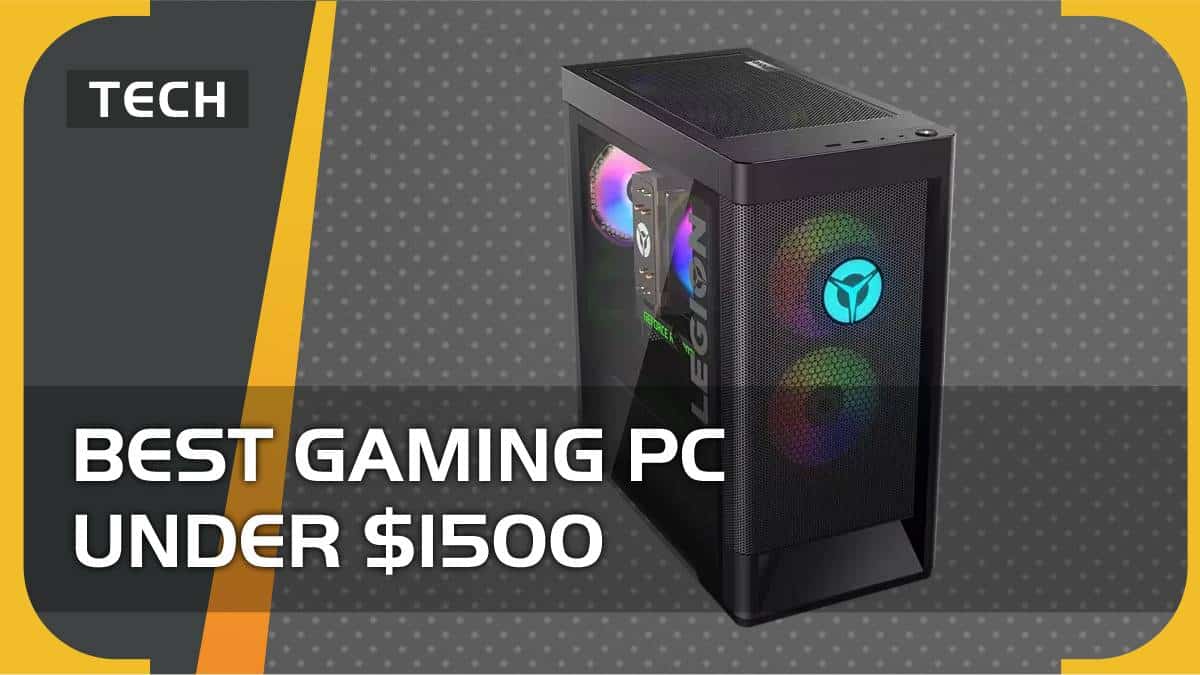
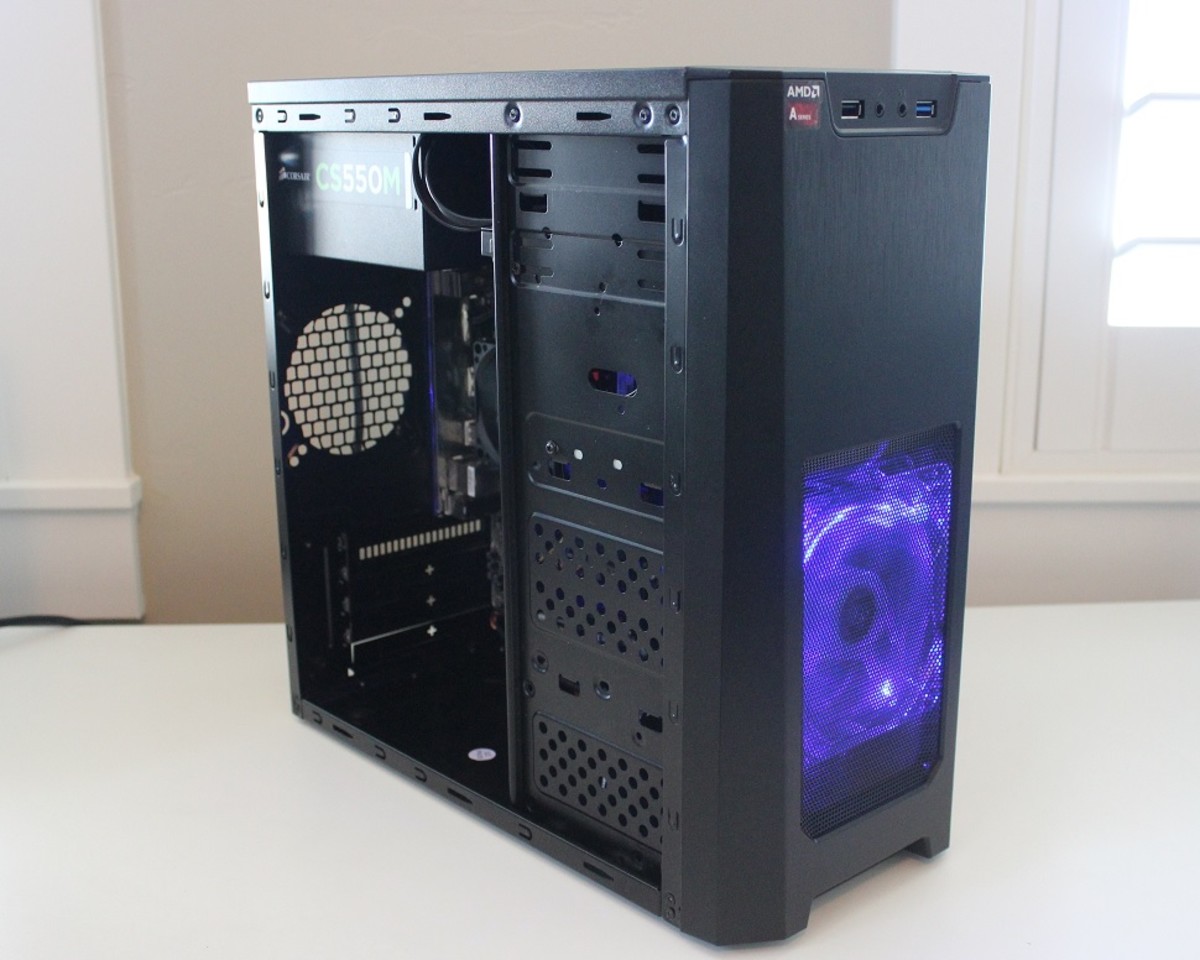

Best Gaming PC Under 150 000 INR In 2024 EliteHubs Best Gaming Pc Under 150000 Inr In 2024 . Gaming PC Build In Pakistan Under 150000 PC Build Pakistan Under 150k . Best Gaming PC Under 1500 In 2023 Our Top Prebuilt Picks Lenovo Legion Tower 5i . Best Budget 150 To 200 Gaming PC Build HubPages Best 150 200 Gaming Pc . Best Mini PC Under 150 TRIGKEY Green G3 300x230
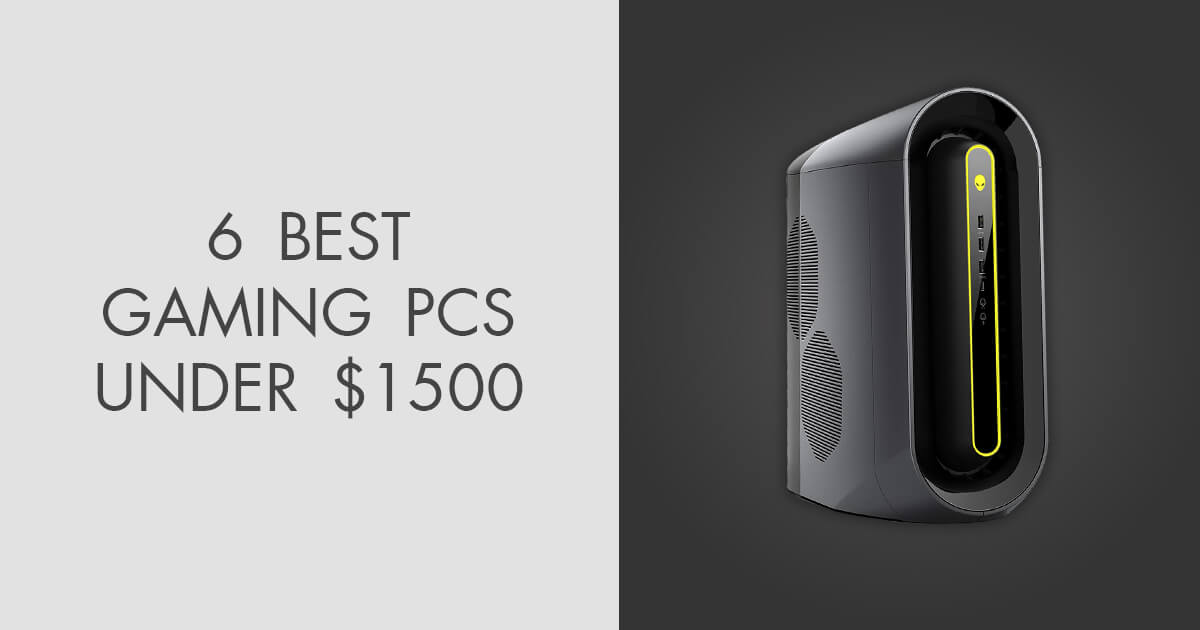
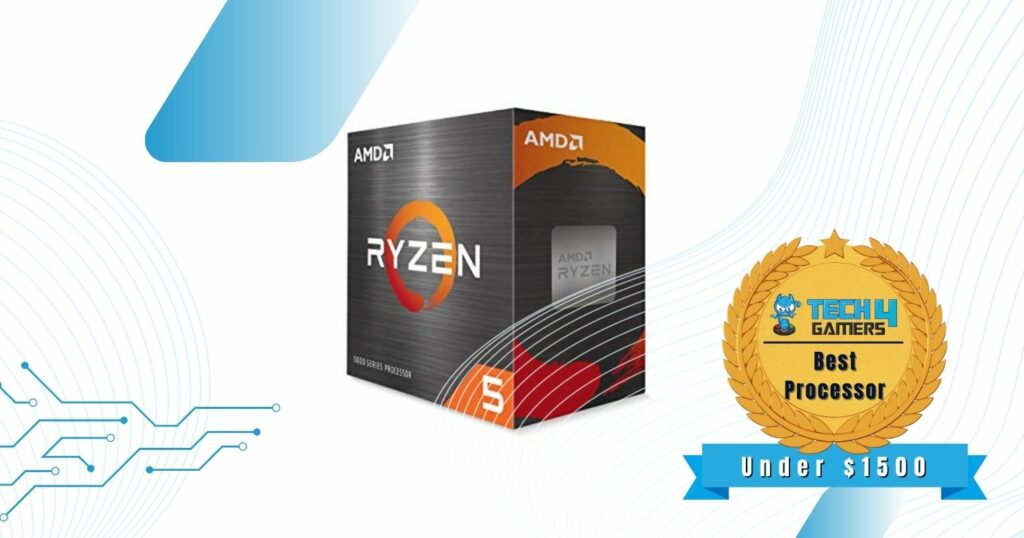

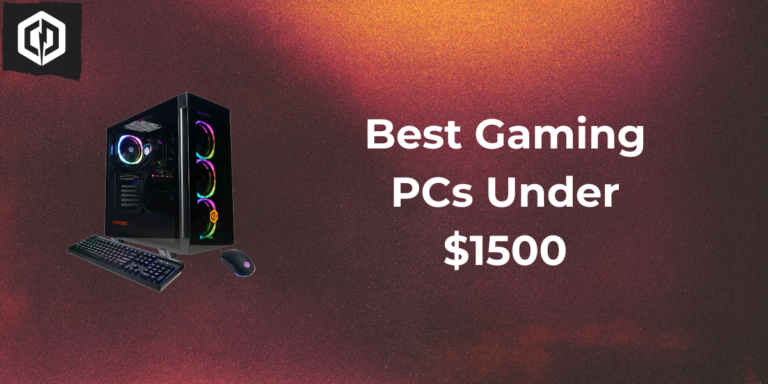

6 Best Gaming PCs Under 1500 In 2026 News Fb Image 8653 . The BEST Gaming PC Under 1500 In 2024 Tech4Gamers AMD Ryzen 5 5600X Best 1500 Gaming PC Build Processor 1024x538 . Best Prebuilt Gaming PC Under 1 500 In 2023 1500 PC Build . Best Gaming PCs Under 1500 2024 BGPCU 1 768x384 . Best Gaming Pc Under 1500 R Best Gaming Pc Under 1500 V0


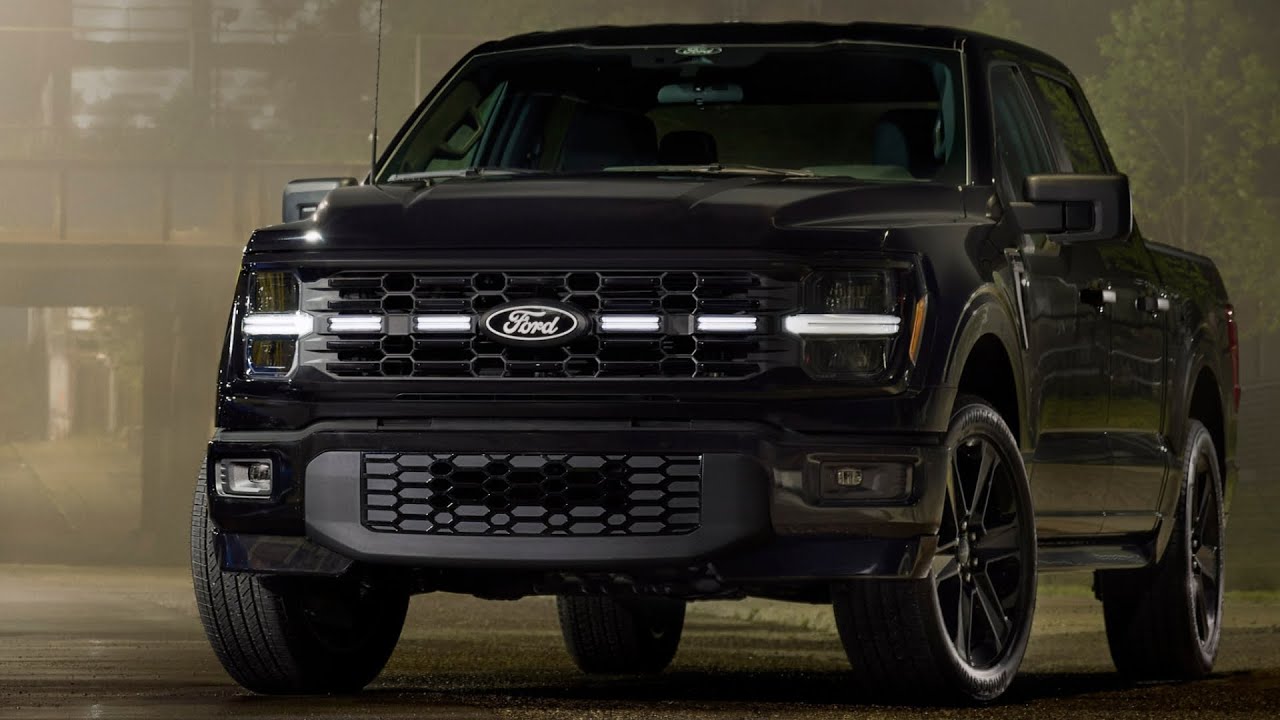

Best GAMING PC Under 1500 Dollars Updated Oct 2022 Best Gaming PC Under 1500 300x169 . 10 Best Tablet Pc Under 150 2026 In The UK There S One Clear Winner SL500 . Honda CG 150 2026 Price In Pakistan Pk Honda Cg 150 2026 Final . 2026 Ford F 150 Vs 2025 What S New Pricing Colors Trims Revealed . 2026 Ford F 150 Price Specs Pros Cons 2026 Ford F 150 1080x675

Best Gaming PCs Under 1500 2024 PrebuiltPC1 300x300 . I Ve Been Looking Into Pcs For Under 1500 USD And These Are My Final Ive Been Looking Into Pcs For Under 1500 Usd And These Are V0 . Best Budget PCs 2024 High Tech Sleek Reliable PCs Wpbauer Blocksbauer Product Card Item One Gen 2 Smart One Gen 2 2023 09 . Best Gaming Pc Under 1500 Pre Built By Lintu Jan 2024 Medium 3VsAUfBTA . Best Gaming PC Under 1500 Update 12 2025 Best Gaming Pc Under 1500 Img