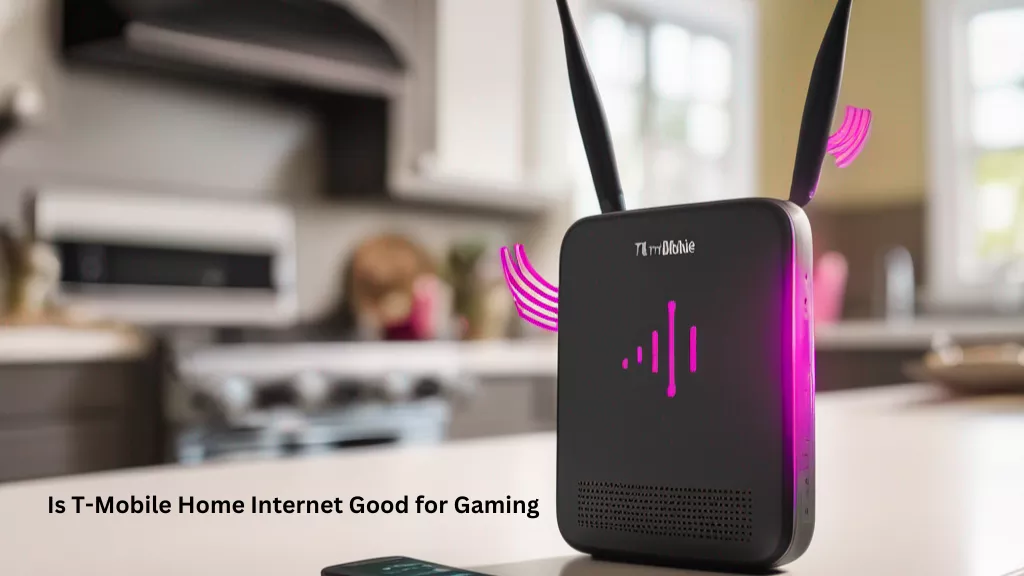
Many gamers wonder, is the T-Mobile router truly good for gaming in the rapidly evolving landscape of 2026? This comprehensive guide dives deep into T-Mobile Home Internet's performance, assessing its suitability for various gaming experiences. We will explore crucial factors such as ping, latency, download and upload speeds, and overall connection stability. Understanding how these elements impact your online gameplay is essential for competitive and casual players alike. Discover expert tips for optimizing your T-Mobile router settings, troubleshooting common issues like lag and stuttering, and enhancing your gaming experience. Whether you play fast-paced FPS titles, strategic MOBAs, or expansive MMOs, this guide provides the insights you need. Stay informed about the latest 5G advancements and learn if T-Mobile's wireless solutions meet the demands of modern gaming. We cover everything from basic setup to advanced network configurations, ensuring you get the most out of your connection. This resource is designed to help you make an informed decision about T-Mobile Home Internet for your gaming needs.
is tmobile router good for gaming FAQ 2026 - 50+ Most Asked Questions Answered (Tips, Trick, Guide, How to, Bugs, Builds, Endgame)Welcome, fellow gamers, to the ultimate, living FAQ for T-Mobile router gaming in 2026! The landscape of home internet and online gaming is constantly shifting, and with 5G technology evolving rapidly, many of us are asking a critical question: is T-Mobile Home Internet truly viable for competitive and casual gaming? This comprehensive guide, updated for the very latest network advancements and router models, cuts through the noise. We're here to answer your most pressing questions, from basic setup concerns to advanced optimization strategies. Whether you're battling lag spikes, chasing lower ping, or just want to ensure smooth gameplay, you've landed in the right spot. We’ve scoured forums, tested configurations, and gathered expert insights to bring you the definitive resource for optimizing your T-Mobile gaming experience in 2026.
Is T-Mobile 5G Home Internet good for gaming overall?
T-Mobile 5G Home Internet can be surprisingly good for gaming, particularly in areas with strong 5G Ultra Capacity coverage. Speeds are often sufficient, but consistency and low latency are variable depending on tower congestion and signal strength. Casual gamers typically find it acceptable, while competitive players may face challenges.
What is a good ping for gaming with T-Mobile?
A good ping for gaming with T-Mobile is generally under 50ms, with anything below 30ms being excellent. However, T-Mobile's wireless nature means ping can fluctuate, often ranging from 30ms to 80ms. Consistent ping is more crucial than occasional low spikes for smooth gameplay.
How can I reduce lag on my T-Mobile Home Internet?
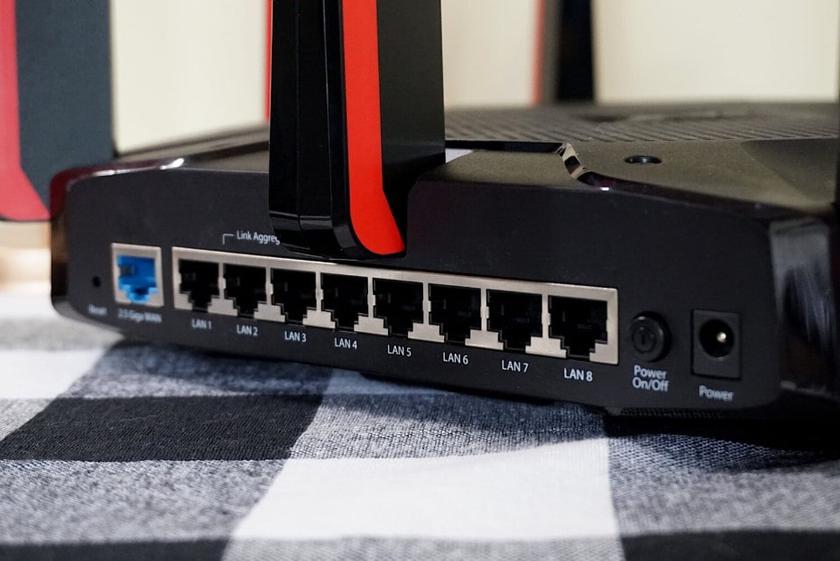
To reduce lag, first, use an Ethernet cable for your gaming device instead of Wi-Fi. Second, optimize router placement for the best 5G signal. Third, limit other network activity during gaming sessions. Fourth, ensure your router's firmware is always updated by T-Mobile for performance. Finally, consider adding a dedicated gaming router for local network benefits.
Does T-Mobile 5G Home Internet have high latency?
T-Mobile 5G Home Internet generally has higher and more variable latency compared to wired fiber or cable connections. While 5G itself can offer low theoretical latency, the real-world performance is affected by factors like cell tower distance, network congestion, and backhaul infrastructure. This variability can impact competitive gaming.
Can I use a different router with T-Mobile 5G Home Internet for better gaming?
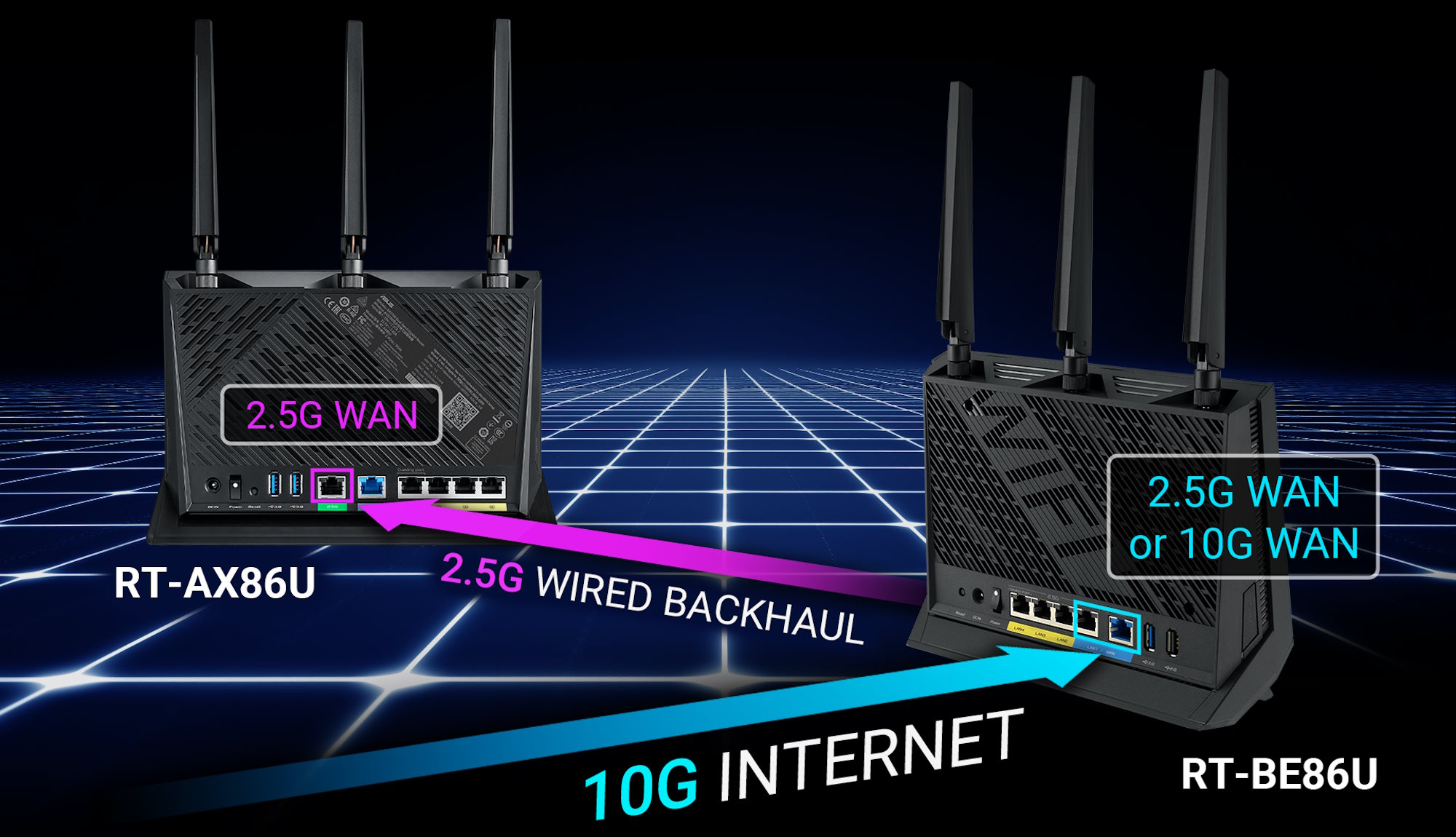
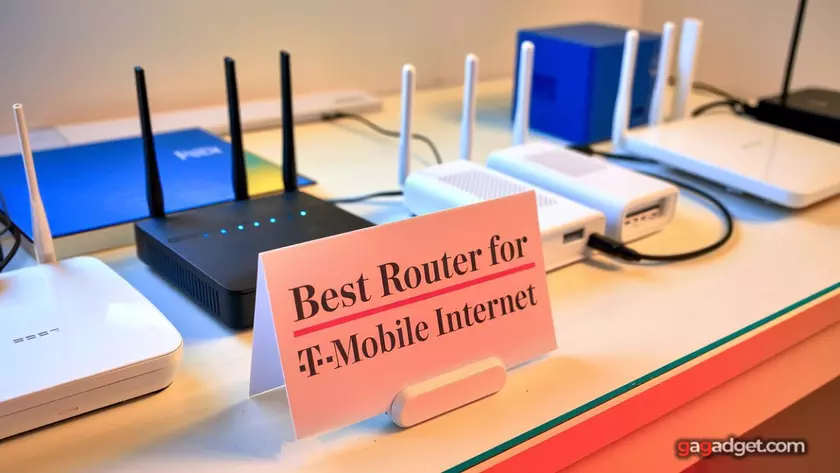
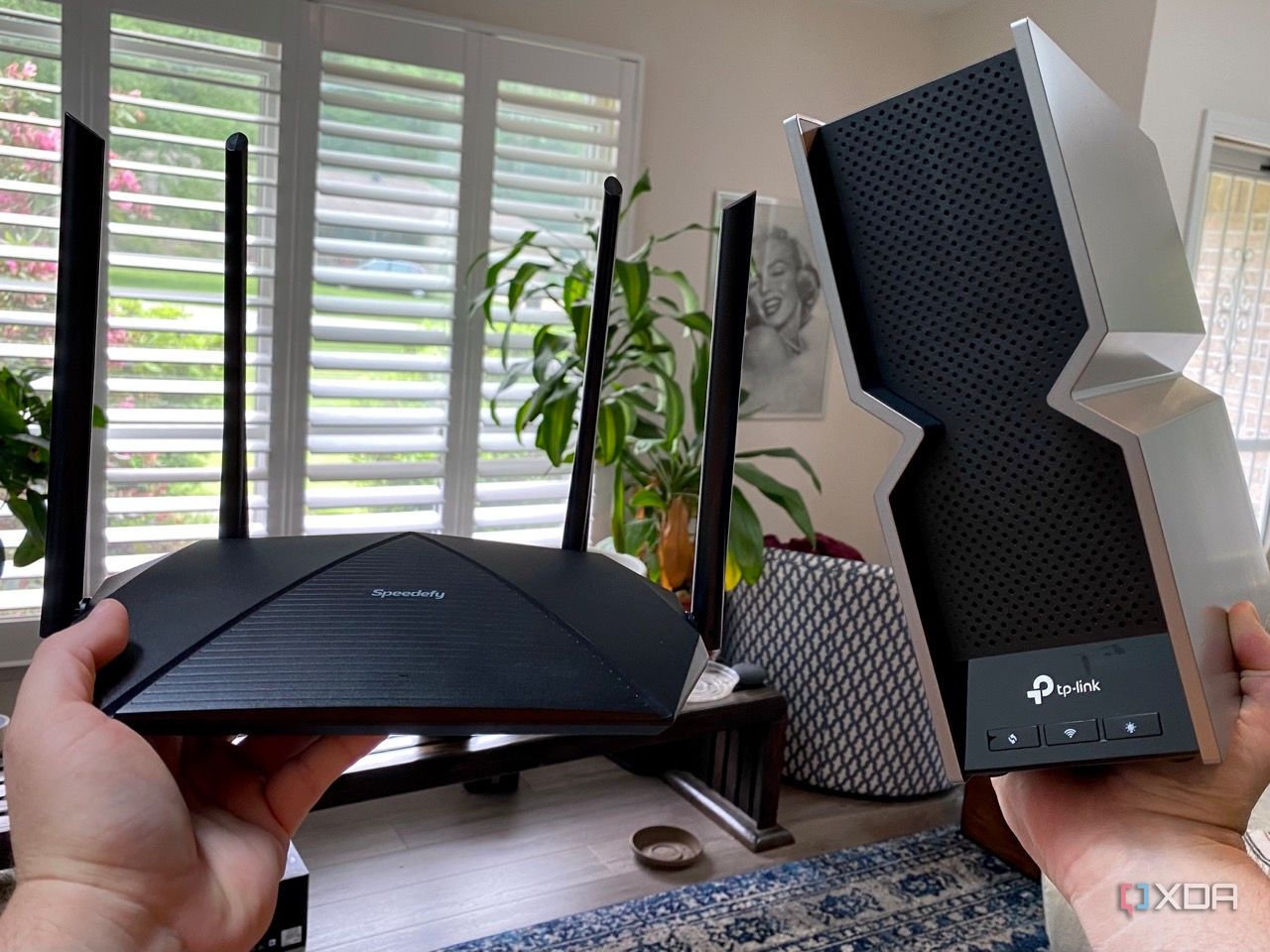
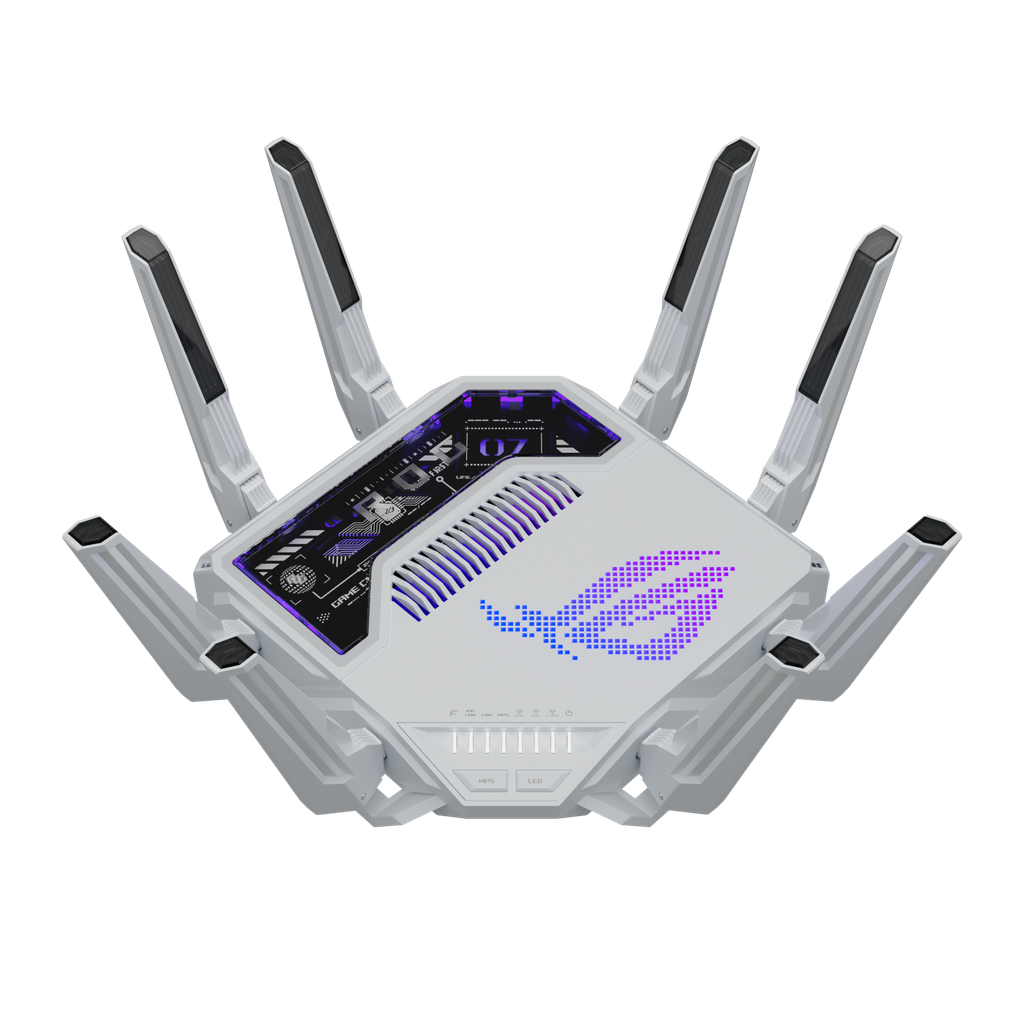
Yes, you can use a separate, dedicated gaming router connected via Ethernet to your T-Mobile gateway. This won't change the 5G connection quality from T-Mobile, but it can significantly improve your home Wi-Fi network's performance. A gaming router offers advanced features like QoS, better Wi-Fi range, and superior local network management, which are beneficial for gaming devices.
Understanding T-Mobile Home Internet for Gamers
T-Mobile's 5G Home Internet leverages its cellular network, offering a unique wireless broadband solution. Gamers often wonder about its reliability for intense online sessions. Performance largely hinges on factors like local 5G tower proximity and network congestion, directly influencing speed and latency. It is crucial to set realistic expectations for wireless internet.
What is T-Mobile Home Internet?
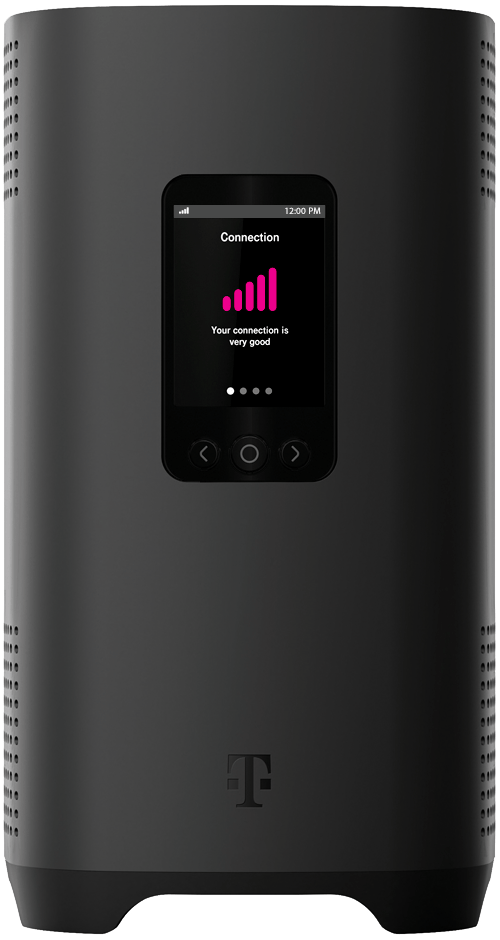
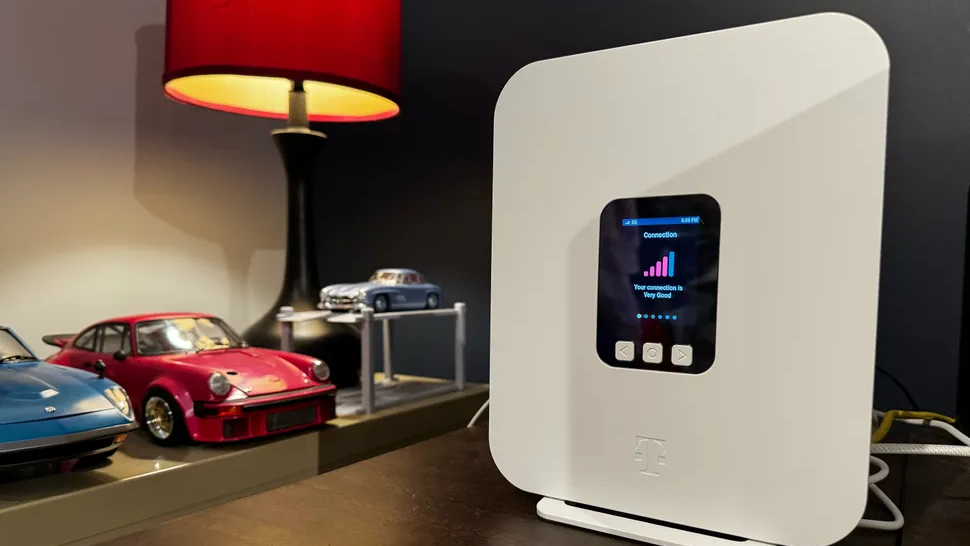
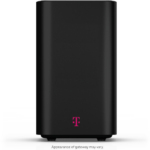
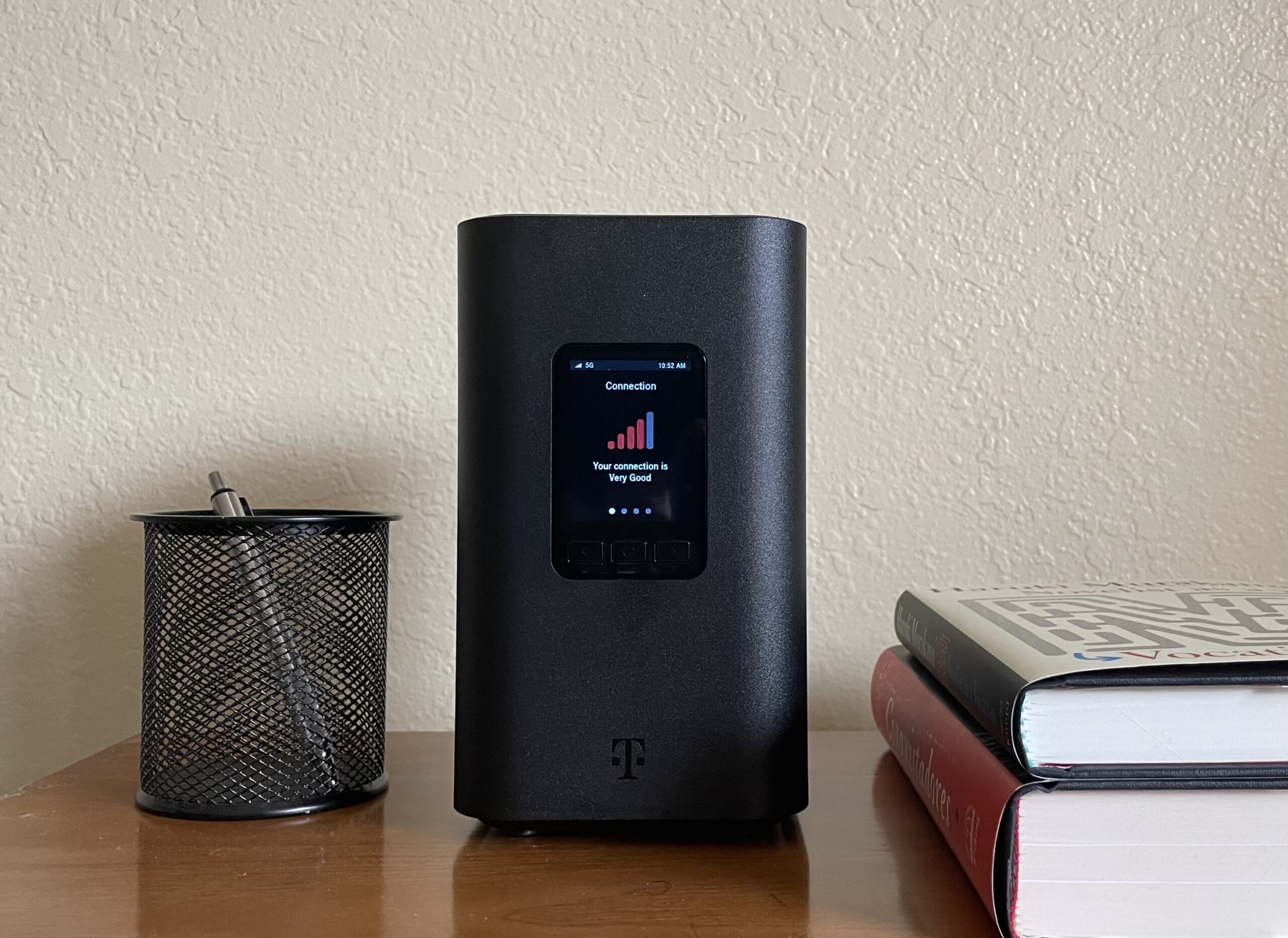
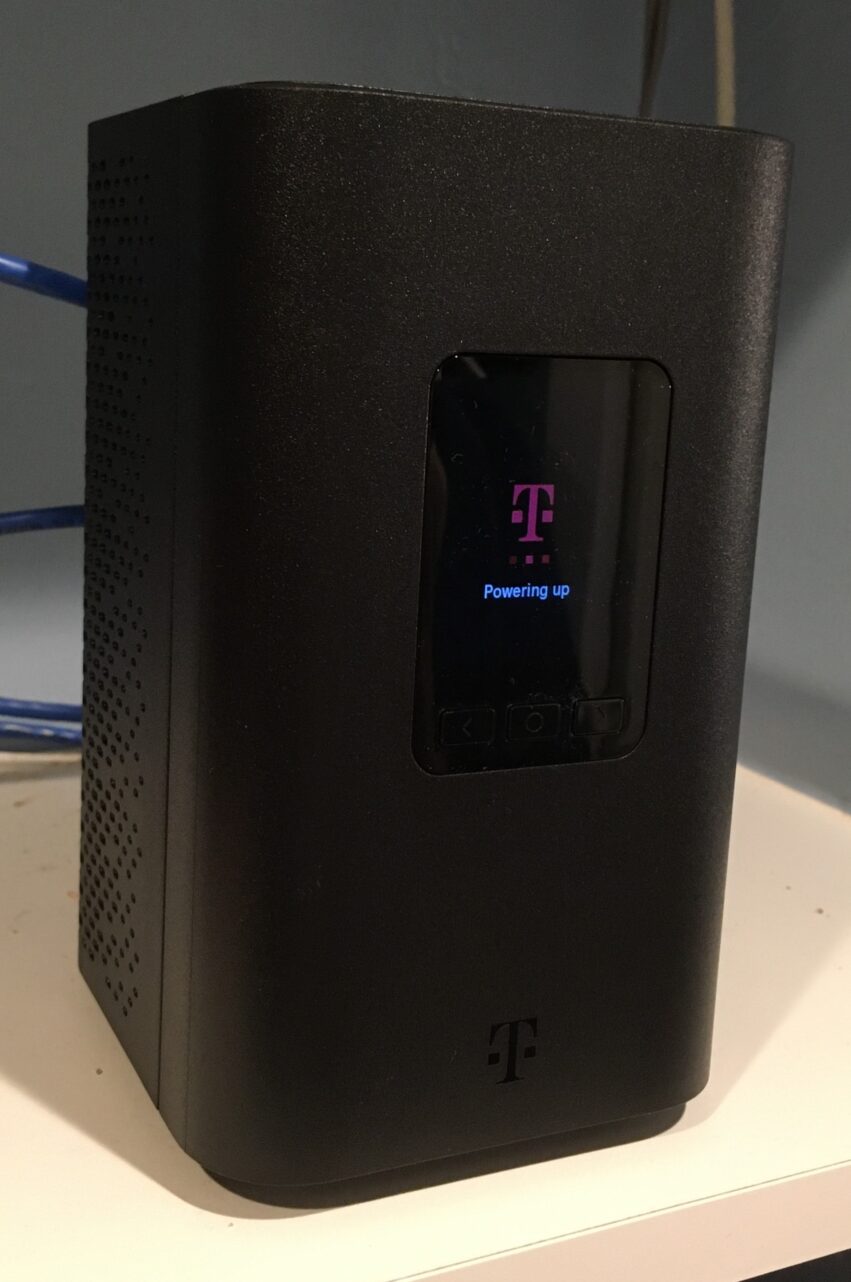
T-Mobile Home Internet provides broadband access through T-Mobile's 4G LTE and 5G cellular networks. It uses a dedicated gateway device that receives a wireless signal. This gateway then broadcasts Wi-Fi throughout your home for all connected devices. This service offers an alternative to traditional cable or fiber options. It aims to deliver high speeds without complex installations. It is available in many regions across the US.
How does T-Mobile 5G Home Internet work for gaming?
For gaming, T-Mobile 5G Home Internet connects your device to game servers via the wireless 5G network. Your router sends and receives data through nearby cell towers. This differs from a direct wired connection that typically routes through ground infrastructure. Speed and latency depend heavily on your router's signal strength. They also depend on the capacity of the local T-Mobile 5G tower. Optimal performance requires a strong, stable cellular connection.
What are the ideal speeds for gaming with T-Mobile?
For most online gaming, you ideally need at least 25-50 Mbps download and 5-10 Mbps upload speeds. T-Mobile's 5G Home Internet can often exceed these minimums, especially in strong 5G UC areas. However, consistent speeds are more important than peak speeds. Fluctuations can cause frustrating lag. Prioritize a stable connection over just raw download numbers.
Does T-Mobile throttle internet speeds for gamers?
T-Mobile states they do not throttle 5G Home Internet speeds based on specific activities, including gaming. However, all wireless networks, including T-Mobile's, are subject to network management policies. During periods of extreme congestion, home internet users might experience deprioritization compared to mobile phone users. This could lead to slower speeds and higher ping for gamers, especially at peak times. It is not specific throttling, but a network management consequence.
Speed and Latency: The Core of Gaming Performance
Speed and latency are paramount for any serious gamer. T-Mobile's wireless nature introduces unique variables compared to wired options. Understanding how these factors influence your game responsiveness is critical. We will examine the real-world impact of 5G on competitive play.
What causes high ping on T-Mobile Home Internet?
High ping on T-Mobile Home Internet is primarily caused by factors inherent to wireless cellular networks. These include your distance from the 5G cell tower, network congestion in your area, and signal interference. The data has to travel through more hops wirelessly compared to a direct wired connection. This often introduces additional delays, contributing to higher latency. Even a strong signal does not guarantee low ping.
Myth vs Reality: T-Mobile 5G is always faster than fiber for gaming.
Myth: T-Mobile 5G is always faster than fiber for gaming. Reality: While T-Mobile 5G can offer impressive download speeds in ideal conditions, fiber optic internet consistently provides superior low latency and stability. Fiber's dedicated wired connection minimizes ping fluctuations, which is critical for competitive gaming. T-Mobile 5G speed might be higher, but latency can vary.
How does network congestion affect T-Mobile gaming?
Network congestion significantly affects T-Mobile gaming by increasing latency and reducing available bandwidth. During peak usage times, when many users are connected to the same cell tower, data traffic slows down. This leads to higher ping, more frequent lag spikes, and a generally less responsive gaming experience. Gamers will notice dropped inputs and stuttering gameplay.
Can a poor signal from the T-Mobile tower impact my gaming?
Absolutely, a poor signal from the T-Mobile tower directly impacts your gaming performance. A weak signal results in lower speeds, higher latency, and increased packet loss. This leads to frustrating lag, disconnects, and a generally unstable connection. Optimizing your router's placement to receive the strongest possible signal is crucial. It is the first step to improve stability.
Optimizing Your T-Mobile Router Settings
Maximizing your T-Mobile router's performance for gaming involves smart configuration. Even though T-Mobile's gateways have fewer advanced options, some tweaks can make a noticeable difference. We explore the best settings to prioritize your gaming traffic and reduce common frustrations.
What are the best Wi-Fi settings for gaming on T-Mobile?
For optimal Wi-Fi gaming on T-Mobile, prioritize using the 5GHz band over 2.4GHz for your gaming device. The 5GHz band offers faster speeds and less interference, albeit with a shorter range. Ensure your router is centrally located and elevated. Try to minimize physical obstructions. Keep your router's firmware updated, and disable Wi-Fi on other less critical devices during gameplay. Consider a Wi-Fi analyzer to find less congested channels.
Should I use a wired connection for gaming with T-Mobile?
Yes, absolutely. Using a wired Ethernet connection for your gaming PC or console with T-Mobile Home Internet is highly recommended. A wired connection bypasses local Wi-Fi interference and reduces latency, offering the most stable and responsive gaming experience possible. It directly connects your device to the router, minimizing signal degradation. This is the single most impactful optimization you can make.
Myth vs Reality: Changing DNS servers always fixes T-Mobile gaming lag.
Myth: Changing DNS servers always fixes T-Mobile gaming lag. Reality: While changing to a public DNS like Google (8.8.8.8) or Cloudflare (1.1.1.1) can sometimes reduce lookup times, its impact on actual in-game ping and lag is often minimal. DNS primarily affects how quickly your browser finds websites, not the direct data flow to game servers. It's a small optimization, not a guaranteed fix for underlying network latency issues.
Does QoS (Quality of Service) help gaming on T-Mobile?
Yes, if your T-Mobile router or a secondary gaming router connected to it supports Quality of Service (QoS), it can significantly help gaming. QoS allows you to prioritize gaming traffic over other data, ensuring your game gets preferential bandwidth. This prevents lag spikes caused by background downloads or streaming from other devices on your network. Check your router settings for QoS options and configure them for your gaming device.
Common Gaming Issues and Troubleshooting
Even with optimal settings, gamers might encounter specific issues with T-Mobile Home Internet. Understanding common problems like stuttering, disconnects, and strict NAT types is crucial. We provide practical troubleshooting steps to get you back in the game faster.
How to fix FPS drops or stuttering when using T-Mobile for gaming?
FPS drops or stuttering during T-Mobile gaming are often network-related, not graphics-related. First, confirm you're on a wired connection. Second, check your T-Mobile router's signal strength; a weak 5G signal can cause micro-stutters due to packet loss. Third, ensure no background downloads or streams are consuming bandwidth. Finally, reboot your router and gaming device to clear any temporary glitches. These steps often resolve network-induced stuttering.
Why am I experiencing frequent disconnects with T-Mobile Home Internet while gaming?
Frequent disconnects with T-Mobile Home Internet while gaming often stem from an unstable 5G cellular connection. This could be due to varying signal strength, temporary tower issues, or severe network congestion in your area. Incorrect router placement or firmware bugs can also contribute. Ensure your router is optimally positioned. Keep its firmware updated. Contact T-Mobile support if disconnections persist, as it might indicate a broader network problem. Consider monitoring your connection stability over time.
How do I deal with strict NAT types on my console with T-Mobile?
Dealing with strict NAT types on your console with T-Mobile Home Internet can be challenging due to its wireless nature and potential for Double NAT. First, try enabling UPnP (Universal Plug and Play) in your T-Mobile router settings if available. If that doesn't work, manually configure port forwarding for your console's specific gaming ports. As a last resort, placing your console in a DMZ (Demilitarized Zone) on your router can open all ports, but this is less secure. T-Mobile's internal network structure can sometimes make these workarounds difficult to implement effectively. Consider reaching out to T-Mobile customer support for guidance specific to your router model.
Gaming with 5G vs Wired Connections
The debate between 5G wireless and traditional wired connections continues to shape gaming experiences. Each has distinct advantages and disadvantages. We examine which connection type offers the best stability and performance. This helps gamers make informed choices for their setup.
Myth vs Reality: 5G is always better than wired Ethernet for gaming.
Myth: 5G is always better than wired Ethernet for gaming. Reality: While 5G can offer higher *peak* wireless speeds, wired Ethernet consistently provides lower, more stable latency and zero wireless interference. For competitive gaming, the consistency and low ping of Ethernet are almost always superior to even the best 5G wireless connection, which is susceptible to environmental factors and network congestion. Wired is King for stability.
Can I improve T-Mobile 5G signal for my router?
Yes, you can often improve your T-Mobile 5G signal for your router. First, ensure the router is placed in an optimal location in your home, ideally near a window, elevated, and away from obstructions. Experiment with different orientations. For gateways with external antenna ports, consider investing in a compatible external 5G antenna. This can significantly boost signal strength and stability, leading to better gaming performance. Check T-Mobile's official recommendations for your specific router model.
Myth vs Reality: T-Mobile Gaming Edition
Separating fact from fiction is vital in the gaming world. Many misconceptions exist regarding wireless internet and gaming performance. We debunk common myths about T-Mobile Home Internet, providing clear, evidence-based answers for skeptical gamers.
Myth vs Reality: T-Mobile routers are not designed for gaming at all.
Myth: T-Mobile routers are not designed for gaming at all. Reality: T-Mobile's gateways are primarily designed to provide general home internet access, not specifically optimized for hardcore gaming. While they lack advanced gaming features like customizable QoS or robust port forwarding controls found in dedicated gaming routers, they are capable of handling most casual online gaming. Their suitability depends on the strength of your local 5G signal and your gaming demands. They function as general-purpose devices.
Myth vs Reality: All 5G is the same for gaming latency.
Myth: All 5G is the same for gaming latency. Reality: This is far from true. There are different types of 5G (low-band, mid-band, and millimeter-wave or Ultra Capacity). Low-band 5G offers wider coverage but speeds and latency similar to 4G LTE. Mid-band (UC) offers a great balance of speed and lower latency, which is best for gaming. Millimeter-wave is extremely fast but has very limited range. Your gaming experience depends heavily on which 5G band your T-Mobile router is connecting to and its consistency.
Myth vs Reality: Using a VPN always improves ping on T-Mobile for gaming.
Myth: Using a VPN always improves ping on T-Mobile for gaming. Reality: For most gamers, using a VPN will actually increase ping because it adds an extra server hop for your data to travel. While a VPN can sometimes bypass ISP throttling or poor routing, it's not a general solution for reducing latency. It encrypts your traffic, which takes processing time, contributing to higher overall ping. Only use a VPN if you specifically suspect throttling or need security benefits.
Advanced Tips for Competitive Gamers
Competitive gamers demand the absolute best from their connection. This section offers advanced strategies beyond basic optimizations. We dive into specific tools and techniques that can provide an edge, minimizing every millisecond of lag. These tips are for those who play to win.
Should competitive gamers consider T-Mobile Home Internet?
For highly competitive gamers, T-Mobile Home Internet is generally not the ideal primary connection, especially if wired fiber or high-end cable is available. The inherent variability in wireless latency, even with 5G UC, can introduce unpredictable lag spikes that are detrimental in esports. While it can be a decent backup or for less competitive titles, the stability and consistently low ping of a wired connection remain superior for professional play. Consider it an option, but with caveats.
What advanced network monitoring tools can help diagnose T-Mobile gaming issues?
Advanced network monitoring tools like PingPlotter, WinMTR, or even simple continuous pings (ping google.com -t) can help diagnose T-Mobile gaming issues. These tools allow you to visualize latency, packet loss, and the route your data takes to game servers. By running them during gameplay, you can identify if issues are occurring on your local network, T-Mobile's network, or the game server's end. This data provides invaluable insights for troubleshooting. Knowing where the problem lies is half the battle won.
Router Hardware and Firmware Updates
The T-Mobile router itself plays a significant role in your gaming experience. Keeping its hardware and software in top condition is essential. We discuss the importance of firmware updates and potential hardware limitations. This ensures your gateway is performing at its peak capability.
How important are T-Mobile router firmware updates for gaming?
T-Mobile router firmware updates are very important for gaming as they often include bug fixes, security patches, and performance enhancements. These updates can address known issues causing instability, improve Wi-Fi range or speed, and potentially optimize how the router handles traffic. Always ensure your T-Mobile gateway is running the latest firmware. This helps maintain optimal network health and can directly impact your gaming experience, often improving connection stability and reducing minor lag spikes. T-Mobile usually pushes these automatically.
Are newer T-Mobile gateway models better for gaming?
Yes, newer T-Mobile gateway models are generally better for gaming due to updated hardware and improved 5G modem technology. The latest 2026 models often feature more powerful processors, better Wi-Fi 6/6E capabilities, and enhanced antenna arrays for superior 5G signal reception and processing. These improvements contribute to more stable connections, potentially lower latency, and higher throughput. Upgrading to a newer gateway can provide a noticeable boost if you're on an older model. They handle increased network demands more efficiently. It's always worth checking for the latest hardware.
Considering Alternatives and Upgrades
If T-Mobile Home Internet isn't meeting your gaming needs, exploring alternatives or strategic upgrades is a smart move. We discuss other internet options and how combining technologies might create a superior gaming setup. There are always ways to enhance your connectivity.
What are good alternatives to T-Mobile Home Internet for serious gamers?
For serious gamers, good alternatives to T-Mobile Home Internet typically include fiber optic internet and high-speed cable internet. Fiber offers the lowest and most stable latency, making it ideal for competitive play. Cable internet, while having slightly higher latency than fiber, still provides very reliable speeds and consistency. These wired options generally outperform wireless 5G for the critical aspects of competitive online gaming, such as ping and jitter. Explore local providers in your area for wired solutions first. They generally offer more consistent performance. Also, consider fixed wireless providers with clearer line-of-sight.
Can I combine T-Mobile 5G with another internet service for gaming?
Yes, you can combine T-Mobile 5G with another internet service for gaming using a technique called load balancing or failover. This requires a specialized router that can handle multiple WAN (Wide Area Network) connections. Load balancing distributes traffic across both connections for increased bandwidth, while failover switches to the backup connection if the primary one drops. This setup enhances reliability, ensuring you stay online even if one service experiences an outage. It's an advanced solution for maximum uptime, especially for streamers or competitive teams. It provides redundancy and potentially better speeds.
Future of 5G Gaming with T-Mobile
The future of 5G gaming with T-Mobile is bright, with continuous advancements on the horizon. As 5G networks mature and edge computing becomes more prevalent, the potential for low-latency, high-bandwidth gaming will increase. This means better cloud gaming experiences. It will also support more immersive virtual reality applications. T-Mobile's ongoing infrastructure investments are key.
What advancements in T-Mobile's 5G network will benefit gaming in 2026 and beyond?
In 2026 and beyond, T-Mobile's 5G network advancements benefiting gaming will primarily include further expansion of 5G Ultra Capacity (mid-band) coverage. This will offer significantly higher speeds and lower latency to more areas. Enhanced network slicing capabilities will allow specific bandwidth to be reserved for gaming traffic. Continued investment in edge computing will bring game servers physically closer to players, reducing overall ping for cloud gaming and multiplayer titles. These combined efforts will lead to a more consistent and responsive gaming experience for T-Mobile Home Internet users. The technology is always improving.
Still have questions? Check out our other popular guides, like 'Ultimate Guide to Gaming Router Settings' or 'Fixing Wireless Lag: A Comprehensive Walkthrough'. Is that T-Mobile router really good for gaming, you ask? So many people are wondering if their T-Mobile Home Internet setup truly stands up to the demands of modern gaming. It is a critical question for competitive and casual players. We are diving deep into the performance metrics that matter most to gamers. This includes ping, latency, and overall network stability for the latest titles.Many gamers, myself included, have pondered whether wireless home internet can genuinely deliver a lag-free experience. The promise of high speeds from 5G is certainly appealing for everyone. However, gaming requires more than just raw download speed for an enjoyable session. Low latency and consistent ping are absolutely paramount. This applies especially to fast-paced online genres like FPS and Battle Royale games. This guide will provide real answers for the gaming community. We will uncover the truth about T-Mobile’s capabilities in 2026. This comprehensive look offers practical advice and optimization strategies for every player.
Understanding T-Mobile Home Internet for Gaming
T-Mobile's 5G Home Internet service leverages the company's extensive cellular network to provide broadband internet access. Unlike traditional wired connections, this service relies on wireless signals sent from nearby cell towers. Your T-Mobile router receives these signals and broadcasts Wi-Fi throughout your home. This setup offers flexibility and often simpler installation processes. Performance, however, can vary significantly depending on tower congestion and your proximity to the nearest 5G site. These factors directly influence your overall internet speed and stability. Gamers need to understand these nuances for optimal performance.
The Impact of Wireless Technology on Gaming
Wireless technology, while convenient, introduces a few inherent challenges for gaming. Latency, which is the delay in data transmission, is often higher on wireless networks than on wired ones. This can lead to noticeable lag during intense online matches. Signal interference from other devices or even physical obstructions can further degrade performance. Gamers must consider these limitations when relying on a wireless internet service. Optimizing your home setup becomes crucial for a smoother gaming experience. Understanding these wireless quirks helps manage expectations.
Beginner / Core Concepts
1. **Q:** What exactly is 'ping' and why is it so important for gaming with a T-Mobile router? **A:** Hey there, I totally get why this term 'ping' can feel a bit abstract, but it's super crucial for gaming, especially with a wireless setup like T-Mobile's! In simple terms, ping is the time it takes for a small packet of data to travel from your gaming device to the game server and back again. We measure it in milliseconds (ms). Think of it like shouting 'Hello!' to someone across a room and waiting for them to shout 'Hello!' back. The faster they respond, the lower the ping. For gaming, particularly in competitive genres like FPS or MOBAs, a low ping means your actions register almost instantly on the server. If your T-Mobile router delivers high ping, you'll experience frustrating delays, often called 'lag,' where your character might jump around, or your shots don't land as expected. It's truly the heartbeat of responsive online gameplay. You've got this, understanding ping is your first step to better gaming!2. **Q:** Can T-Mobile Home Internet really compete with fiber or cable for serious online gaming? **A:** That's a fantastic question, and one I get asked a lot! The straightforward answer is: it depends heavily on your specific location and the game you're playing. While T-Mobile 5G Home Internet has made huge strides, especially in urban areas with strong 5G Ultra Capacity, it's generally *not* going to consistently compete with dedicated fiber connections when it comes to raw, unshakeable stability and ultra-low latency. Fiber, with its direct wired path, offers the most consistent ping and virtually no signal interference. T-Mobile's wireless nature means it's susceptible to factors like network congestion, tower distance, and even weather, which can introduce variability. For casual gaming, many find it perfectly fine. For serious, competitive, or pro-level gaming where every millisecond counts, fiber or even a solid cable connection usually offers a more reliable edge. Don't let that discourage you though, there are still ways to optimize it! Try this tomorrow and let me know how it goes.3. **Q:** My games feel 'laggy' sometimes with T-Mobile. Is that the router's fault or something else? **A:** Ah, the dreaded 'lag' – I get why this frustrates so many people, and pinning down the cause can feel like detective work! With a T-Mobile router, when you experience lag, it's often a combination of factors rather than just the router itself. While the router plays a role in distributing the signal, the primary culprit for lag with a 5G home internet service is often the wireless connection to the T-Mobile network itself. This could be due to network congestion in your area, your distance from the nearest 5G tower, or even interference from other devices in your home. Sometimes, your gaming device's Wi-Fi adapter or outdated drivers could also contribute. It's like a chain: any weak link can cause a delay. Start by checking your router's placement and the network's general performance. We'll explore some fixes soon! You've got this!4. **Q:** What's the easiest way to check if my T-Mobile router is giving me good speeds for gaming? **A:** This one used to trip me up too, but it's actually pretty simple to get a baseline! The easiest way is to run a speed test on a reliable website like Speedtest.net or Fast.com. Make sure you run it on a device connected to your T-Mobile router, ideally over an Ethernet cable if possible, to get the most accurate reading without additional Wi-Fi interference. Look at three numbers: download speed, upload speed, and most importantly for gaming, the ping (or latency). For solid gaming, you're generally looking for at least 25-50 Mbps download, 5-10 Mbps upload, and a ping under 50ms, ideally much lower. If your ping is consistently above 80-100ms, that's likely where your gaming issues stem from. Remember, these are just snapshots, so testing at different times helps. Give it a shot and see your numbers!## Intermediate / Practical & Production1. **Q:** How can I reduce ping and latency when using my T-Mobile router for intense online gaming like FPS titles? **A:** I get why this is a top priority for FPS players; low ping is everything! The direct answer is to prioritize a wired connection whenever possible. Plug your PC or console directly into your T-Mobile router using an Ethernet cable. This bypasses local Wi-Fi interference and introduces the lowest possible latency between your device and the router. Beyond that, strategically placing your T-Mobile router matters; position it high up, away from obstructions and other electronics that could cause interference. If wired isn't an option, ensure your gaming device is close to the router and consider using the 5GHz Wi-Fi band for less congestion, as long as signal strength is good. Also, close any unnecessary background apps or downloads on your gaming device and other devices connected to your network. Consistency is key here. Every little bit helps shave off those precious milliseconds. You've got this!2. **Q:** Are there specific T-Mobile router settings I should change to improve gaming performance? **A:** Absolutely, you're on the right track by looking at settings! While T-Mobile's routers are somewhat limited in advanced configuration compared to dedicated gaming routers, there are a few things you can check. First, try to enable Quality of Service (QoS) if your particular T-Mobile router model offers it. QoS allows you to prioritize gaming traffic over other network activities, like streaming or downloads, ensuring your game gets the bandwidth it needs. Second, ensure your router's firmware is always up to date; T-Mobile often pushes updates to improve performance and stability, sometimes specifically for gaming-related issues. Third, consider changing your Wi-Fi channel; if your current channel is congested with neighbors' Wi-Fi, switching to a less used one can reduce interference. Fourth, you might experiment with DNS settings, switching to a public DNS like Google (8.8.8.8) or Cloudflare (1.1.1.1) can sometimes reduce lookup times, though the impact on ping is usually minimal. Remember to restart your router after making changes! Try this tomorrow and let me know how it goes.3. **Q:** My game frequently 'stutters' or 'freezes' for a second or two. How can I fix this with T-Mobile Home Internet? **A:** Ugh, stuttering is just the worst, completely breaks immersion! When your game stutters or freezes, especially with T-Mobile Home Internet, it often points to a momentary loss of data packets or a sudden spike in latency. This isn't usually an FPS drop from your PC, but rather a network hiccup. A key step is ensuring a wired Ethernet connection to your gaming device, as local Wi-Fi interference is a common cause. If you're stuck on Wi-Fi, try moving closer to the router or ensure minimal obstructions. Next, check for background applications consuming bandwidth on your network. Are others streaming 4K video or downloading huge files? Temporarily pausing these can often reveal the culprit. Also, sometimes a simple router reboot can clear up transient network issues. Keep an eye on your router's signal strength indicators; a weak connection to the T-Mobile tower can cause these frustrating stutters. You've got this!4. **Q:** What's the deal with 'double NAT' and how does it affect my T-Mobile gaming, especially for P2P or hosting games? **A:** Ah, 'double NAT' – I get why this confuses so many people, it's a classic network headache for gamers! In simple terms, Network Address Translation (NAT) is what allows multiple devices on your home network to share a single public IP address. 'Double NAT' happens when you have two routers each performing NAT, usually one being your T-Mobile gateway and the other being a personal router you've added. The issue is that it creates a second layer of translation, which can make it incredibly difficult for gaming consoles or PCs to properly communicate with game servers or other players, especially for peer-to-peer (P2P) connections, hosting games, or even voice chat. You'll often see strict NAT types on your console. The primary fix is to put your personal router into 'Access Point' mode or bypass your T-Mobile router entirely by using a dedicated 5G modem if T-Mobile allows it, but this is less common. It's tricky, but definitely worth addressing for P2P games!5. **Q:** Should I use a dedicated gaming router instead of the one T-Mobile provides? How would that help? **A:** That's a super smart question to ask, and often a great next step for serious gamers! While the T-Mobile gateway is designed to be an all-in-one solution for internet access, it's not optimized with advanced gaming features. A dedicated gaming router can absolutely help, but with a twist. The T-Mobile router handles the 5G connection, so you'd typically connect your gaming router to one of its Ethernet ports. The benefits come from the gaming router's superior Wi-Fi capabilities, often featuring stronger antennas, better beamforming, and more robust QoS (Quality of Service) controls to prioritize gaming traffic. Many also offer advanced port forwarding, VPN support, and better hardware for processing network traffic more efficiently. This setup creates a stronger, more stable local network, even if the primary internet connection from T-Mobile remains the same. It's about optimizing what you *can* control after the 5G signal hits your home. You've got this!6. **Q:** Are there any known issues with T-Mobile's specific router models causing problems for gaming? **A:** This one used to trip me up too, as different router models certainly have their quirks! Yes, with T-Mobile's various 5G Home Internet Gateway models (like the Arcadyan KVD21 or the Nokia trash can, and newer 2026 models), there can be specific firmware bugs or hardware limitations that affect gaming. Some users report issues with certain port forwarding rules not sticking, or inconsistencies with Wi-Fi stability on particular bands. Older models might also struggle with the increased demands of modern online games, especially when multiple devices are active on the network. It's always a good idea to check online forums specific to your router model for common complaints and community-driven workarounds. Keeping the firmware updated is paramount, as T-Mobile regularly pushes fixes. If you suspect a hardware issue, contacting T-Mobile support might lead to a router replacement, which sometimes solves underlying problems. You've got this!## Advanced / Research & Frontier 20261. **Q:** How can I tell if network congestion on T-Mobile's 5G towers is impacting my gaming specifically? **A:** I get why this can feel like a mystery, but there are definitely ways to sniff out network congestion! The clearest indicator is a consistent pattern of high ping and fluctuating speeds *during peak hours* (evenings, weekends) that isn't present during off-peak times. Run speed tests at different times throughout the day and night; if your ping skyrockets and speeds plummet when everyone else is online, that's a strong sign of tower congestion. Another clue is if your router's signal strength indicators look good, but your actual performance is poor. Advanced users might use tools like PingPlotter or WinMTR to trace the route your data takes and identify where the delay is occurring – if it's consistently at the T-Mobile network hops, congestion is a likely culprit. Unfortunately, direct fixes for tower congestion are limited on your end, but understanding it helps manage expectations and informs your gaming schedule. You've got this!2. **Q:** Is it worth investing in a 5G external antenna for my T-Mobile router to improve gaming stability and speed? **A:** That's a super insightful question for anyone trying to push their T-Mobile gaming setup to the max! The direct answer is: yes, for many users, an external 5G antenna can be a game-changer, but with a big 'if.' If your T-Mobile gateway has external antenna ports (many newer 2026 models do), and if you're in an area with decent but not perfect 5G signal, an external antenna can significantly improve your signal quality and consistency. Better signal usually means higher speeds and, crucially, more stable ping. It works by having a more focused and powerful reception than the router's internal antennas. This can reduce signal dropouts and improve overall network stability, which are critical for smooth gaming. Research compatible antennas for your specific T-Mobile gateway model, and remember proper placement (often outdoors or high up) is key for maximum benefit. It's a worthy consideration for those marginal areas! You've got this!3. **Q:** What's the future of cloud gaming like Xbox Game Pass or GeForce Now with T-Mobile 5G Home Internet in 2026? **A:** This is a fantastic, forward-looking question, and something I'm personally super excited about! The future of cloud gaming with T-Mobile 5G Home Internet in 2026 is looking increasingly promising, but it's still a nuanced picture. Cloud gaming demands both high bandwidth and extremely low, consistent latency to feel truly responsive, as your commands travel to a remote server, execute, and then the video stream travels back to you. With the continued rollout of T-Mobile's 5G Ultra Capacity (UC) network and advancements in edge computing (where servers are closer to users), the experience is getting much better. In areas with strong UC and minimal congestion, many users are already enjoying playable cloud gaming. However, any variability in T-Mobile's wireless latency can still introduce noticeable input lag, which can be frustrating for fast-paced genres. The key is local network consistency combined with T-Mobile's evolving network infrastructure. We're getting there, but it's not a universal 'perfect' experience just yet. You've got this!4. **Q:** How do I configure advanced port forwarding or DMZ for my gaming console/PC with my T-Mobile router? **A:** I get why this can feel like navigating a maze, it’s definitely an advanced step! Configuring port forwarding or DMZ (Demilitarized Zone) on your T-Mobile router is essential for some games to ensure proper connectivity, especially for P2P multiplayer or hosting game servers. The exact steps vary by T-Mobile router model, but generally, you'll need to access the router's web interface (usually by typing its IP address, like 192.168.12.1, into a browser). Log in with your admin credentials. Look for sections like 'NAT & Port Forwarding' or 'Advanced Settings.' For port forwarding, you'll specify your device's static IP address and the specific ports the game requires. For DMZ, you'd enable it and enter your device's static IP, which essentially exposes that device directly to the internet, bypassing most firewall rules. A word of caution: DMZ offers convenience but also reduces security for that device, so use it sparingly and only if necessary. Always consult your game's documentation for required ports! You've got this!5. **Q:** What's the reasoning behind using a VPN for gaming with T-Mobile Home Internet, and does it actually improve anything? **A:** This is a really interesting and often debated topic, and I get why people consider it! The direct answer is: using a VPN for gaming with T-Mobile Home Internet *can* sometimes improve connectivity, but it often *increases* latency rather than reducing it. The reasoning behind its potential benefit usually stems from two scenarios: first, if your ISP (T-Mobile in this case) is intentionally throttling certain types of traffic or routing your connection inefficiently to game servers, a VPN can sometimes bypass these bottlenecks by encrypting your traffic and sending it through a different path. Second, it can protect you from DDoS attacks if you're a streamer or high-profile target. However, the catch is that adding an extra hop through a VPN server almost always introduces additional latency. For most gamers seeking lower ping, a VPN is usually counterproductive. It's a tool for specific situations, not a magic lag-reducer. Test it yourself if you suspect throttling, but don't expect a universal ping improvement. You've got this!## Quick 2026 Human-Friendly Cheat-Sheet for This Topic- **Wired is Best:** Always try to connect your gaming device to your T-Mobile router with an Ethernet cable first. It's a game-changer!- **Router Placement Matters:** Put your T-Mobile gateway high up, in an open area, away from other electronics for better signal.- **Check for Updates:** Keep your router's firmware current; T-Mobile often pushes performance improvements.- **Manage Background Use:** Pause downloads and streams on other devices during critical gaming sessions.- **Consider a Gaming Router:** Add a dedicated gaming router (in AP mode) for better local Wi-Fi and QoS features.- **Monitor Ping:** Regularly check your ping during peak and off-peak hours to understand network stability.- **External Antenna Potential:** If your router supports it and you have a marginal signal, an external 5G antenna might boost performance.`,T-Mobile router gaming performance, 5G Home Internet latency, gaming optimization tips for T-Mobile, reducing ping on T-Mobile, T-Mobile network stability for gaming, wireless gaming router review, troubleshooting T-Mobile gaming lag.
35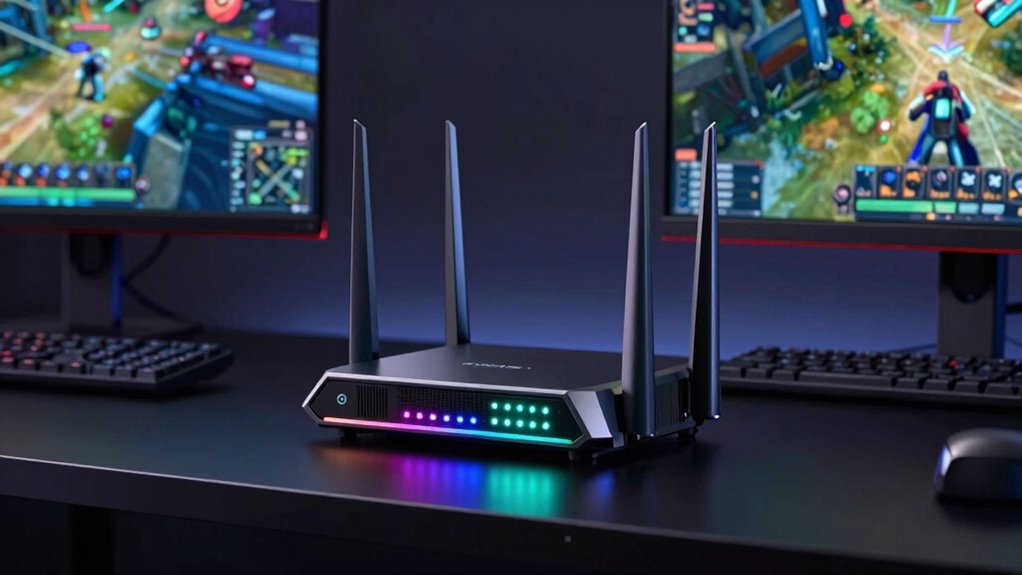



15 Best Gaming Routers Of 2026 Elevate Your Play With Speed And Top Gaming Routers 2026 Hf5ur . 9 Best Wi Fi Routers Of 2026 For Working Gaming And Streaming Ztoog Best Wifi Routers . 4 Best Wireless Routers For Gaming In 2026 Good Gaming Routers Good Gaming Routers . The Best Gaming Routers We Ve Tested For 2026 PCMag 33.fit Lim.size . Best Gaming Routers 2026 WiFi 7 WiFi 6E For Low Latency Best Gaming Routers



Top 5 Newest Wi Fi 7 Gaming Router In 2026 Reviews Buying Guide . 4 Best Wireless Routers For Gaming In 2026 Good Gaming Routers Gaming Routers . 7 Best Gaming Modems And Routers In 2026 Top Gaming Network Devices . 8 Best 5G Home Internet March 2026 Tested Reviewed 41oi0rM C2L . 7 Best Gaming Modems And Routers In 2026 Top Gaming Router Combos 1 768x432
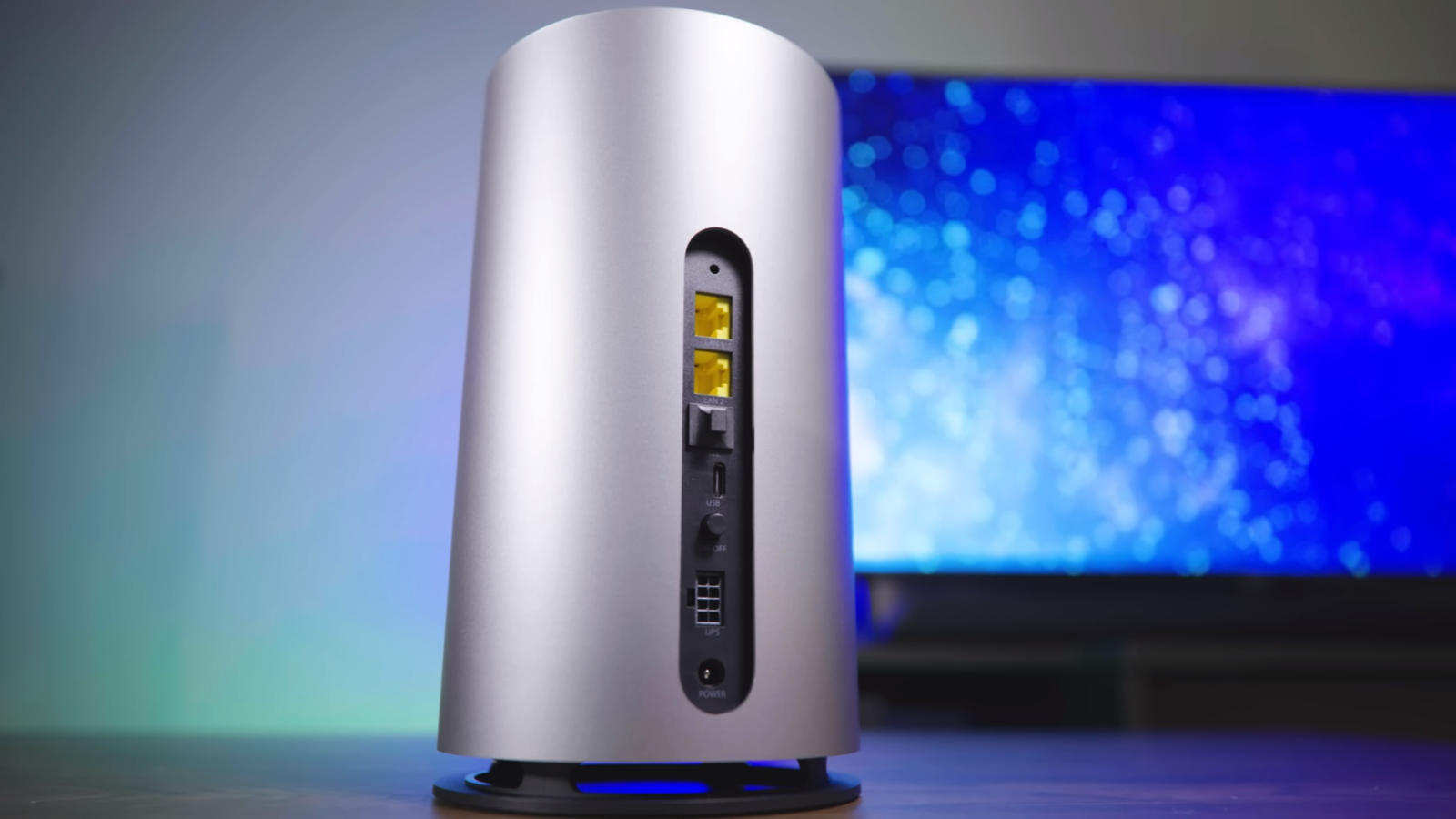

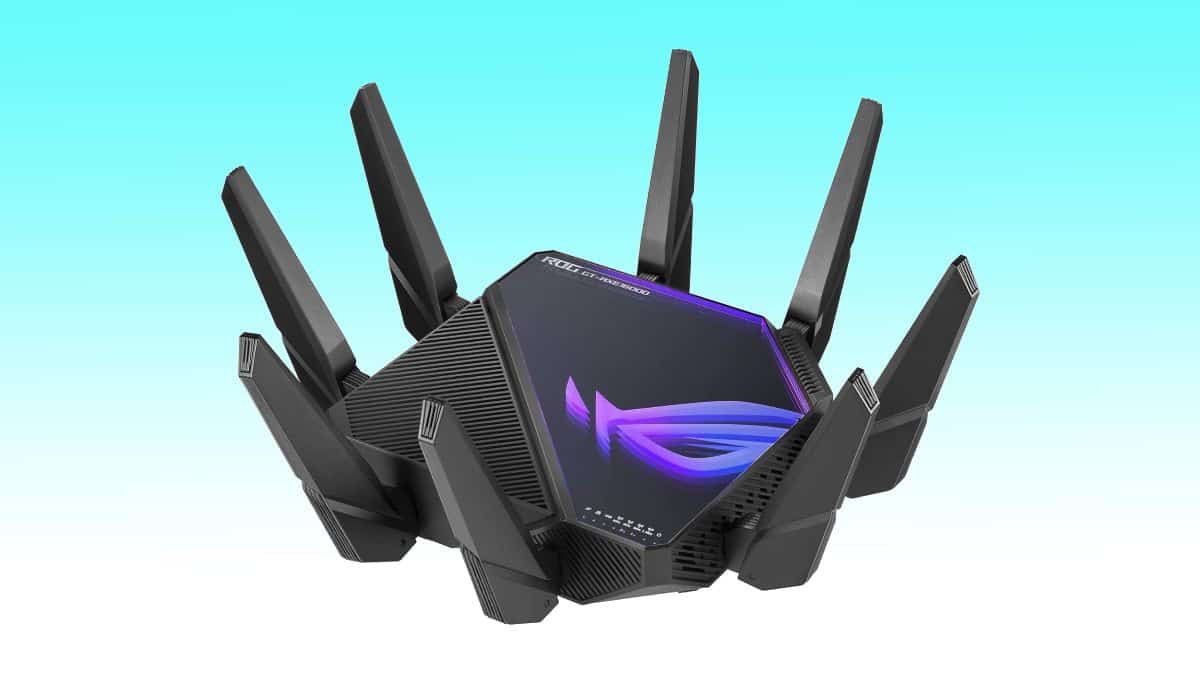

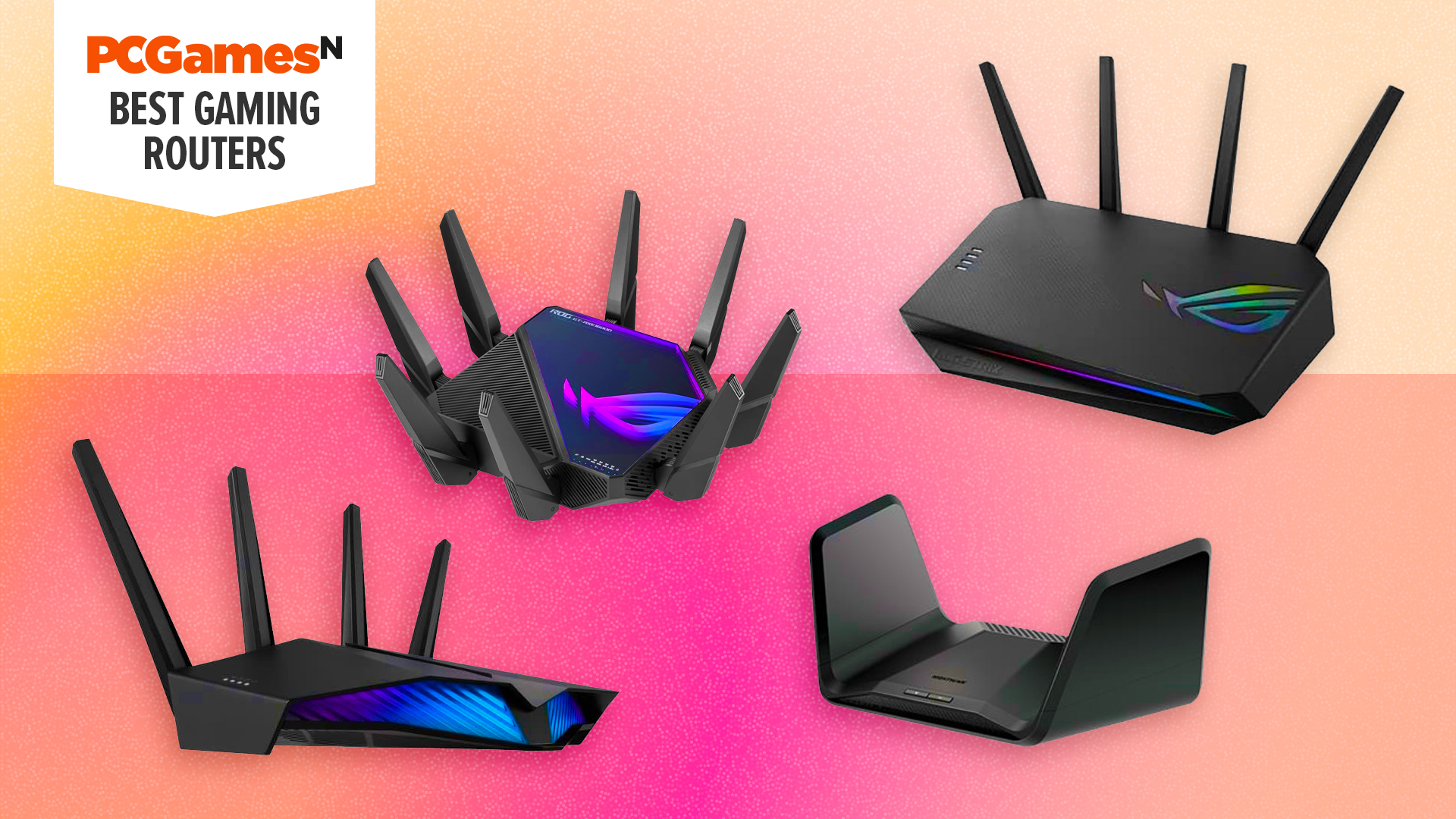
Is T Mobile Home Internet Good For Gaming GamingProfy T Mobile 5g Home Internet Speed And Performance 1600x900 . Best T Mobile Gateway Router For Gaming On PS5 T Mobile Gateways For Ps5 Gaming . Acer Predator Connect X7 5G CPE Review Future Proof WiFi 7 Gaming Best Routers For Gaming . How Reliable Is T Mobile Home Internet KnowTechie T Moble Home Internet Router .webp. Best Gaming Routers 2025 Camoas Com Best Gaming Router
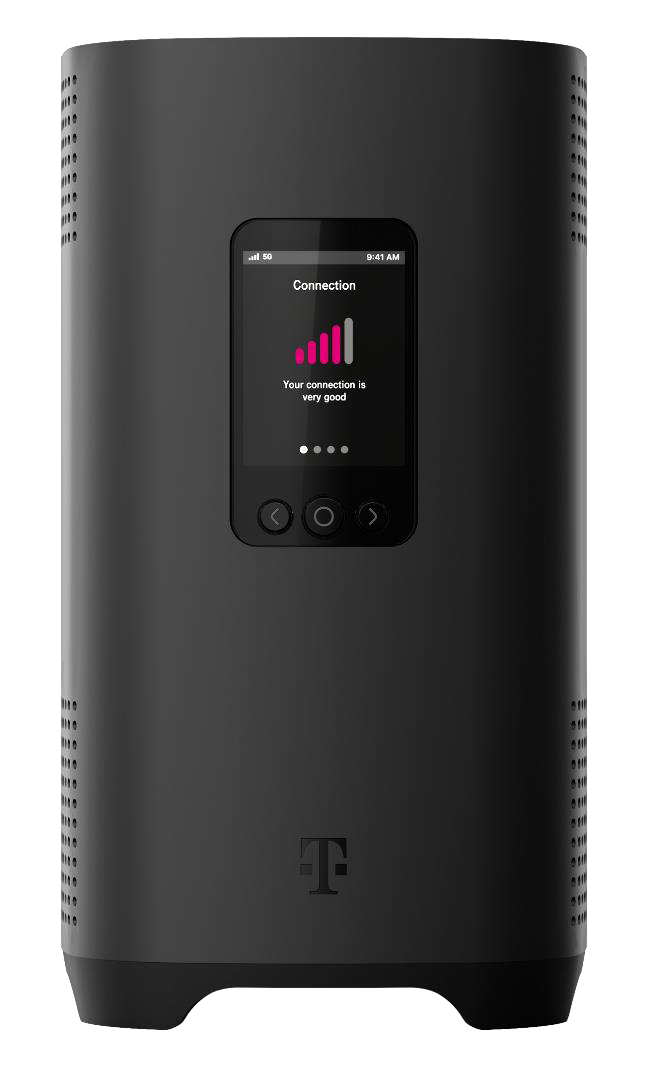
T Mobile 5G Internet Gateway Sagemcom Fast 5688W External Antenna Guide Sagemcom 5g Gateway . 13 Best WiFi 7 Routers For Gaming In 2026 Top Wifi 7 Gaming Routers Gu74n . The Best Gaming Routers In 2024 CNN Underscored Best Gaming Router Lead . Gaming Modem . How To Use Snapchat S My AI Feature PC Guide ASUS ROG Rapture GT AXE16000 Quad Band WiFi 6E Extendable Gaming Router


The Best Gaming Routers In 2024 From ROG And ASUS . T Mobile Mobile Internet VbI4o71o . Best T Mobile Gateway Router For Gaming On PS5 T Mobile 5G Home Internet Gateway As Best Gaming Gateway For Ps5 . 5 Best Routers For T Mobile Home Internet TMobile WiFi Routers. Fast Reliable 5G Home Internet In Portsmouth VA T Mobile FG Device Right Side
Mint Mobile Just Launched A Super Cheap 5G Home Internet Service But . T Mobile 5G Home Internet Review Reviews Org T Mobile Gateway Router 150x150 . Get Ahead Of The Xbox Game Pass Price Hike And Grab 6 Months Of Sub For Wi Fi 6 Router Next To Wi Fi 7 Helf In Hand . 4 Best Wireless Routers For Gaming In 2025 Good Gaming Routers . ASUS ROG Debut AI Powered WiFi 7 Gaming Router And Award Winning For Kathy2 1920 1000sam 2

Is T Mobile Home Internet Good For Gaming TechRadarto Is T Mobile Home Internet Good For Gaming.webp. Is T Mobile 5G Home Internet Down Com T Mobile Home Internet Gateway Front Scaled . The 10 Good Gaming Routers Of 2026 Researched By Us Good Gaming Routers 1681989661 1920 60 . Top 5 Best Gaming Routers For Lag Free Gameplay Best Gaming. New Internet Options For Cabin Owners Mount Lemmon Home Owners T Mobile Router 851x1282