Are you wondering how to truly maximize your notebook graphics card performance for an incredible 2026 gaming experience? Many gamers ask about improving FPS, reducing frustrating lag, and fixing those annoying stuttering issues. This comprehensive guide delves deep into optimizing your mobile GPU for a wide array of game genres, from fast-paced FPS titles and strategic MOBAs to immersive RPGs and thrilling Battle Royales. We explore essential settings optimization, the critical role of updated drivers, and practical tips to ensure smooth, responsive gameplay on your portable rig. Discover advanced tricks, learn about future-proofing your setup, and understand why proper thermal management is more crucial than ever for maintaining peak performance. This resource is designed to help every notebook gamer, from beginners to seasoned pros, unlock their hardware's full potential in today's demanding gaming landscape.
notebook graphics card FAQ 2026 - 50+ Most Asked Questions Answered (Tips, Trick, Guide, How to, Bugs, Builds, Endgame)
Welcome, fellow gamer, to the ultimate living FAQ for your notebook graphics card in 2026! We know how crucial your mobile GPU is to your gaming experience, and with new titles pushing boundaries, staying optimized is key. This comprehensive guide has been meticulously updated for the very latest hardware and software advancements, aiming to answer every burning question you might have. Whether you're battling FPS drops, seeking the perfect settings for a new build, or simply want to understand the current landscape of mobile graphics, you've come to the right place. Dive in to discover tips, tricks, guides, and fixes that will elevate your portable gaming to the next level. Let's make sure your notebook is always game-ready!
Beginner Questions & Setup
How do I know if my notebook graphics card is good enough for a game?
Check the game's minimum and recommended system requirements against your laptop's GPU model. Websites like 'Can You Run It' can automate this, providing a quick assessment of your hardware's compatibility. Ensure your drivers are current for accurate comparisons.
What is VRAM and why is it important for my laptop's GPU?
VRAM (Video Random Access Memory) is dedicated memory on your graphics card that stores graphical data, like textures and frame buffers. Sufficient VRAM is crucial for rendering high-resolution textures and complex scenes without stuttering, especially in modern games.
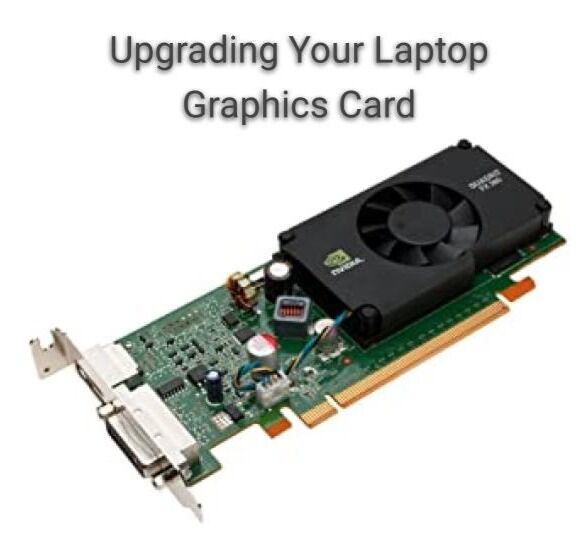
Can I upgrade the graphics card in my gaming notebook?
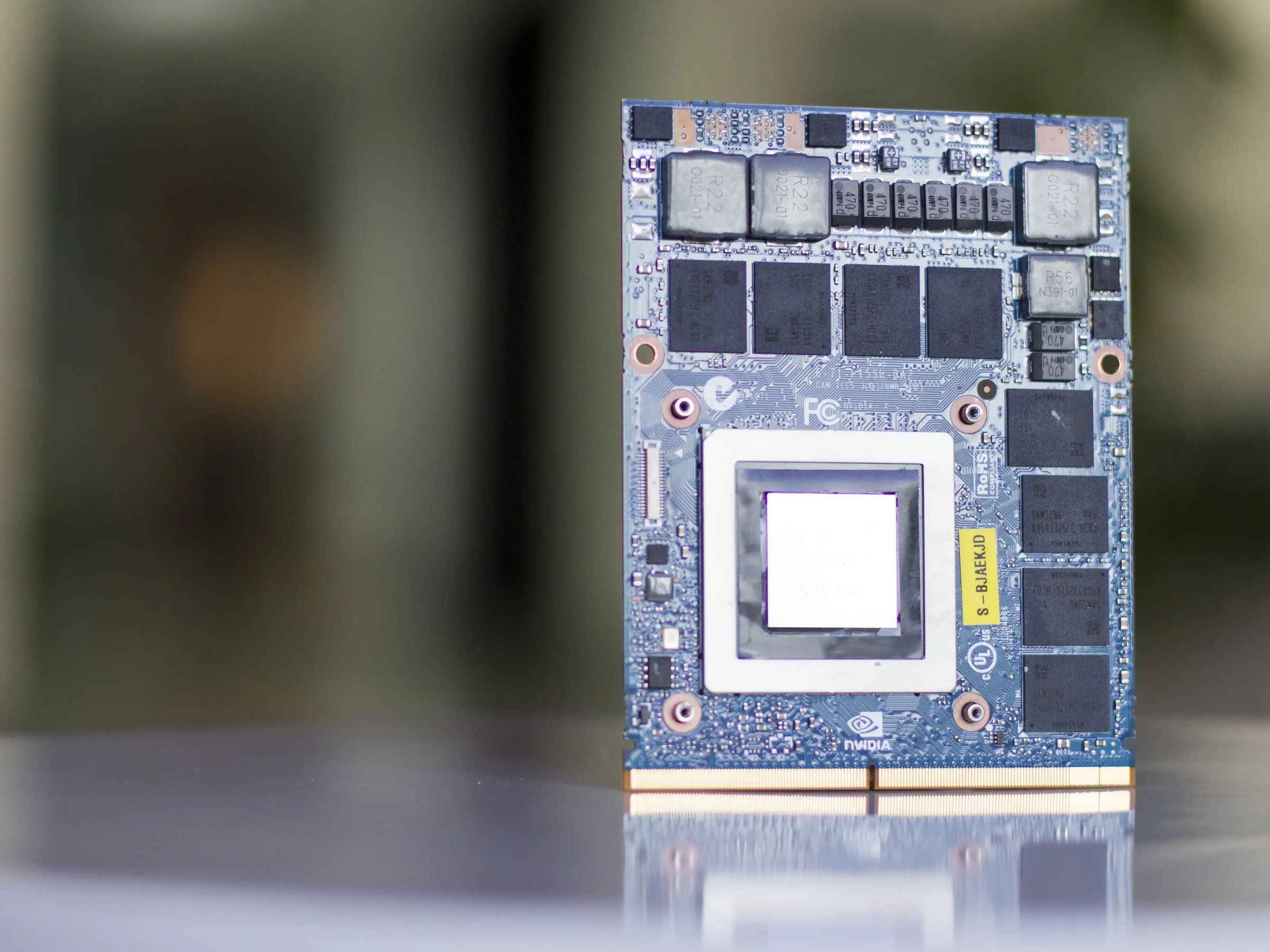
Generally, no. Most notebook graphics cards are soldered directly onto the motherboard, making them non-upgradable. Some rare, high-end models use proprietary MXM modules, but these are exceptions and often require specialized parts.
Why is my laptop showing two graphics cards in Device Manager?
Your laptop likely has both an integrated graphics processor (iGPU) built into your CPU and a dedicated notebook graphics card (dGPU). The system intelligently switches between them for power efficiency and performance needs, depending on the task.
Optimization & Performance Boosts
How can I stop my notebook graphics card from overheating during gaming?
To combat overheating, ensure your laptop's vents are clear of dust, use a laptop cooling pad, and elevate the device for better airflow. Regularly cleaning internal fans can also significantly improve thermal management. Monitor temperatures with software like HWMonitor.
What are the best in-game settings to change for higher FPS on a notebook?
Prioritize reducing shadow quality, anti-aliasing, and post-processing effects like motion blur and ambient occlusion. Lowering texture quality can help if VRAM is a bottleneck, and consider a slightly lower resolution if necessary for a significant FPS boost.
Myth vs Reality: Does closing background apps really help laptop gaming performance?
Reality: Yes, absolutely. Background applications consume valuable CPU, RAM, and even GPU resources, directly impacting your game's performance. Closing unnecessary programs frees up these resources, leading to higher, more stable frame rates and smoother gameplay.
How often should I update my notebook graphics card drivers?
It's generally recommended to check for driver updates every 1-2 months or whenever a major new game is released. GPU manufacturers frequently release optimized drivers for new titles, offering performance improvements and bug fixes.
Troubleshooting & Fixes
My games are stuttering even with high FPS. What could be the problem?
Stuttering with high FPS often indicates micro-stuttering, VRAM limitations, or CPU bottlenecks. Check for background processes, ensure your RAM is sufficient, and monitor VRAM usage. Outdated drivers or thermal throttling can also be culprits causing inconsistent frame delivery.
How do I fix lag caused by my notebook graphics card?
Fixing graphics card-related lag involves ensuring updated drivers, optimizing in-game settings for performance, and managing thermal issues. Also, check for any background applications consuming GPU resources. Consistent performance comes from balanced hardware and software.
Myth vs Reality: Will undervolting my laptop GPU improve performance?
Reality: Undervolting your laptop GPU typically improves thermal efficiency by reducing power consumption while maintaining similar clock speeds. This often leads to less thermal throttling and more consistent boost clocks, effectively boosting sustained performance rather than peak. It's a great trick for stability.
What should I do if my notebook graphics card driver keeps crashing?
If your driver keeps crashing, perform a clean reinstallation of the latest official drivers. Use DDU (Display Driver Uninstaller) in safe mode to thoroughly remove old drivers first. If issues persist, check for system stability, hardware faults, or OS corruption. This is a common bug fix for many.
Advanced Topics & 2026 Insights
What is ray tracing and can my 2026 notebook graphics card handle it well?
Ray tracing is an advanced rendering technique that simulates light more realistically. By 2026, most mid-to-high-end notebook graphics cards are expected to handle ray tracing much more efficiently, especially when paired with AI upscaling technologies like DLSS or FSR, offering playable frame rates.
Myth vs Reality: Is liquid metal thermal paste really better for notebook GPUs?
Reality: Yes, liquid metal thermal paste offers significantly superior thermal conductivity compared to traditional pastes, leading to lower temperatures and better sustained performance for notebook GPUs. However, it requires careful application due to its electrical conductivity and can void warranties.
How will AI upscaling (DLSS, FSR) impact notebook gaming in 2026?
By 2026, AI upscaling will be paramount for notebook gaming, enabling higher resolutions and graphical settings with minimal performance impact. It will allow mobile GPUs to run demanding titles at excellent frame rates, essentially making high-fidelity gaming more accessible on portable hardware. This is a key trick for future builds.
What are the benefits of an external GPU (eGPU) setup for notebooks in 2026?
In 2026, eGPUs offer a fantastic way to upgrade gaming performance without replacing the entire laptop, utilizing high-bandwidth connections like Thunderbolt 4. They provide access to powerful desktop-class graphics cards, extending a notebook's gaming lifespan and flexibility significantly, though with a slight performance overhead.
Myth vs Reality: Is dedicated VRAM always superior to integrated graphics sharing system RAM?
Reality: Yes, dedicated VRAM is almost always superior. It's much faster and specifically optimized for graphics tasks, providing significantly better performance than integrated graphics that share slower system RAM. For any serious gaming, a dedicated notebook graphics card with its own VRAM is essential for a high-quality build.
Endgame Grind & Future-Proofing
What are the key specifications for a 'future-proof' notebook graphics card in 2026?
In 2026, a future-proof notebook graphics card should feature ample VRAM (12GB+), strong ray tracing performance, and robust hardware support for advanced AI upscaling. Excellent power efficiency and a sophisticated cooling solution are also critical for sustained peak performance in demanding titles.
Myth vs Reality: Does setting my power plan to 'High Performance' drain battery but always boost GPU?
Reality: While setting your power plan to 'High Performance' can ensure your CPU and GPU operate at higher clocks, it doesn't guarantee a constant boost if thermal limits are hit. It primarily tells your system to prioritize performance over power saving, but thermal throttling or other bottlenecks can still limit overall gains, especially on battery.
Still have questions? Check out our other popular guides: 'Ultimate Laptop Cooling Guide 2026', 'Mastering In-Game Settings for Every Genre', and 'Decoding 2026 GPU Benchmarks'.
Have you ever found yourself asking, "Why is my notebook graphics card struggling with this game?" or "How can I stop these constant FPS drops and stuttering?" You are definitely not alone in these common gaming frustrations. Many players often wonder about the best ways to get smooth performance from their portable gaming machines. It is a critical concern for anyone wanting to enjoy the latest 2026 titles without constant visual interruptions. Optimizing your notebook graphics card is not just about raw power; it also involves smart software and hardware management. This guide will walk you through essential steps to unlock your laptop's true gaming potential. We will discuss everything from driver updates to in-game settings and beyond, ensuring a much better gaming experience for you.
Understanding Your Notebook Graphics Card Performance
Your notebook graphics card, or GPU, is the heart of your gaming laptop's visual prowess. It renders every frame you see on your screen, from intricate character models to expansive open worlds. Unlike desktop GPUs, mobile graphics cards operate under strict power and thermal constraints. This means their performance can often be throttled to prevent overheating and maintain system stability. Understanding these limitations is the very first step toward effective optimization. You must also consider the dynamic boost technologies that modern GPUs use. These technologies can automatically adjust clock speeds based on the available thermal headroom. Keeping your system cool is always paramount for sustaining higher frame rates during extended play sessions. Proper care ensures your components deliver consistent, reliable power.
The Impact of Drivers and Software
Graphics drivers are the essential communication bridge between your operating system and your GPU. Outdated or corrupted drivers can severely hamper performance, leading to lower FPS and various graphical glitches. Major GPU manufacturers like NVIDIA and AMD regularly release new drivers, often including optimizations for the latest game titles. Keeping these drivers updated is a simple yet incredibly impactful step in your optimization journey. Beyond drivers, background applications consume valuable system resources, impacting your game's performance significantly. Always remember to close unnecessary programs before launching your favorite games. This frees up RAM and CPU cycles for your game. Ensure your operating system itself is up to date for crucial security patches and performance improvements.
Essential In-Game Settings Optimization
Tuning your in-game settings is the most direct way to balance visual quality with frame rate. Modern games offer a dizzying array of options, making it somewhat overwhelming for many new players. Start by reducing graphically intensive settings like shadows, anti-aliasing, and complex post-processing effects. These settings often have a disproportionately large impact on FPS without drastically altering the overall visual experience. Experiment with texture quality; higher settings demand more VRAM, which can be limited on some mobile GPUs. Lowering your display resolution can provide a substantial FPS boost, especially if your notebook struggles to maintain playable frame rates. Always monitor your FPS while adjusting settings to find that perfect sweet spot. A smooth frame rate is almost always more important than ultra-high visual fidelity.
Cooling and Thermal Management for Peak Performance
Overheating is the silent killer of notebook graphics card performance. When your GPU gets too hot, it will automatically reduce its clock speed to prevent damage, a process known as thermal throttling. This throttling directly results in significant FPS drops and an inconsistent gaming experience. Investing in a good laptop cooling pad can dramatically improve airflow and lower internal temperatures. Regularly cleaning your laptop's fans and vents to remove dust buildup is also extremely important. Dust acts as an insulator, trapping heat inside your system. Consider reapplying thermal paste to your CPU and GPU every few years for older machines. This advanced maintenance step ensures optimal heat transfer to the cooling system. Keeping your notebook cool allows your graphics card to maintain its boosted clocks for longer periods.
Genre-Specific Optimization Strategies
Different game genres demand different things from your notebook graphics card. Knowing these distinctions helps you fine-tune your settings even further. For fast-paced FPS (First-Person Shooter) games, low latency and high, stable FPS are absolutely paramount. Prioritize lower graphics settings to achieve maximum frame rates and minimize input lag. In MOBAs (Multiplayer Online Battle Arena) like League of Legends or Dota 2, consistent frame rates are crucial for precise mouse clicks and spell timings. While graphics are less demanding, stability is key. RPGs (Role-Playing Games) and MMOs (Massively Multiplayer Online) often benefit from higher texture quality and draw distances for immersion. You can sometimes sacrifice some FPS for better visuals here. Battle Royale titles are a hybrid, needing both good draw distance and stable FPS during intense combat. Indie games usually have lighter requirements, allowing you to often max out settings. Strategy games can be CPU-bound, but still benefit from clear UI and smooth camera movement. Understanding these nuances helps tailor your optimization efforts effectively.
Beginner / Core Concepts
1. **Q:** What exactly is a notebook graphics card and why is it so important for gaming?
**A:** A notebook graphics card, or GPU, is essentially your laptop's visual processing unit. It's super important for gaming because it calculates and renders all the images you see on your screen, from character models to vast landscapes. Without a good one, games would look like slideshows or wouldn't run at all! I get why this confuses so many people, it's like the artist for your digital world, painting everything in real-time. It's what makes those explosions look epic and those environments feel immersive. You've got this!
2. **Q:** How do I find out what graphics card is in my notebook?
**A:** Finding your graphics card is actually quite straightforward. The easiest way is to open your Device Manager in Windows, then expand the 'Display adapters' section. You'll see your GPU listed there, usually an NVIDIA GeForce or AMD Radeon model. This one used to trip me up too, but it's a quick check. Knowing your specific model helps you find the right drivers and understand its capabilities. It's like knowing what engine is in your car before you try to race it! Try this tomorrow and let me know how it goes.
3. **Q:** Why do some games run slowly on my gaming laptop even though it's new?
**A:** Sometimes new gaming laptops still struggle with games due to several factors. It could be outdated drivers, background apps hogging resources, or even thermal throttling if your laptop is getting too hot. Games are also constantly getting more demanding, so even recent hardware can be pushed to its limits. Think of it like this: a new sports car needs the right fuel and maintenance to perform. It's rarely just one thing, but a combination. Check those drivers first; they're usually the low-hanging fruit for easy fixes. You've got this!
4. **Q:** What is FPS and why is it important for gaming?
**A:** FPS stands for Frames Per Second, and it's essentially how many individual images your graphics card can display on your screen every second. It's crucial for gaming because a higher FPS means smoother, more responsive gameplay. Low FPS makes games feel choppy and can negatively impact your reaction time, especially in competitive titles. Imagine watching a flipbook; more pages per second make the animation smoother. We're always aiming for that buttery smooth 60+ FPS, it just feels so much better. You'll definitely notice the difference. You've got this!
Intermediate / Practical & Production
5. **Q:** How can I update my notebook graphics card drivers safely and effectively?
**A:** Updating your graphics drivers safely involves downloading them directly from the official NVIDIA or AMD website. Avoid third-party sites to prevent malware. Once downloaded, run the installer, usually choosing a 'Clean Installation' option to remove old driver files, which helps prevent conflicts. It's like a fresh coat of paint for your GPU software, ensuring everything works perfectly. Sometimes, a direct update can cause minor issues, so always have a system restore point just in case. Don't worry, it's usually a smooth process that gives you significant performance boosts. You've got this!
6. **Q:** What's the best way to optimize in-game settings for a balance between visuals and performance?
**A:** The best way to balance visuals and performance is through methodical experimentation. Start with medium settings for most options, then test your FPS. Incrementally raise or lower settings like shadows, anti-aliasing, and post-processing effects, observing how each change impacts your frame rate. It's like finding the perfect recipe; small adjustments make a big difference. Prioritize settings that significantly affect gameplay, like draw distance or texture quality, only if your FPS remains high. Aim for consistent frame rates rather than visual spikes. This patient approach pays off hugely in the long run. You've got this!
7. **Q:** My laptop gets really hot when gaming. How can I improve its cooling?
**A:** Laptop overheating is a common challenge, and improving cooling involves several steps. First, ensure your laptop's vents are clean and unobstructed; dust buildup is a major culprit. Using a good quality laptop cooling pad with active fans can significantly lower temperatures by increasing airflow underneath. Elevating your laptop slightly can also help natural air circulation. It's like giving your laptop some breathing room. For more advanced users, reapplying high-quality thermal paste to the CPU and GPU can make a substantial difference. Keeping it cool means less thermal throttling and more consistent performance. You've got this!
8. **Q:** What's thermal throttling and how does it affect my notebook graphics card?
**A:** Thermal throttling is when your graphics card automatically reduces its performance (clock speed) to prevent damage from overheating. It's a safety mechanism, but it directly leads to sudden and frustrating FPS drops and inconsistent gameplay. Imagine your car's engine slowing down when it gets too hot to prevent a breakdown. This process ensures your components don't cook themselves. Keeping your laptop cool is key to avoiding throttling and enjoying stable, high frame rates. Understanding this helps you diagnose performance dips. You've got this!
9. **Q:** Are external GPUs (eGPUs) a viable option for boosting notebook gaming?
**A:** External GPUs (eGPUs) are definitely a viable and increasingly popular option for boosting notebook gaming, especially for laptops with Thunderbolt 3 or 4 ports. They allow you to connect a full-sized desktop graphics card to your laptop, offering a significant performance upgrade. However, there's usually a slight performance hit compared to a desktop setup due to the bandwidth limitations of Thunderbolt. It's a fantastic way to extend the gaming life of your laptop without buying a whole new machine. The cost can be a barrier, but the flexibility is amazing. You've got this!
10. **Q:** How important is RAM for notebook graphics card performance, and should I upgrade it?
**A:** RAM is quite important for overall system performance, including how well your graphics card can do its job. While the GPU has its own dedicated VRAM, the system RAM helps feed data to the CPU and GPU efficiently. If you have too little RAM (like 8GB or less for modern gaming), it can create a bottleneck, causing stuttering and slower load times. Upgrading to 16GB or even 32GB (especially for multitasking or demanding games) can definitely improve smoothness and responsiveness. It's like having a bigger highway for data to travel on. You'll feel the difference if your current RAM is a bottleneck. You've got this!
Advanced / Research & Frontier 2026
11. **Q:** How will AI upscaling technologies like DLSS and FSR evolve by 2026 for notebooks?
**A:** By 2026, AI upscaling technologies like NVIDIA's DLSS and AMD's FSR are expected to become even more sophisticated and ubiquitous, especially for notebooks. We'll likely see higher image quality with even less performance overhead, potentially reaching near-native resolutions without noticeable artifacts. Future iterations might incorporate more advanced machine learning models, trained on even larger datasets, for incredibly sharp and stable images. Imagine games rendering at 1080p but looking indistinguishable from 4K, all while running smoothly on mobile hardware. We're talking about a significant leap in efficiency, making high-fidelity gaming more accessible on thinner, lighter laptops. This tech is a game-changer for mobile performance, truly frontier stuff!
12. **Q:** What new cooling technologies are expected to make their way into gaming notebooks by 2026?
**A:** By 2026, we're anticipating some exciting advancements in notebook cooling technology. Vapor chambers will become more common, even in mid-range laptops, offering vastly improved heat dissipation compared to traditional heat pipes. We might also see more widespread adoption of liquid metal thermal compounds applied at the factory, enhancing heat transfer significantly. Beyond that, research is progressing on solid-state cooling solutions and even micro-fluidic channels, though those might be further out for mainstream adoption. The focus is on getting more heat out of smaller spaces efficiently, so thinner, more powerful gaming machines are feasible. This is where materials science meets gaming performance, truly a cool frontier (pun intended)!
13. **Q:** How will next-gen mobile GPU architectures (e.g., beyond Ada Lovelace or RDNA3) impact notebook performance by 2026?
**A:** Next-gen mobile GPU architectures beyond current generations are set to bring monumental shifts by 2026. We're looking at significant improvements in raw computational power, with increased core counts and higher clock speeds, but also drastic gains in power efficiency. Expect more specialized AI accelerators directly on the chip, making AI upscaling and other AI-driven features even faster and more integrated. Ray tracing performance will become much more accessible and performant on mobile platforms, potentially even hitting playable frame rates natively at higher resolutions. These advancements will close the gap between desktop and mobile gaming performance substantially, allowing incredibly detailed and graphically demanding games to run smoothly on portable devices. It's an exciting time for mobile gaming!
14. **Q:** What role will cloud gaming and streaming services play in relation to notebook graphics cards by 2026?
**A:** By 2026, cloud gaming and streaming services are expected to play an increasingly significant role, but they won't entirely replace the need for powerful notebook graphics cards. For casual gamers or those on lower-end laptops, cloud gaming offers a fantastic way to access high-fidelity titles without local hardware limitations. However, dedicated gaming notebooks will still appeal to competitive players and those who demand the absolute lowest latency and highest control over their experience. We'll likely see a hybrid approach, where cloud gaming complements local hardware, allowing gamers to switch between local and streamed play seamlessly. It's about choice and accessibility; the notebook GPU will remain crucial for those who prioritize ownership and maximum performance. The ecosystem is diversifying, which is great for everyone!
15. **Q:** What are the key considerations for a notebook graphics card to be considered 'future-proof' in 2026?
**A:** In 2026, a 'future-proof' notebook graphics card will need several key characteristics. Firstly, ample VRAM (at least 12GB, ideally 16GB or more) will be crucial for high-resolution textures and complex scenes. Secondly, strong performance in ray tracing and path tracing will be essential as these technologies become standard in new titles. Thirdly, excellent hardware support for advanced AI upscaling techniques (like DLSS/FSR) is non-negotiable for extending longevity. Finally, efficient power consumption and robust cooling solutions will allow sustained peak performance, preventing premature throttling. It's less about raw numbers and more about architectural efficiency and feature set. Aim for that sweet spot of VRAM, RT cores, and efficient architecture for the best long-term value. You've got this!
Quick 2026 Human-Friendly Cheat-Sheet for This Topic
- Always keep your graphics drivers updated; it's the easiest performance boost you'll find.
- Clean your laptop's fans and vents regularly to prevent overheating and FPS drops.
- Prioritize frame rate over ultra-high graphics settings in competitive games.
- Consider a laptop cooling pad if your system often runs hot during gaming sessions.
- Experiment with in-game settings yourself; every game and system is slightly different.
- Don't forget to close background applications before you start gaming; they steal resources.
- Keep an eye on VRAM usage, especially for high-resolution textures in modern games.
Optimizing notebook graphics for FPS, fixing lag and stutter, driver updates, in-game settings, cooling solutions, 2026 gaming trends, genre-specific tweaks for FPS MOBA RPG Battle Royale Indie MMO Strategy games.
35

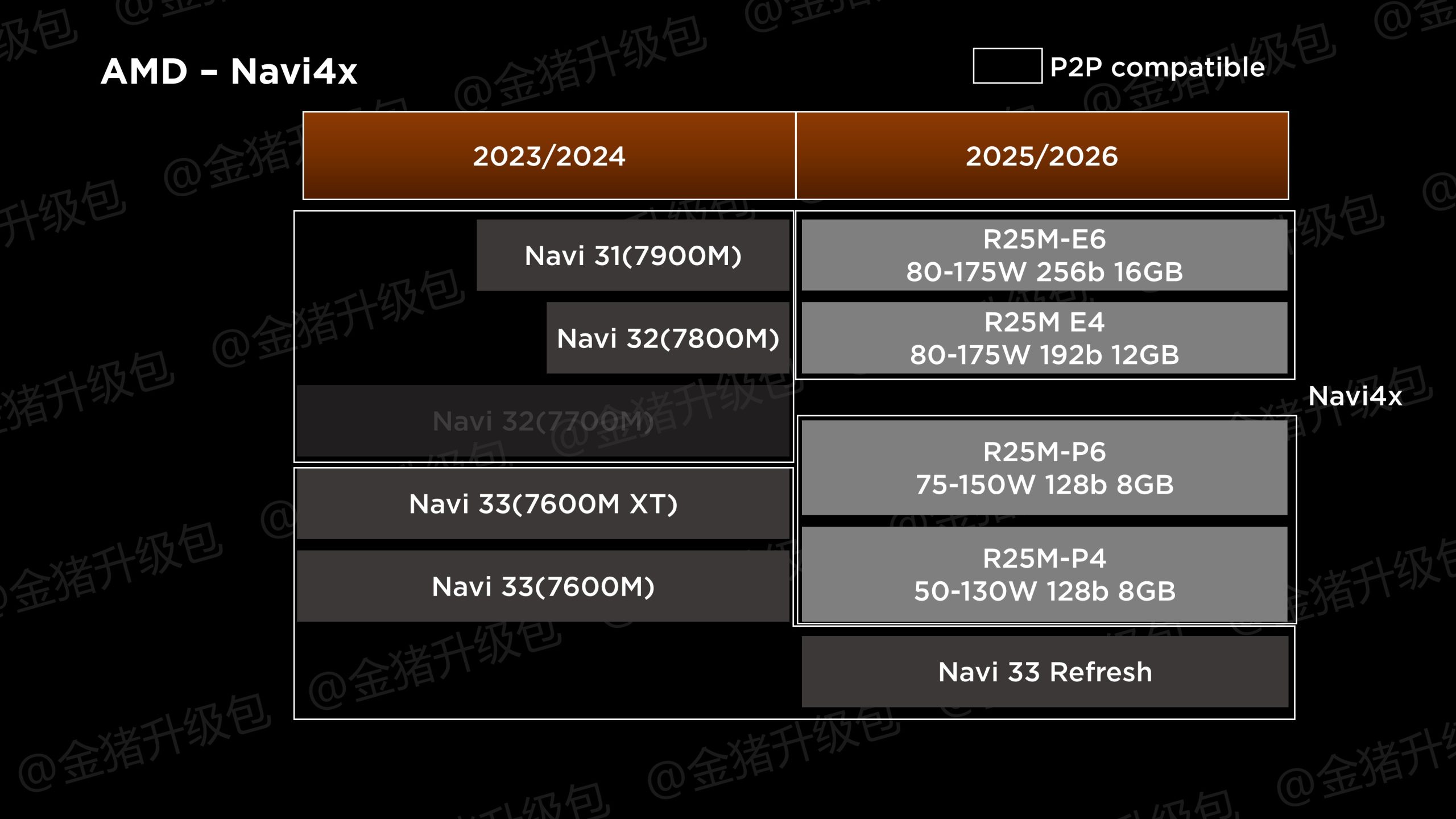
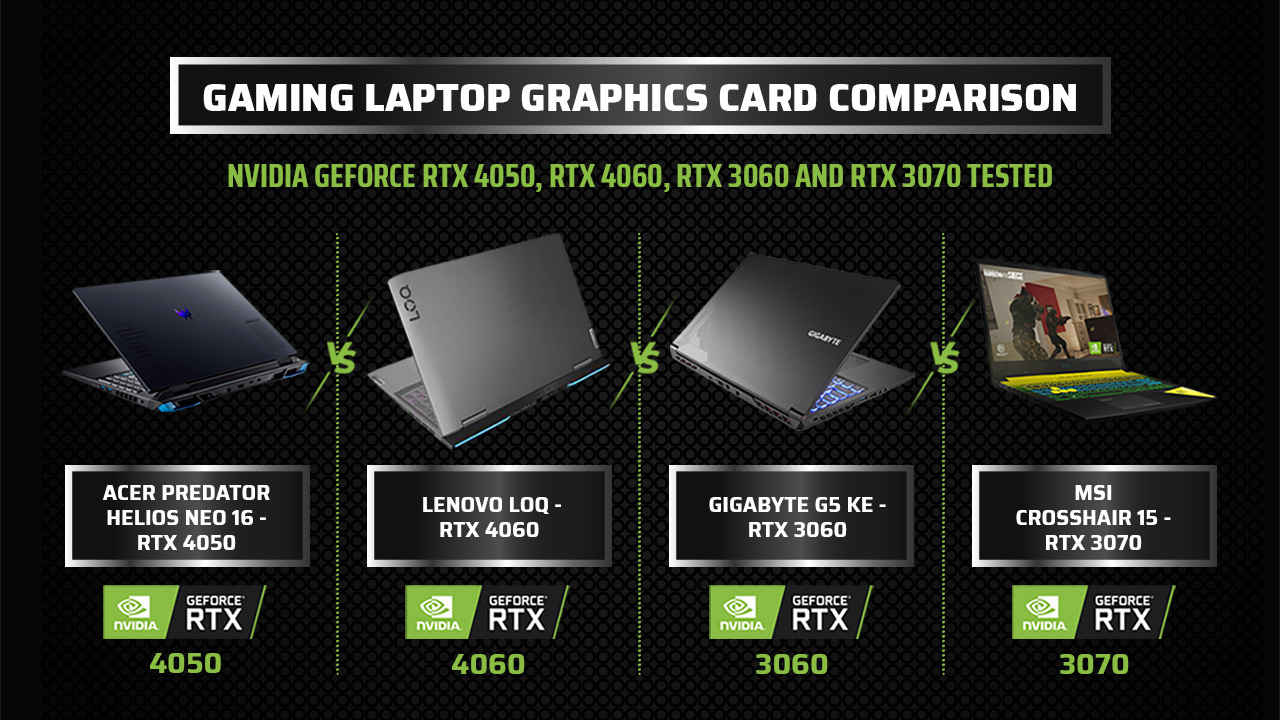

10 Best Laptops With High End Graphics Cards For February 2026 Best Laptops With High End Graphics Cards . G SYNC Pulsar Explained 1000Hz Motion Clarity Without Flicker New Year Graphics Card Deals 2026 Discounts On NVIDIA AMD ASUS More . Leak Claims To Show 2025 2026 AMD Roadmap For Mobile And Laptop KitGuru 1 Scaled . Laptop Graphics Card Laptop Gpu D38a4c0815 . Best Laptop Graphics Cards 2026 2026 Ultimate GPU Buying Guide Best Graphics Cards GPUs In Laptop
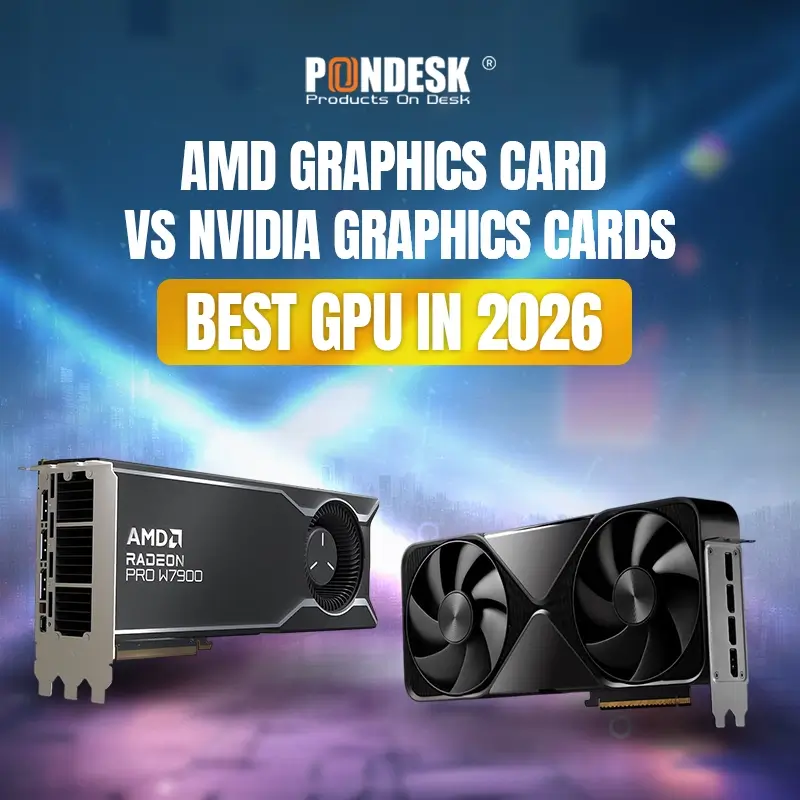
How To Find Out What Graphics Card You Have On Your PC Or Laptop In 2026 1767789256 AMD Graphics Card Vs Nvidia Graphics Card. Which GPU Is Best In 2026.webp. Best Graphics Card For Laptops In 2025 The Mobile GPUs I D Want In My 1920 80 . Best Graphics Card For Laptops In 2025 The Mobile GPUs I D Want In My . Nvidia RTX 5050 To 5090 Laptop GPUs Spotted Suggesting Next Gen 1200 80 . Best Graphics Card For Laptops In 2025 The Mobile GPUs I D Want In My

GeForce RTX 50 Series Graphics Cards For Gaming Laptop NVIDIA Geforce Rtx 50 Series Laptops Learn Og 1200x630@2x . How To Connect Graphics Card To Laptop Robots Net How To Change Gaming Laptop Graphics Card 1701885051 . Best Graphics Cards To Buy In January 2026 Prices Picks And Buying Intel Arc B580 . Store Home Products Feedback 2023 Gaming Laptop NVIDIA Geforce MX550 GDDR6 4GB Graphics Card Notebook 16 0 Inch Intel I7 .webp. NVIDIA GeForce RTX 5080 Laptop Vs NVIDIA GeForce RTX 3050 4GB Laptop Rtx 5090 Laptop Gpu
How To Install An External Graphics Card For A Laptop Robots Net 10 Amazing Laptop With Graphics Card For 2023 1699162629 . Info Ultimate Graphics Card Comparison Guide 2025 NVIDIA AMD Proxy.php. 10 Best Laptops With High Performance Graphics Cards For Gamers And Latest Asus Zenbook Model 9 . Best Graphics Card For Laptops In 2025 The Mobile GPUs I D Want In My 1200 80 . Best Graphics Card 2026 Top GPUs For Gaming AI Value Best Graphics Card 2026

Dell Laptop With Good Graphics Card Upgrade A Laptop Graphics Card . Best Laptop Graphics Cards From Nvidia And AMD In 2018 Laptop Graphics Card . NVIDIA S Next Gen GeForce RTX 50 Series Laptop GPUs Launching In 2025 98708 31 Nvidias Next Gen Geforce Rtx 50 Series Laptop Gpus Launching In 2025 16gb 12gb 8gb Gddr7 . The 10 Best Graphics Cards GPUs For Laptops In 2026 Power Up Your Powerful Gaming Graphics Card 671 . Best Graphics Card For Laptops In 2025 The Mobile GPUs I D Want In My



How To Switch To Onboard Graphics Card Robots Net What Is Laptop Graphics Card 1698675414 . Graphics Card Rankings Hierarchy 2020 Tech Centurion Graphics Card Ranking List . AMD S Beastly Strix Halo Ryzen AI Max Debuts With Radical New Memory . Creative Concept Year 2026 Stock Vector Images Alamy Happy New Year 2026 Greeting Card Concept In Minimalist Style Colorful Elements 3d Cut Paper Graphic Design Cover Template Fiscal Year 2026 Sign 2ST7WFT . Chinese New Year 2026 Year Of The Horse Zodiac Greeting Cards Lunar Chinese New Year 2026 Year Of The Horse Zodiac Greeting Cards Lunar New Year Greeting Card Banner Poster Social Media Post Notebook Cover Brochure Design Design For Banner Cover Or Flyer Vector


This New Modular Nvidia GeForce RTX Gaming Laptop Could Make GPU Nvidia Geforce Laptop Graphics Card 580x334 . Top 6 Gaming GPUs For 2025 Best Graphic Cards TechEngage Word Image 3 768x723 . Laptop Graphics Card Information Guide And FAQs Laptop Graphics Card . Graphics Cards Laptop At Scott Cahill Blog NVIDIA GeForce RTX 4090 Laptop GPU HBU 2048x1152 . Best Laptop Graphics Cards 2026 Hardware Guide Mejores Tarjetas Graficas Para Portatiles