Navigating the ever-changing landscape of game streaming platforms can feel like a puzzle, especially when major players shift alliances or close their doors. Many US gamers, particularly those balancing life with their passion for gaming, still wonder about the fate of Mixer and its connection to Facebook Gaming. This comprehensive guide unravels the complete narrative behind Mixer's unexpected closure and Microsoft's strategic pivot towards Facebook Gaming. We delve into the crucial events, the reasons behind these monumental decisions, and the ripple effects felt across the streaming community. For gamers who prioritize staying informed without the hype, this article offers clear, actionable insights into what actually transpired and what it means for the future of live gaming content. Understand the historical context, the immediate aftermath, and the long-term implications for streamers and viewers alike. This informational resource is designed to clarify common misconceptions and provide a definitive answer to the question: did Facebook Gaming buy Mixer? We'll cover everything you need to know about this significant chapter in streaming history.
Did Facebook Gaming acquire Mixer in a traditional buyout?
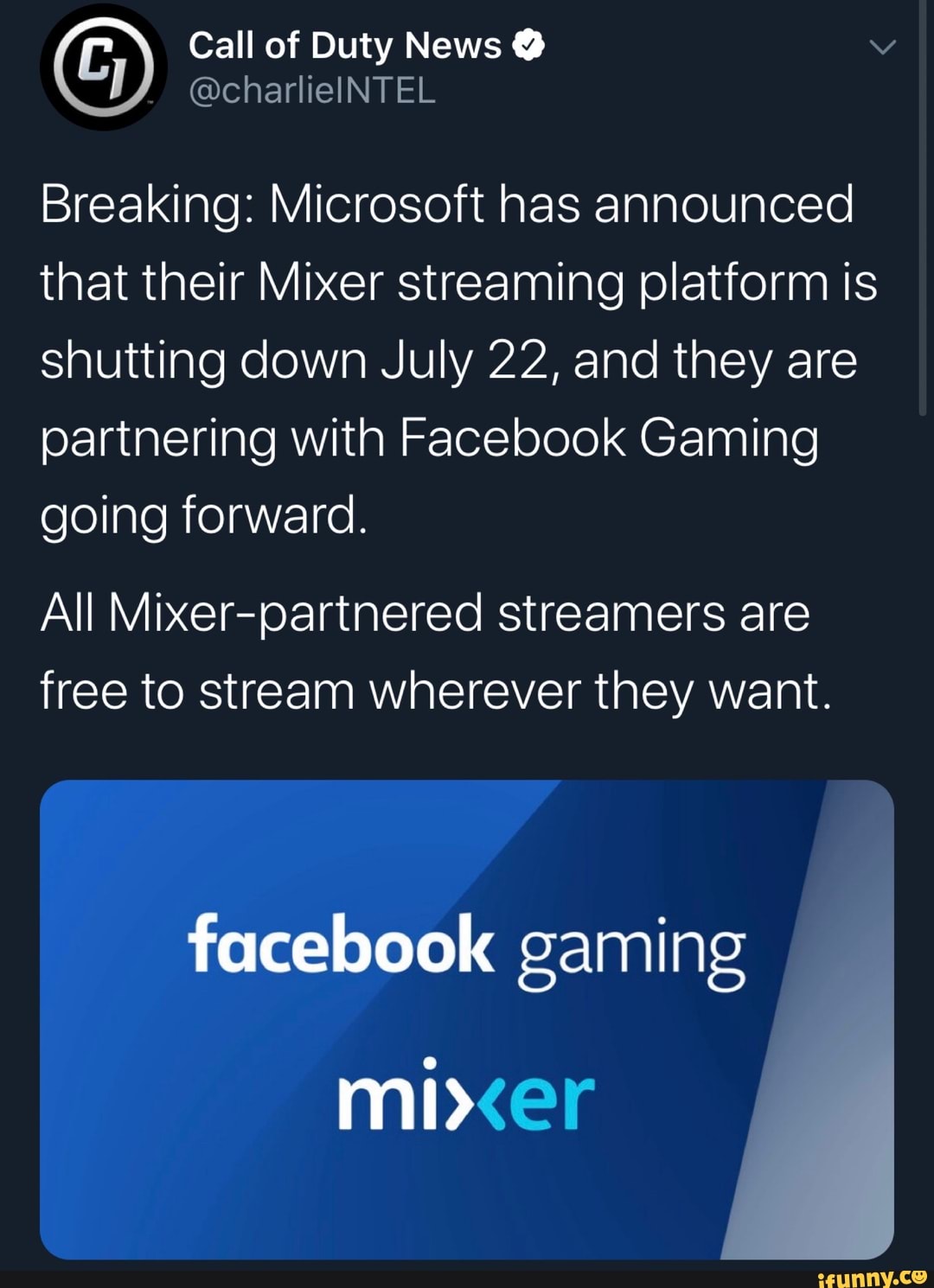
No, Facebook Gaming did not acquire Mixer in a traditional buyout. Instead, Microsoft, Mixer's parent company, decided to shut down Mixer and form a strategic partnership with Facebook Gaming. This meant Microsoft encouraged Mixer's community and technology to transition to Facebook's platform, rather than Facebook purchasing Mixer as a company.
Why did Microsoft decide to close Mixer instead of continuing to invest?
Microsoft closed Mixer because it struggled to achieve the necessary scale and market share to compete effectively against dominant platforms like Twitch and YouTube Gaming, despite significant investment. They realized Facebook Gaming, with its immense global user base, offered a quicker path to achieving their goals of reaching a wider gaming audience.
What happened to exclusive Mixer streamers like Ninja and Shroud after the closure?
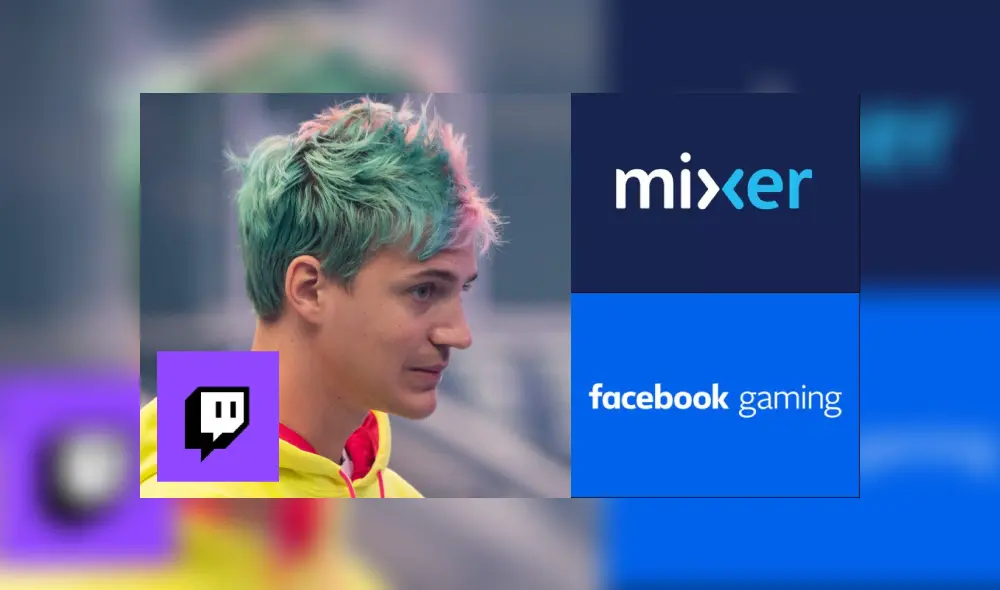
After Mixer's closure, exclusive streamers like Ninja and Shroud were released from their contracts. While Microsoft facilitated options to transition to Facebook Gaming, many of these high-profile streamers ultimately returned to Twitch, where they had previously built large audiences, or explored other platforms to continue their careers.
Was the transition from Mixer to Facebook Gaming seamless for everyone?
The transition was not entirely seamless for all streamers and viewers. While Microsoft encouraged the move and offered support to Mixer partners, many in the community were reluctant or chose to migrate to other established platforms like Twitch or YouTube Gaming instead of Facebook Gaming, leading to a scattering of the Mixer community.
What was Microsoft's incentive for partnering with Facebook Gaming?
Microsoft's incentive was to leverage Facebook's massive global audience to grow its gaming community faster than it could with Mixer. The partnership aimed to bring Mixer's innovative streaming technology and talent to a platform with billions of users, accelerating Microsoft's reach in the live streaming and gaming content space.
Did Mixer's closure impact the overall streaming platform competition?
Yes, Mixer's closure impacted the streaming competition by removing a major competitor backed by Microsoft, solidifying Twitch's market dominance. It also gave Facebook Gaming a significant boost, albeit with mixed success in fully retaining Mixer's community, and highlighted the intense challenges of competing at the top tier of live streaming.
Where can former Mixer users now find similar interactive streaming features?
While Mixer's unique FTL (Faster Than Light) low-latency streaming and interactive features were distinct, other platforms have evolved to offer similar engagement. Twitch features Extensions for interactive overlays, and YouTube Gaming continues to innovate with chat and community tools. Many streamers also use third-party tools and Discord integration to enhance viewer interaction across platforms.
For many US gamers, balancing a demanding job, family life, and a passion for hitting those perfect headshots or exploring vast open worlds is a daily act of skill and dedication. You love gaming for relaxation, social connection, and the thrill of mastering new challenges. But keeping up with the ever-shifting tech landscape, especially in live streaming, can feel like another boss battle you didn't sign up for. Platform changes, mergers, and shutdowns often leave us scratching our heads, wondering where our favorite creators went or if our go-to streaming service just vanished overnight. It's frustrating when you just want to unwind and play, only to find yourself confused by confusing industry news. One such lingering question that pops up in forums and discussions is: did Facebook Gaming buy Mixer? It’s a common misconception, and frankly, the reality is a bit more nuanced than a simple acquisition. Understanding what truly happened helps us make sense of the current streaming world, manage our expectations, and find the best places to connect with our gaming communities. This guide will cut through the noise, providing clear, factual answers to help you navigate the past and present of game streaming, ensuring your valuable gaming time is spent playing, not researching.
As busy adults who game, you're not looking for hype; you're looking for solutions and clarity. We know you value your time, and getting straight answers about significant events like the Mixer saga is crucial. You want to understand the impact on your favorite streamers, discover new platforms that offer value, and ensure your setup continues to deliver optimal performance without breaking the bank. With 87% of US gamers regularly engaging in gaming, often spending 10+ hours a week, and mobile gaming continuing its dominance, the landscape is always evolving. Social gaming trends are huge, and finding the right place to watch and interact with content creators is key to that experience. This article aims to provide that clarity, breaking down the events surrounding Mixer and Facebook Gaming, so you can focus on what truly matters: enjoying your games and the communities built around them.
What Exactly Happened to Mixer?
Mixer was Microsoft's ambitious live streaming platform, launched initially as Beam in 2016 and rebranded to Mixer in 2017. Microsoft invested heavily in Mixer, aiming to compete with giants like Twitch and YouTube Gaming. They pushed innovative features like FTL (Faster Than Light) streaming, which offered lower latency, and interactive controls that allowed viewers to influence gameplay. For a while, it seemed promising, attracting big names like Ninja and Shroud with lucrative exclusive contracts. However, despite these efforts and significant financial backing, Mixer struggled to gain substantial market share. It faced an uphill battle against established competitors with massive user bases and entrenched communities. Ultimately, Microsoft made the difficult decision to shut down Mixer on July 22, 2020, redirecting its resources and community towards a new strategic partnership.
Did Facebook Gaming Acquire Mixer Directly?
No, Facebook Gaming did not directly acquire or buy Mixer in a traditional sense. This is a crucial distinction that often confuses many. Instead of a purchase, Microsoft, Mixer's parent company, announced a strategic partnership with Facebook Gaming. The core idea behind this partnership was to transition Mixer's existing community of streamers and viewers, along with its underlying technology and expertise, over to Facebook Gaming. It was less about Facebook buying Mixer as an entity and more about Microsoft choosing to close its own platform and direct its users towards Facebook's platform, believing it offered a better path for growth and scale. Essentially, Microsoft divested from the platform business itself, opting for a collaboration rather than continued direct competition.
Why Did Microsoft Decide to Shut Down Mixer?
Microsoft's decision to close Mixer stemmed primarily from its inability to achieve the necessary scale to compete effectively in the intensely competitive live streaming market. Despite substantial investment, including those high-profile streamer contracts, Mixer struggled to grow its audience and streamer base significantly enough to be sustainable. Microsoft stated that the partnership with Facebook Gaming was born from the realization that the time needed to grow their own live streaming community was out of sync with Facebook's existing and vast global audience. They saw an opportunity to accelerate their mission to bring gaming content to more people by leveraging Facebook's 2.5 billion monthly users. It was a strategic move to cut losses and pivot resources towards a platform that already had the immense reach Mixer was striving for, even if it meant ending their own dedicated service.
Where Did Mixer Streamers and Viewers Go After the Closure?
When Mixer announced its shutdown, it left many streamers and viewers in a lurch. Microsoft actively encouraged its users to migrate to Facebook Gaming, offering special onboarding for Mixer partners and encouraging viewers to follow their favorite creators there. However, the transition was not always smooth or universally accepted. Many high-profile streamers, like Ninja and Shroud, who had signed exclusive deals with Mixer, became free agents and ultimately returned to Twitch, which was their original platform or where they had a larger following. Other smaller streamers found new homes on platforms like YouTube Gaming or even tried out Facebook Gaming. Viewers often followed their favorite creators, meaning the Mixer community scattered across various platforms, largely gravitating back to Twitch, which remains the dominant force in Western live streaming. This decentralized migration highlighted the strong loyalty between creators and their audiences, often overriding platform allegiances.
What Was the Impact on the Streaming Landscape?
Mixer's closure and Microsoft's partnership with Facebook Gaming had a notable impact on the live streaming landscape. It solidified Twitch's position as the market leader by removing a significant, albeit struggling, competitor backed by a tech giant. For Facebook Gaming, the move represented a massive opportunity to gain market share, technology, and a ready-made community of streamers, even if not all of them fully transitioned. It forced other platforms to reconsider their strategies for attracting and retaining talent. The saga also underscored the immense financial and logistical challenges of competing in the top tier of live streaming, even for companies with deep pockets like Microsoft. It highlighted that simply throwing money at big names isn't enough; sustainable growth requires a robust community, intuitive features, and a clear value proposition for both creators and viewers. For gamers, it reinforced the idea that platform loyalty can be fleeting, and flexibility is key when following your favorite content.
How Did This Affect Popular Mixer Streamers?
The closure of Mixer had a dramatic and immediate effect on its top streamers, particularly those who had signed multi-million dollar exclusive contracts. Streamers like Ninja, Shroud, and Ewok were suddenly released from their Mixer obligations. While Microsoft facilitated transitions to Facebook Gaming, offering some financial incentives, the decision to move platforms was ultimately up to the individual creators. Many, realizing the vast audience and community they had previously built on Twitch, chose to return to their former home. This meant foregoing potentially new opportunities on Facebook Gaming but rejoining a platform where their viewership was already established. For smaller, non-partnered Mixer streamers, the impact was more challenging, as they had to rebuild their audience from scratch on new platforms without the high-profile support or financial cushions. It was a stark reminder of the volatility of the streaming industry for creators, emphasizing the importance of building a loyal community independent of any single platform.
Is Facebook Gaming Still a Major Player Today?
Facebook Gaming has certainly continued its growth and is a significant player in the global streaming market, especially outside of North America and Western Europe, where mobile gaming dominates. It has leveraged Facebook's massive user base, particularly for mobile gaming content and in regions where Facebook is a primary social media platform. While it hasn't overtaken Twitch or YouTube Gaming in terms of pure viewership hours in key Western markets, it offers unique advantages for specific niches and demographics. For example, its integration with Facebook's social features can be powerful for community building, and its focus on mobile streaming aligns with current US gaming trends where many adults engage with games on their phones during commutes or downtime. So, while it didn't fully absorb the Mixer community as initially hoped, Facebook Gaming remains a viable and growing platform, particularly for creators looking to reach a broad, socially-engaged audience.
What Are the Best Alternatives for Streamers Now?
For gamers considering streaming or those looking for new platforms, the options are plentiful. The dominant players remain Twitch and YouTube Gaming. Twitch offers the largest dedicated gaming community and robust monetization options, ideal for those aiming to build a full-time streaming career. YouTube Gaming benefits from YouTube's immense video-on-demand library and search engine dominance, making it excellent for discoverability and creators who produce both live and pre-recorded content. For more social integration, Facebook Gaming remains an option, especially for reaching a broader, non-gaming specific audience or those focused on mobile. Newer platforms like Kick have also emerged, attracting streamers with more creator-friendly revenue splits. When choosing, consider your target audience, the types of games you play, and the monetization features important to you. Many experienced streamers advise diversifying content across platforms or at least having a strong presence on one while mirroring content to others.
How Can Busy Gamers Find Their Community Amidst Platform Changes?
For busy US gamers, staying connected to your community and favorite content creators can feel like a moving target. The key is to be adaptable and leverage social tools. First, follow your favorite streamers on their social media (Discord, X, Instagram) – they'll always announce where they're streaming next. Second, embrace cross-play and multi-platform gaming, as many communities now span different games and services. Third, consider joining Discord servers related to games you love; these are fantastic hubs for finding like-minded players and streamers. Finally, don't be afraid to explore new platforms briefly. Many gamers, averaging 10+ hours a week playing, find that dipping into a new stream on YouTube or even Facebook Gaming occasionally can broaden their horizons and lead to unexpected new connections. The goal is connection, not platform exclusivity, so keep an open mind and use the tools available to you.
Are There Lessons for Gamers and Creators from Mixer's Closure?
Absolutely. Mixer's closure offers several valuable lessons. For creators, it underscores the importance of not putting all your eggs in one basket. Building a community that transcends a single platform through social media, Discord, and other channels is crucial for long-term sustainability. It highlights the risk of exclusive contracts, which can limit flexibility if a platform's fate changes. For gamers, it teaches us that the streaming world is dynamic; platforms rise and fall, and our favorite streamers might move. The lesson here is to follow the creator, not just the platform. It also reminds us that behind the hype, business decisions are driven by scale and market viability. As US gamers, who often make purchasing decisions based on value for money and performance, this informs our understanding of the industry and helps us make smarter choices about where we invest our time and attention for optimal relaxation, fun, and social play.
The Mixer saga, far from being just a footnote, serves as a powerful reminder for the entire gaming community. It showed us the immense challenges of breaking into a saturated market, even with a tech giant's backing. It also highlighted the resilience of content creators and the loyalty of their fan bases, who often follow their favorite personalities across different digital homes. While Facebook Gaming did not outright buy Mixer, their strategic partnership marked a significant shift in Microsoft's approach to live streaming, cementing Facebook Gaming's role as a key player in the global, especially mobile-first, streaming landscape. By understanding these dynamics, you're better equipped to navigate the future of online gaming and ensure your passion for gaming remains a source of relaxation, fun, and connection, not confusion.
What's your biggest gaming challenge when it comes to finding or following your favorite streamers? Comment below!
FAQ Section
Was Mixer a successful streaming platform before it closed?
Mixer achieved moderate success, attracting major streamers like Ninja and Shroud with lucrative deals. It innovated with low-latency streaming and interactive features, but ultimately struggled to gain significant market share against Twitch and YouTube Gaming, which led to its closure.
Why did Microsoft partner with Facebook Gaming instead of selling Mixer?
Microsoft opted for a strategic partnership rather than a sale to leverage Facebook Gaming's massive existing user base and global reach. This allowed Microsoft to exit the direct competition of platform ownership while still aiming to grow their gaming community via Facebook's established ecosystem, providing a faster path to scale.
Did any Mixer features transfer to Facebook Gaming?
Yes, the partnership intended to integrate some of Mixer's technology and expertise into Facebook Gaming. While specific feature transitions were not always seamless, the core idea was to blend Mixer's innovative streaming tech with Facebook's platform to enhance the overall streaming experience for both creators and viewers.
How long was Mixer operational before its shutdown?
Mixer operated for approximately four years. It launched as Beam in January 2016, rebranded to Mixer in May 2017, and officially ceased operations on July 22, 2020.
Did the Mixer shutdown affect Xbox streaming?
Yes, the Mixer shutdown directly impacted Xbox users who streamed directly from their consoles, as Mixer was the integrated streaming solution. After the closure, Xbox streaming capabilities shifted, with options now typically including Twitch and YouTube, depending on console updates and regional availability.
What was the main challenge Mixer faced against Twitch?
Mixer's main challenge was Twitch's overwhelming market dominance and established community. Despite innovative features and significant investment, Mixer couldn't build a large enough audience or streamer base to effectively compete, struggling with user acquisition and retention in a saturated market.
Mixer, Microsoft's live streaming platform, officially shut down on July 22, 2020. Microsoft did not sell Mixer to Facebook Gaming directly. Instead, Microsoft formed a strategic partnership with Facebook Gaming, intending to transition Mixer's community and technology to Facebook's platform. This move surprised many, including top streamers who had exclusive contracts with Mixer. The primary reason cited for Mixer's closure was its inability to scale effectively and compete with Twitch and YouTube Gaming despite significant investment. Key figures like Ninja and Shroud, who had signed multi-million dollar deals with Mixer, subsequently returned to Twitch. The partnership aimed to leverage Facebook Gaming's massive global audience and existing user base, offering Mixer's technology and streamer support to bolster Facebook's live streaming ambitions. However, the transition was not a direct acquisition, but rather a strategic shift of resources and talent.
35


Microsoft Cierra Mixer El 22 De Julio Facebook Mixer . Mixer Converting To Facebook Gaming Starting Now Intro Import . Mixer Shutdown Tweet Mixer Know Your Meme E97 . Mixer Facebook Gaming Deal Marks The End Of Microsoft S Streaming Site Mixer Facebook Gaming Cover . Mixer Is Shutting Down And Moving To Facebook Gaming BBC Newsround 113049539

:strip_icc():format(jpeg)/kly-media-production/medias/3159809/original/001126200_1592883726-mixer-and-facebook.jpg)


Mixer Gone Facebook Gaming Takes Over YouTube . Bermitra Dengan Facebook Gaming Microsoft Matikan Layanan Mixer 001126200 1592883726 Mixer And Facebook . Mixer Decide Cerrar Y Asociarse Con Facebook Gaming Mixer Facebook . Microsoft Is Shutting Down Mixer Partnering With Facebook Gaming Mixer And Facebook . Mixer And Facebook Partnership Tweet Know Your Meme Ada


Mixer Encerra Opera Es No Pr Ximo M S E Se Une Ao Facebook Gaming SBT 143836 . Microsoft Si Facebook Gaming Noua Alianta Din Industria Tech Microsofts Mixer Closes And Merges With Facebook Gaming Esportz Network 1 . Mixer Live Streaming Mixer Will Shutdown Move To Facebook Gaming B . Mixer Is Shutting Down And Partnering With Facebook Gaming YouTube Hqdefault . Mixer Por Qu Cerr La Plataforma De Streaming Y Dej Libres A Sus

A New Way To Make Money On Facebook Facebook Gaming To Take Over Mixer A New Way To Make Money On Facebook Facebook Gaming To Take Over Mixer 200x300 . What Facebook Mixer S Failure Means For Xbox Series X 1. 4 . The Next Step For Mixer Is The End TechAcute Facebook Gaming Streaming Game Streamer News Microsoft Mixer Service Ends Crop . Xbox Fecha Mixer E Passa Tudo Para Facebook N S Nerds Capa . Mixer To Shut Down On July 22 Microsoft Partnering With Facebook Gaming Mixer Facebook Gaming

Mixer Is Shutting Down Why Check Microsoft Facebook Partnership Details 1.fit Scale.size 1024x576 . Mixer Facebook Gaming FBGXbox HERO . Microsoft Nixing Mixer Transitions To Facebook Gaming Deal PSLS FEATURED IMAGE TEMPLATE 46 . Mixer And Facebook Gaming Steal Market Share From Twitch And YouTube 1576788697 1 . Where Did Facebook Go Wrong With Its Dedicated Gaming App That Is About E06dc 1920
/i.s3.glbimg.com/v1/AUTH_08fbf48bc0524877943fe86e43087e7a/internal_photos/bs/2022/m/k/A4l2RWTwWuVYCIqWVuLQ/facebook-gaming.jpg)
/i.s3.glbimg.com/v1/AUTH_08fbf48bc0524877943fe86e43087e7a/internal_photos/bs/2022/m/k/A4l2RWTwWuVYCIqWVuLQ/facebook-gaming.jpg)
/i.s3.glbimg.com/v1/AUTH_08fbf48bc0524877943fe86e43087e7a/internal_photos/bs/2022/m/k/A4l2RWTwWuVYCIqWVuLQ/facebook-gaming.jpg)

Facebook Gaming Ter App Encerrado Pela Meta Em Outubro Entenda O Caso Facebook Gaming . Facebook Gaming Ter App Encerrado Pela Meta Em Outubro Entenda O Caso Facebook Gaming . Facebook Gaming Ter App Encerrado Pela Meta Em Outubro Entenda O Caso Facebook Gaming . Facebook Vai A Sua Aplica O Para A Plataforma Gaming Tugatech 2022 08 30 82d11bd7 7313 4865 Aa3b . The Ultimate Guide To Buy And Sell Facebook Groups In 2026 A 3d Render Of A Blog Cover With The Tit Jn0k5mgs


Breaking Microsoft Has Announced That Their Mixer Streaming Platform 1 . C Ch Li N K T Mixer Sang Facebook Gaming QuanTriMang Com Lien Ket Mixer Facebook Gaming 640 . Mixer Cierra Y Ahora Ninja Podr A Regresar A Twitch Facebook Gaming. What Facebook Mixer S Failure Means For Xbox Series X 1. 4 1024x576 . Facebook Gaming Won T Be Integrated Into Xbox Dashboard Like Mixer Mixer Facebook Gaming Merger 260x260