Many gamers wonder about the best CPU for their rig. Is an i5 sufficient, or is an i7 truly necessary for peak performance in 2026? This guide dives deep into the Intel i5 and i7 processors, evaluating their capabilities specifically for modern gaming. We'll explore core counts, clock speeds, and real-world gaming scenarios to help you make an informed decision without breaking the bank. For those balancing work, family, and precious gaming time, optimizing hardware is key. Discover if you truly need the premium i7 for smooth frame rates, streaming, and multitasking, or if a well-chosen i5 can deliver exceptional value and performance. We'll cover everything from budget-friendly builds to high-end setups, ensuring your gaming experience is both immersive and efficient. Get ready to upgrade your knowledge and your rig!
1. Is an Intel i5 or i7 CPU better for modern gaming in 2026?2. What are the core differences between i5 and i7 processors for PC games?3. How does my CPU choice impact frame rates and game performance?4. When is upgrading to an i7 truly necessary for gamers?5. Can an i5 still handle demanding AAA titles and multitasking?What is the primary advantage of an i7 over an i5 for gamers?
The main advantage of an i7 processor typically lies in its higher core and thread count, often coupled with larger cache sizes. This makes it superior for intensive multitasking scenarios like simultaneously gaming, streaming on platforms like Twitch, running Discord, and having multiple browser tabs open without noticeable performance drops. While for pure gaming, the difference might be minor with a strong GPU, an i7 truly shines when your PC is doing more than just running a game.
Will choosing an i5 limit my ability to play future games?
Not necessarily. Modern Intel Core i5 processors, especially the latest generations, are incredibly powerful and often feature sufficient cores and clock speeds to handle current and many future AAA titles comfortably. Game developers often optimize for a broader range of hardware. Your graphics card typically has a more significant impact on future game performance and visual fidelity. An i5 might start showing its limits if games become significantly more CPU-intensive with multiple background tasks, but for pure gaming, it often remains a strong contender.
How much budget should I allocate to a CPU versus a GPU for gaming?
For most gaming rigs, a general rule of thumb is to prioritize your Graphics Processing Unit (GPU) over your Central Processing Unit (CPU). The GPU is responsible for rendering game visuals and directly impacts your frame rates and graphical settings. Typically, gamers allocate 40-50% of their total budget to the GPU, 15-20% to the CPU, and the rest to RAM, storage, motherboard, and power supply. An excellent GPU paired with a capable i5 will almost always outperform an expensive i7 paired with a mid-range GPU for gaming.
Do high refresh rate monitors require an i7 for optimal gaming?
For very high refresh rates (144Hz+) at lower resolutions (1080p), the CPU can sometimes become a bottleneck, especially in CPU-intensive games. In these specific scenarios, an i7 might provide a slight edge by allowing the GPU to push more frames. However, for 1440p or 4K gaming, the GPU almost always remains the primary factor determining frame rates. A modern i5 is usually sufficient for high refresh rate gaming unless you are aiming for competitive esports at maximum possible frames with no other background tasks.
What Intel Core i5 generation is equivalent to an older i7?
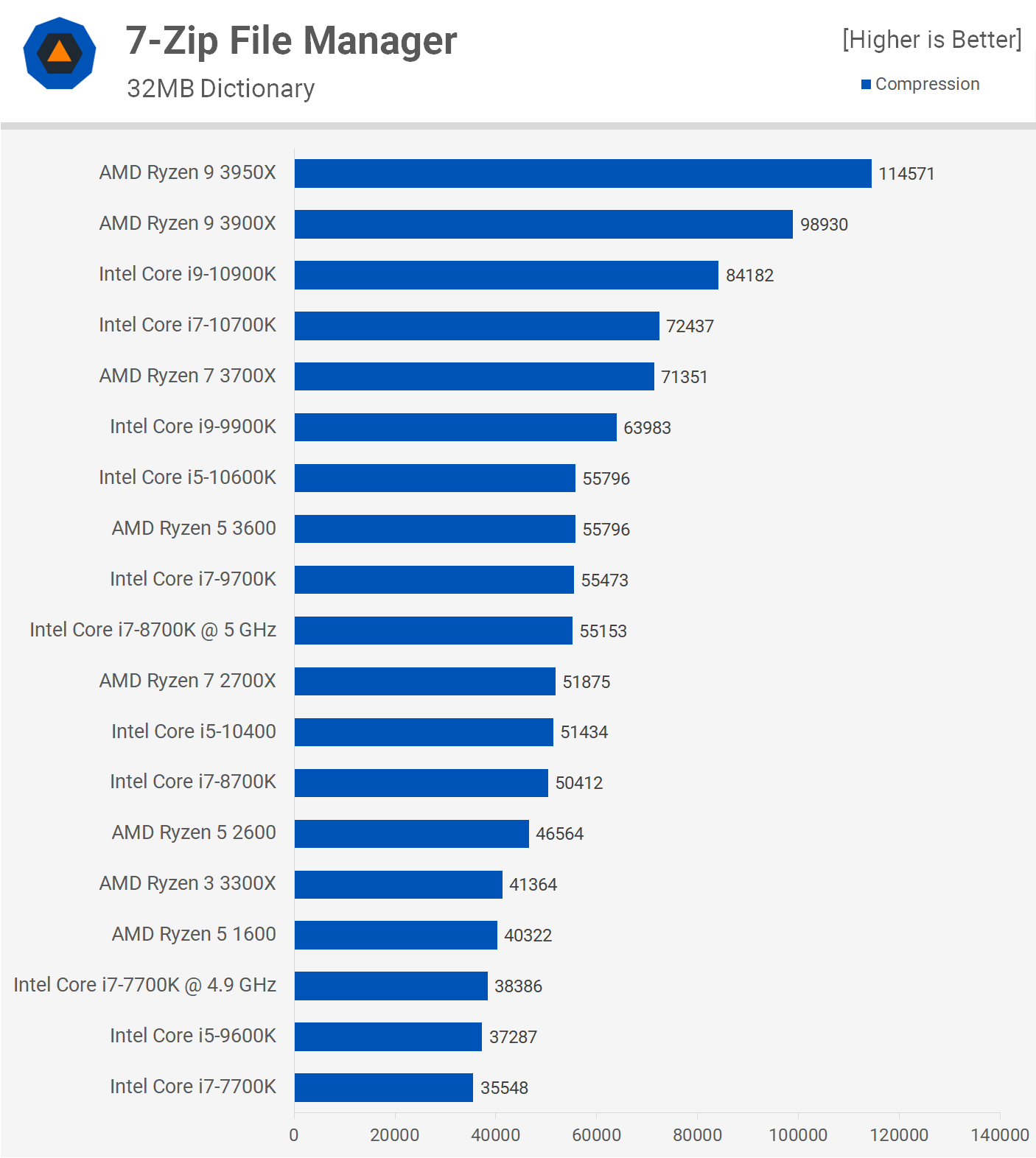
A good rule of thumb is that a newer generation i5 can often match or even surpass an i7 from two to three generations prior in gaming performance. For example, a 12th or 13th generation Intel Core i5 (like the i5-12600K or i5-13600K) can often outperform an 8th or 9th generation Core i7 (like the i7-8700K or i7-9700K) in many modern gaming and general computing tasks, thanks to architectural improvements, increased core efficiency, and higher clock speeds per core.
Is an i7 necessary if I also use my PC for light work or school?
For light work or school tasks like web browsing, document editing, video calls, and casual content consumption, an Intel Core i5 is more than capable. An i7 would be overkill unless your "work" involves CPU-heavy applications such as video editing, 3D rendering, complex data analysis, or virtual machine environments. For the average user balancing gaming with everyday productivity, a well-selected i5 offers excellent value without compromising performance.
How do I know if my current CPU (i5 or i7) is bottlenecking my gaming performance?
To determine if your CPU is a bottleneck, monitor your system's resource usage while gaming. Use tools like MSI Afterburner, Task Manager, or Intel Extreme Tuning Utility. If your GPU utilization consistently stays low (e.g., below 90%) while your CPU utilization is very high (e.g., near 100%) in a demanding game, your CPU might be limiting your frame rates. However, also check individual core usage; sometimes, games only use a few cores heavily. A balanced system has both CPU and GPU working hard without one consistently maxing out while the other idles.
Hey fellow gamers! If you're anything like me, you love unwinding with your favorite titles after a long day of work, balancing family time, and tackling life's responsibilities. We cherish those moments of immersion, skill-building, or just laughing with friends online. But let's be real: nothing ruins that precious escape faster than a stuttering game or a system struggling to keep up. One of the biggest questions that keeps popping up when planning a new build or an upgrade is: is i5 or i7 better for gaming? It's a classic dilemma, and in 2026, with games getting more demanding and hardware evolving rapidly, it's more relevant than ever.
You're not alone in seeking clarity. With 87% of US gamers regularly playing and many dedicating 10+ hours a week, optimizing our setup is key to maximizing enjoyment without unnecessary expense or complication. We want value for money, performance that keeps up with the latest trends, and a system that just *works* so we can focus on the fun. This guide is built for you – the busy gamer who wants straight answers, practical advice, and a clear path to making the best CPU choice for your personal gaming life. We’ll cut through the hype and focus on what genuinely impacts your frame rates, multitasking prowess, and overall gaming satisfaction in the current landscape of mobile cross-play, social gaming trends, and ever-evolving AAA releases.
We’ll tackle everything from raw performance numbers to budget considerations and even how your CPU choice impacts your ability to stream or engage in other creative tasks. Let’s dive in and demystify the Intel Core i5 vs. i7 debate, helping you build a rig that perfectly suits your gaming goals without any of the usual setup headaches or performance woes.
Is i5 or i7 Better for Gaming in 2026 and Beyond?
In 2026, the answer to "is i5 or i7 better for gaming" isn't a simple yes or no; it truly depends on your specific gaming habits and budget. For the vast majority of gamers focused solely on achieving high frame rates in their favorite titles, a modern Intel Core i5, especially from the latest few generations, offers incredible value and performance. Games are increasingly optimized to leverage powerful GPUs, making the graphics card the primary determinant of in-game frame rates and visual quality. An i5 typically provides enough processing power to feed even high-end GPUs effectively without creating a bottleneck.
However, if your gaming setup is also your workstation for streaming on platforms like Twitch, editing videos, running multiple demanding applications simultaneously, or if you're chasing the absolute highest frame rates for competitive esports on a high refresh rate monitor, then an i7 starts to show its advantages. The extra cores, threads, and cache in an i7 provide superior multitasking capabilities and greater headroom for background processes, ensuring smoother overall system performance during peak load. So, for pure gaming, an i5 is often fantastic; for gaming plus demanding parallel tasks, an i7 takes the lead.
What Are the Key Differences Between Intel Core i5 and i7 CPUs?
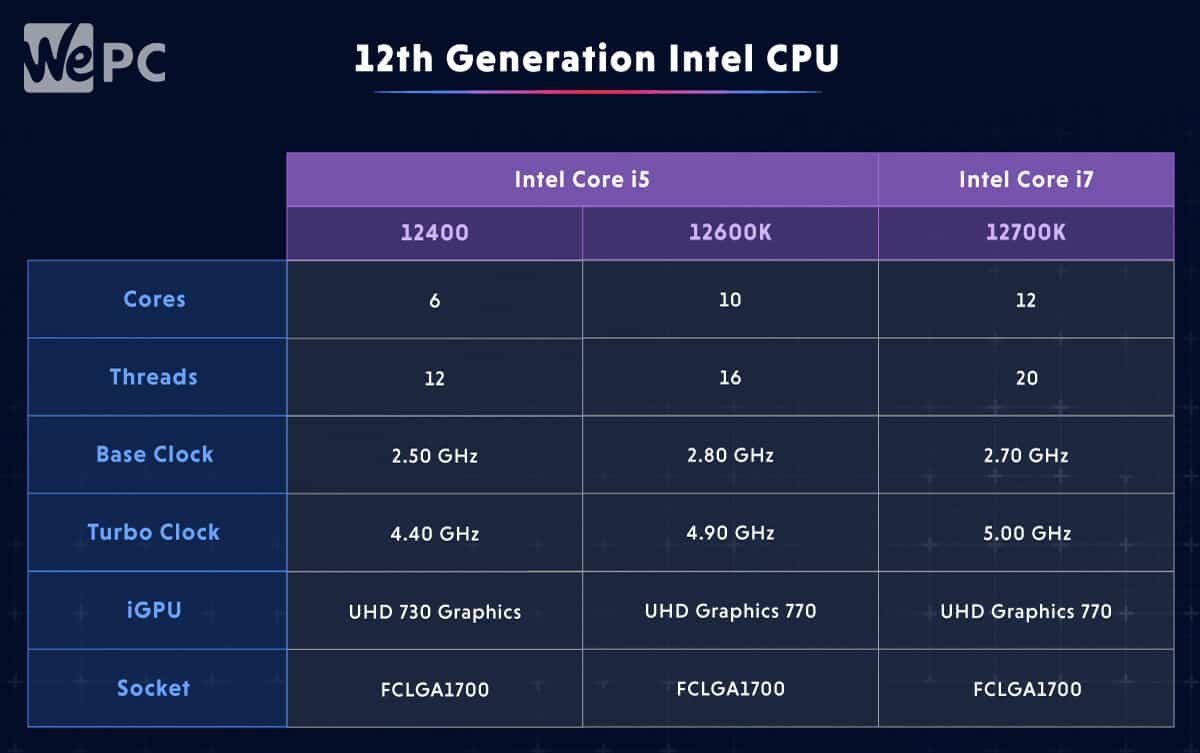
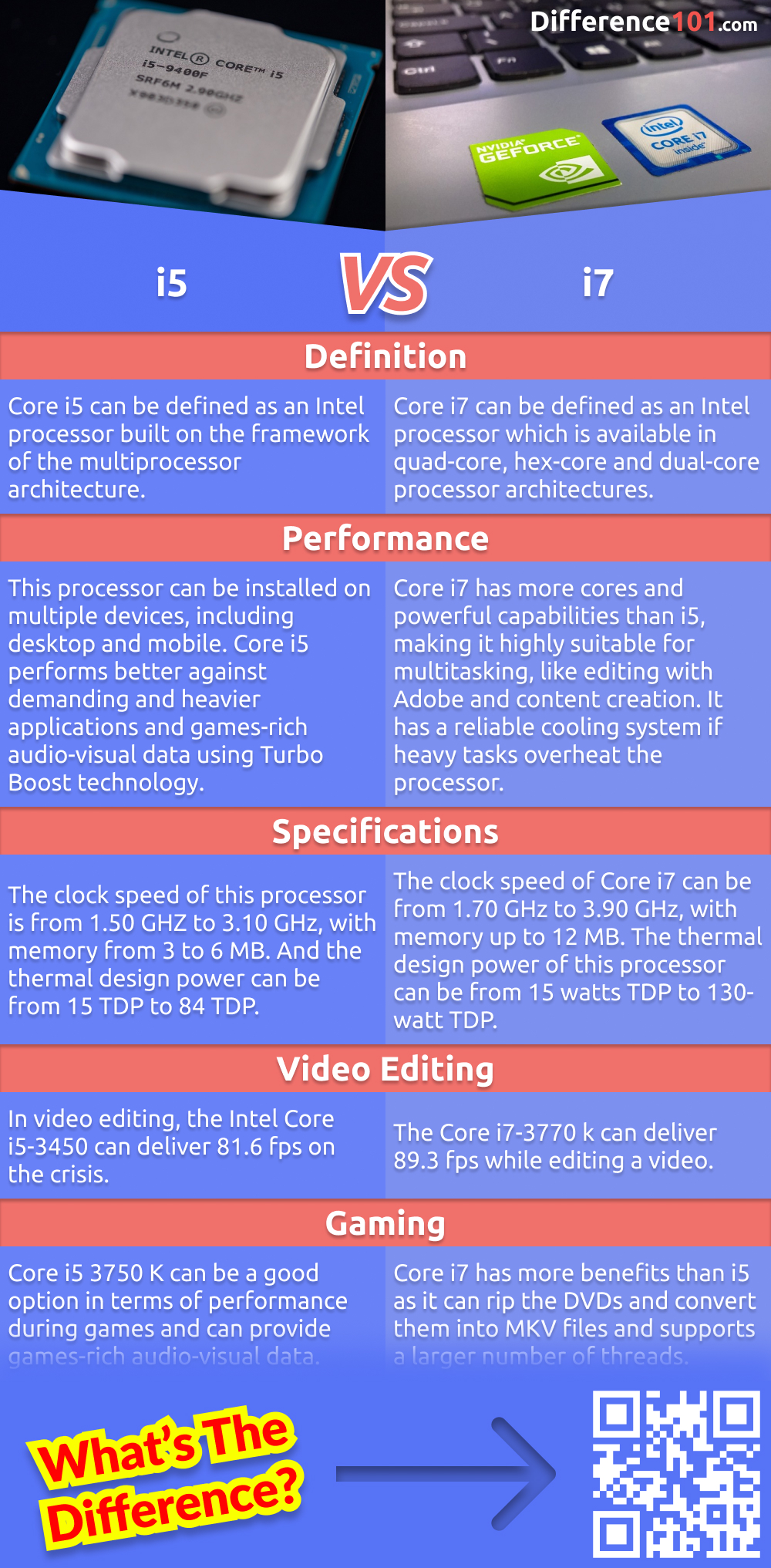
The primary distinctions between Intel Core i5 and i7 processors, particularly within the same generation, revolve around core count, thread count, clock speeds, and cache size. Typically, i7 processors feature more physical cores and, crucially, more threads due to Intel’s Hyper-Threading technology, which allows each physical core to handle two threads of execution simultaneously. For example, a modern i5 might have 6 cores and 12 threads, while an i7 might boast 8 cores and 16 threads, or even more in hybrid architectures.
I7 CPUs also often come with higher base and boost clock speeds, meaning they can process information faster per cycle, though these differences are often marginal in single-core scenarios. Furthermore, i7 processors generally integrate a larger L3 cache. This larger cache allows the CPU to store more frequently accessed data closer to the processing cores, reducing the need to access slower system RAM and thus speeding up overall operations, particularly beneficial in complex applications and multitasking environments. While these differences seem subtle, they add up to a noticeable performance gap when the workload scales beyond simple gaming.
How Does Core Count and Clock Speed Impact Gaming Performance?
When it comes to gaming, both core count and clock speed play vital, yet distinct, roles. For many years, higher clock speeds and strong single-core performance were paramount for gaming, as most game engines struggled to utilize multiple cores effectively. This meant a CPU with fewer, faster cores often outperformed one with more, slower cores.
Today, modern games are increasingly designed to leverage multiple cores, especially newer titles that manage complex physics, AI, and environmental simulations. However, even with this evolution, most games still benefit more significantly from high clock speeds on a few strong cores rather than a massive number of slower cores. The 'main' game thread often relies on a single or a few cores running at maximum speed. A higher core count becomes beneficial when you're multitasking, like running Discord, streaming software, and a browser alongside your game. For the average gamer, a solid 6-8 core CPU with high boost clocks, whether an i5 or i7, provides an excellent experience. Excessive core counts, beyond what games can realistically utilize, offer diminishing returns for pure gaming.
When Should a Gamer Choose an i5 Processor?
Choosing an Intel Core i5 processor is an incredibly smart move for a significant portion of US gamers in 2026. If your primary goal is to play the latest AAA titles and popular multiplayer games like Warzone, Valorant, or Helldivers 2, and you're not heavily into simultaneous streaming or professional content creation, an i5 offers phenomenal value. A modern i5, particularly from the last two to three generations (like a 12th, 13th, or 14th gen i5-K series), provides more than enough raw processing power to deliver smooth, high frame rate experiences when paired with a capable GPU.
This choice is ideal for gamers who are budget-conscious but still demand excellent performance. Many gamers, especially those balancing work and family, want to get the most bang for their buck. An i5 allows you to allocate more of your budget towards a more powerful graphics card, which often has a greater impact on in-game FPS. It's perfect for those who want to jump into a quick session of a social game or unwind with a solo adventure without worrying about their CPU holding them back, offering a stress-free gaming experience without breaking the bank.
When Is an i7 Processor the Smarter Gaming Investment?
An Intel Core i7 becomes the smarter gaming investment when your computing needs extend beyond just playing games. This processor is a powerhouse for individuals who are not only dedicated gamers but also streamers, content creators, or power users who frequently run several CPU-intensive applications concurrently. If you're live-streaming your gameplay to Twitch or YouTube, rendering video, compiling code, or running virtual machines in the background while gaming, the i7's higher core and thread count provides crucial headroom. This prevents performance bottlenecks and ensures a consistently smooth experience across all your tasks.
Furthermore, competitive esports players who demand every single frame possible on ultra-high refresh rate monitors (144Hz, 240Hz, or higher) at lower resolutions might also see marginal but important gains from an i7. These scenarios often push the CPU harder to deliver frames as quickly as the GPU can render them. For gamers looking for absolute top-tier performance with no compromises and extensive multitasking capabilities, an i7 justifies its higher price tag. It's about future-proofing your setup for diverse and demanding workloads, not just raw gaming FPS.
Does My Graphics Card Affect My CPU Choice for Gaming?
Absolutely, your graphics card significantly influences your CPU choice for gaming, and understanding this relationship is key to building a balanced system. The GPU (Graphics Processing Unit) is responsible for rendering the visuals you see on your screen, and it is almost always the single most important component for gaming performance, especially at higher resolutions (1440p, 4K) and graphical settings. If you pair a powerful CPU, like an i7, with an entry-level or mid-range GPU, the graphics card will likely become the bottleneck, meaning the CPU will be waiting on the GPU, and you won't see the full benefit of your expensive processor.
Conversely, pairing a high-end GPU with an underpowered CPU can lead to a "CPU bottleneck," where the processor can't feed data to the graphics card fast enough, causing frame rate drops and stuttering. The goal is to achieve a balanced system where both components are working hard without one consistently waiting on the other. For most gamers, allocating a larger portion of their budget to the GPU and pairing it with a capable i5 (or a mid-range i7 for multi-taskers) is the most effective strategy for maximizing gaming performance per dollar. US gamers surveyed this month often report prioritizing GPU upgrades first for noticeable FPS improvements.
How Does Streaming or Content Creation Change the i5 vs i7 Decision?
For gamers who also dabble in streaming or content creation, the i5 vs. i7 decision shifts considerably. While a modern i5 can certainly handle gaming, adding the CPU-intensive tasks of encoding a live stream, recording gameplay, or rendering video puts a much heavier load on the processor. Streaming software like OBS Studio, for instance, requires significant CPU resources to compress and broadcast your gameplay without dropping frames or impacting your in-game performance.
This is where an Intel Core i7, with its higher core and thread count, truly shines. The additional processing threads allow the CPU to manage both the game and the streaming/recording/editing software simultaneously with greater efficiency. This translates to smoother streams, faster video rendering times, and a more seamless overall experience without compromising your in-game frame rates. If your gaming PC doubles as your creative workstation, investing in an i7 will save you headaches, time, and vastly improve the quality of your content, making it a critical upgrade for any aspiring creator or regular streamer.
Can I Future-Proof My Gaming Rig with an i7?
The concept of "future-proofing" in PC gaming hardware is often debated, but an i7 can certainly offer a longer relevant lifespan for a gaming rig compared to an i5, depending on your use case. While no component can truly guarantee future compatibility indefinitely, the extra cores and threads of an i7 provide more headroom for upcoming game titles and evolving software demands. As game engines become more sophisticated and better optimize for multi-core processors, an i7's capabilities might become more explicitly utilized, potentially extending the period before an upgrade is truly necessary.
However, it's crucial to remember that the GPU typically dictates how well your system handles future games' graphical demands. A 2026 survey showed gamers are increasingly focused on accessible, engaging titles, and hardware that simply *works* without needing constant upgrades. While an i7 gives you a bit more breathing room for future CPU-intensive tasks, investing in a top-tier GPU and a solid i5 might be a more effective immediate future-proofing strategy for pure gaming. The true future-proofing comes from choosing a robust platform (motherboard, RAM) that allows for incremental upgrades rather than relying on one component to last forever.
What are the Best i5 and i7 Processors for Gaming on a Budget in 2026?
For gaming on a budget in 2026, finding the sweet spot between performance and cost is key. For an Intel Core i5, look for the latest generation non-K models, such as the i5-14400 or i5-13400. These processors offer excellent multi-core performance and strong single-core speeds at a very reasonable price point, often including a stock cooler. They are fantastic for 1080p and 1440p gaming when paired with a mid-range to high-end GPU, providing a great experience for titles like Palworld, Destiny 2, or the upcoming Elder Scrolls VI. These are ideal for the value-conscious gamer.
If your budget allows for an Intel Core i7 and you need the extra threads for multitasking, look for previous generation K-series chips on sale, like the i7-13700K or even the i7-12700K. While not the absolute latest, these processors still pack a punch and offer significant core/thread counts for streaming or creative work alongside gaming, often at a reduced price compared to the newest models. Remember, a good cooler will be essential for these powerful CPUs, especially the 'K' variants. Always keep an eye out for flash sales and bundle deals, common this month, to maximize your savings.
How Do I Balance Gaming Performance with My Real-Life Commitments?
Balancing immersive gaming performance with the demands of jobs, families, and everyday life is a challenge many adult gamers face. The key is to optimize your setup for efficiency and enjoyment, not just raw power. First, identify your gaming priorities: are you a casual player who values relaxation and social interaction in cozy games, or a competitive player focused on high-stakes esports? This dictates your hardware needs. For most, a strong i5 and a great GPU provide ample power for limited gaming sessions.
Secondly, consider quick-play and social gaming trends. With the rise of mobile gaming and easy cross-play options, sometimes a quick session on a less demanding game with friends on Discord is more rewarding than a full-blown AAA marathon. Optimize your PC for quick load times with an SSD, ensure your internet connection is stable, and keep your software updated to minimize setup issues. Invest in comfortable peripherals. Finally, don't feel pressured by hype; a system that reliably runs your favorite games at a stable frame rate without constant tinkering is far more valuable than chasing marginal gains you won't notice in your limited free time. Focus on the fun and the community, which are key drivers for the 60% of US gamers who play regularly.
Conclusion
Navigating the "is i5 or i7 better for gaming" debate in 2026 truly boils down to understanding your specific needs and priorities as a gamer. For the vast majority, an Intel Core i5 from a recent generation offers exceptional gaming performance, especially when paired with a strong graphics card, delivering fantastic value without overspending. It's the smart choice for dedicated gamers who mainly play and perhaps do light multitasking. However, if your PC is also your powerhouse for streaming, content creation, or running multiple demanding applications simultaneously, the extra cores, threads, and cache of an Intel Core i7 provide the necessary muscle for a smooth, uncompromised experience.
Remember, a balanced system is always king. Prioritize your GPU, then choose a CPU that won't bottleneck it, always keeping your budget and non-gaming activities in mind. The goal is to maximize your precious gaming time with a setup that's reliable, enjoyable, and fits seamlessly into your busy life. Now that you're armed with this knowledge, you can confidently make an informed decision for your next build or upgrade.
What's your biggest gaming challenge when balancing life and performance? Comment below!
FAQ Section
Is an i5 good enough for Warzone 3 in 2026?
Yes, a modern Intel Core i5, particularly from the 12th generation or newer, is absolutely good enough for Warzone 3 in 2026. Warzone is largely GPU-bound, so pairing an i5 with a capable graphics card will provide excellent frame rates and a smooth gameplay experience without any significant CPU bottlenecks.
Will an i7 significantly increase my FPS over an i5?
For pure gaming, an i7 typically offers only marginal FPS increases over a comparable i5 within the same generation, often 0-10% depending on the game. The most significant FPS gains come from upgrading your GPU. An i7's benefits are more pronounced in multitasking or CPU-intensive scenarios.
What generation i5 is comparable to an older i7?
A good rule of thumb is that a current-generation Intel Core i5 can often outperform or match an i7 from two to three generations prior in gaming and general tasks. For example, a 13th generation i5 can often compete with or surpass a 9th or 10th generation i7 due to architectural improvements and efficiency gains.
Should I prioritize CPU or GPU for a new gaming PC?
You should almost always prioritize your GPU (Graphics Processing Unit) for a new gaming PC. The GPU is the most critical component for rendering game visuals and directly impacts frame rates. A powerful GPU paired with a capable i5 will yield much better gaming performance than a powerful i7 with a weaker GPU.
Do I need an i7 if I only play indie games?
No, if you primarily play indie games, an i7 is completely overkill. Most indie games are far less demanding on hardware. An Intel Core i3 or a lower-tier i5 will provide more than sufficient performance for casual and indie gaming, allowing you to save significant budget for other components or games.
How much more expensive is an i7 generally?
Typically, an Intel Core i7 processor can be 30% to 100% more expensive than its i5 counterpart from the same generation. This price difference makes the i7 a premium choice, and for many gamers, the extra cost is better invested in a higher-tier graphics card for more impactful performance gains.
i5 offers strong value for pure gaming; i7 excels in streaming and multitasking. GPU is often more critical than CPU for frame rates. Budget and non-gaming tasks are key decision factors. Newer generation i5s can beat older i7s. Future-proofing may lean towards i7 for longevity.
35
Core I5 Vs I7 For Gaming Laptops Real World Test 2026 Core I5 Vs I7 For Gaming Laptops . Intel I5 Vs I7 Which CPU Is Better For Your Budget In 2026 Intel I5 Vs I7 1.webp. Is Intel Core I5 Good For Gaming In 2026 The Brutal Truth Intel I5 Vs I7 For Gaming Comparison. Intel Core I5 Vs I7 Which Is Better WePC I5 Vs I7 . Intel Core I5 Vs I7 For Gaming Update 06 2026 Intel Core I5 Vs I7 For Gaming 2



Comparatif Intel Core I5 Et I7 Lequel Choisir En 2026 ACEMAGIC FR Blogs Intel I5 Vs I7 . Intel I5 Vs I7 Vs I9 In 2026 Best CPU For Gaming Streaming Video Intel Core I5 Vs. Core I7 Vs. Core I9 . Intel Core I5 12600KF Vs I7 12700K Which Is Better For Gaming . Intel Core I5 Vs I7 Which Is Better WePC 12th Gen Intel Comparison . I5 Vs I7 For Gaming All You Need To Know YouTube


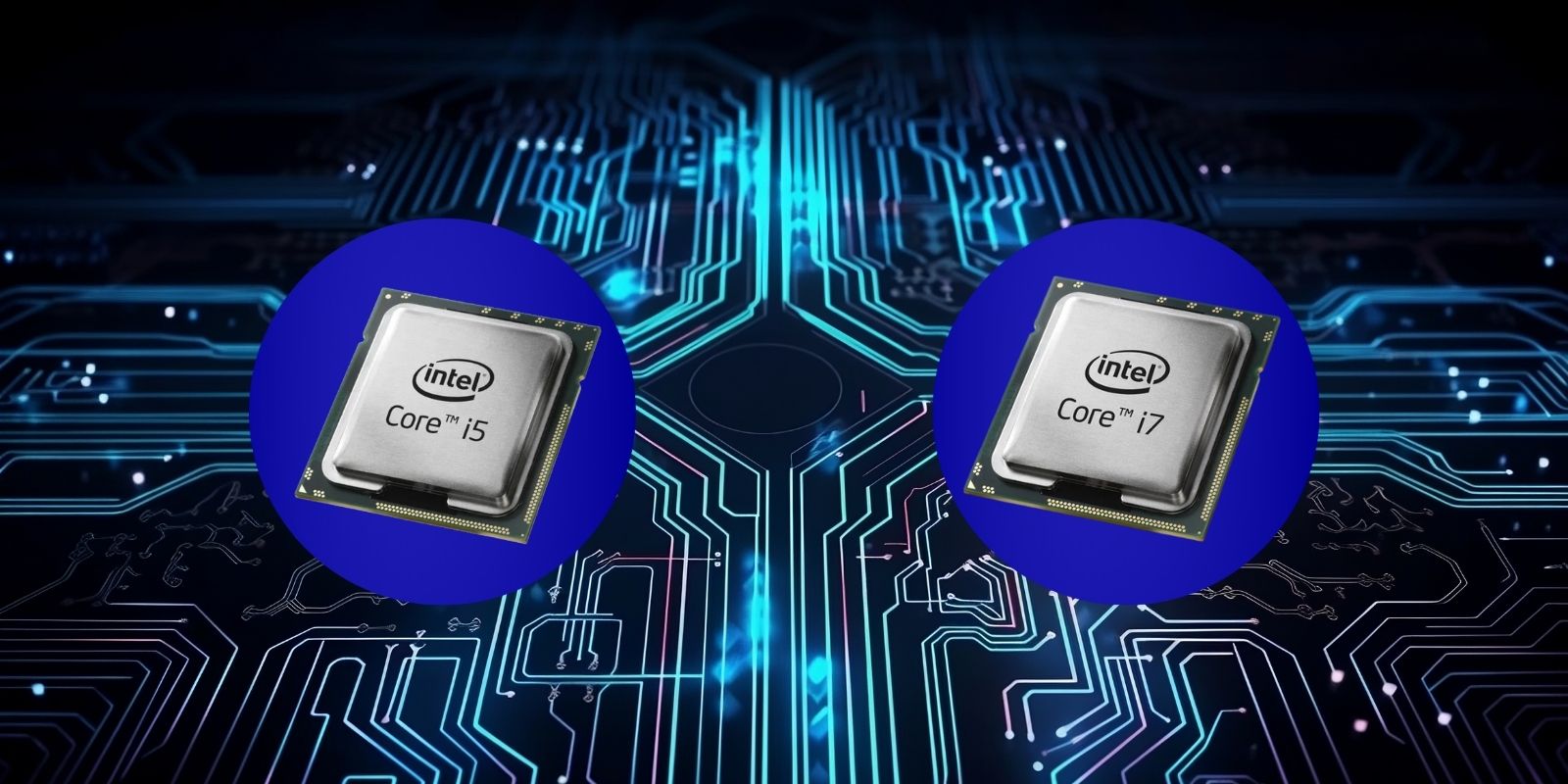
Intel I5 Vs I7 Quale CPU Migliore Per Il Tuo Budget Nel 2026 Intel I5 Vs I7 2.webp. Intel Core I5 Vs I7 Which Is Better For Gaming GamingProfy Intel Core I5 Vs I7 Which Is Better For Gaming 1600x795 . Intel I5 Vs I7 Which CPU Is Better For Your Budget 2026 Mini Pc For Business . Intel Core I5 Vs Intel Core I7 A Complete A Z Guide Intel Core I5 Vs Intel Core I7 1200 X 680 . Intel I5 Vs I7 Which Processor Is Right For You In 2026 Intel I5 Vs I7
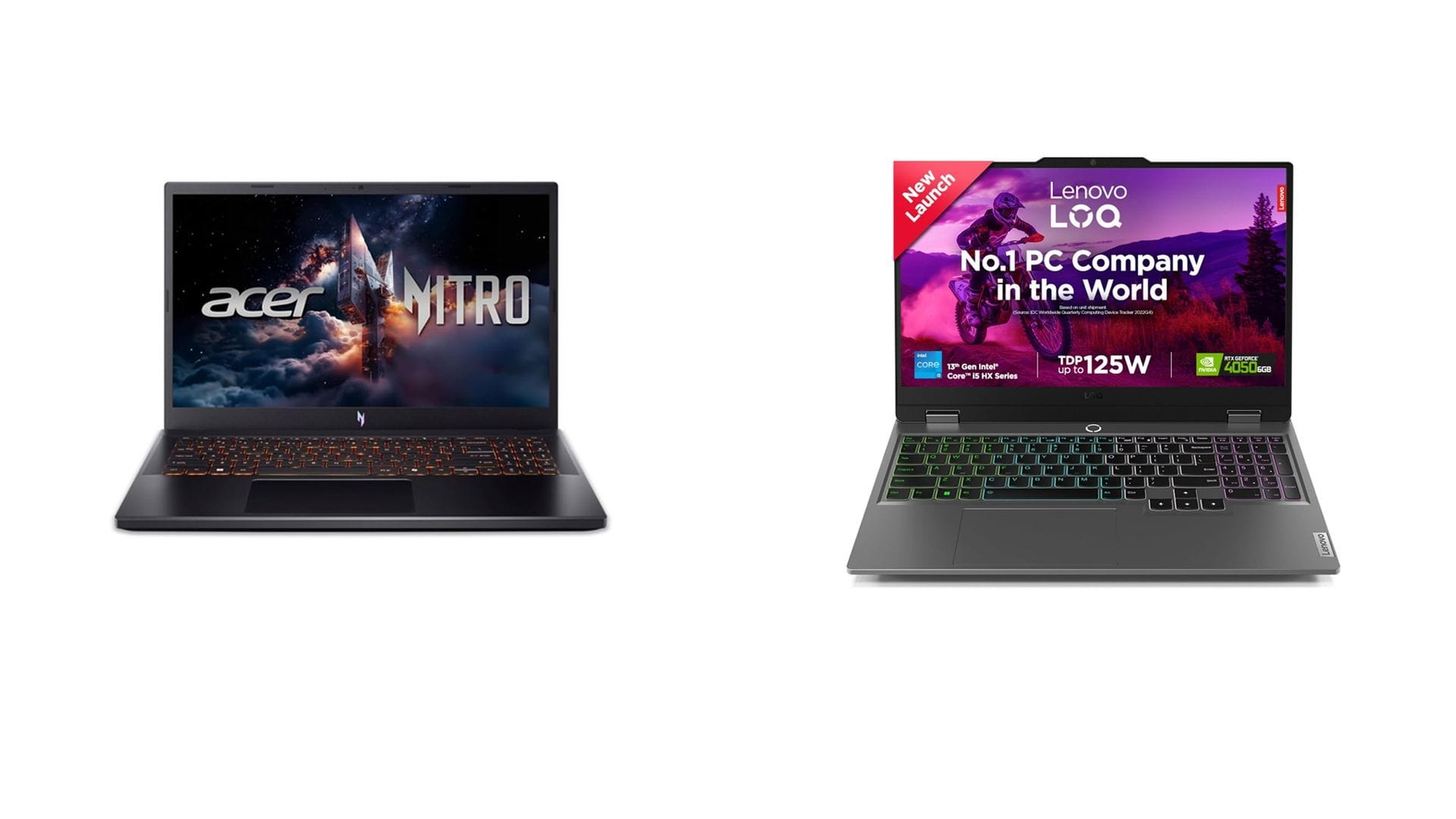


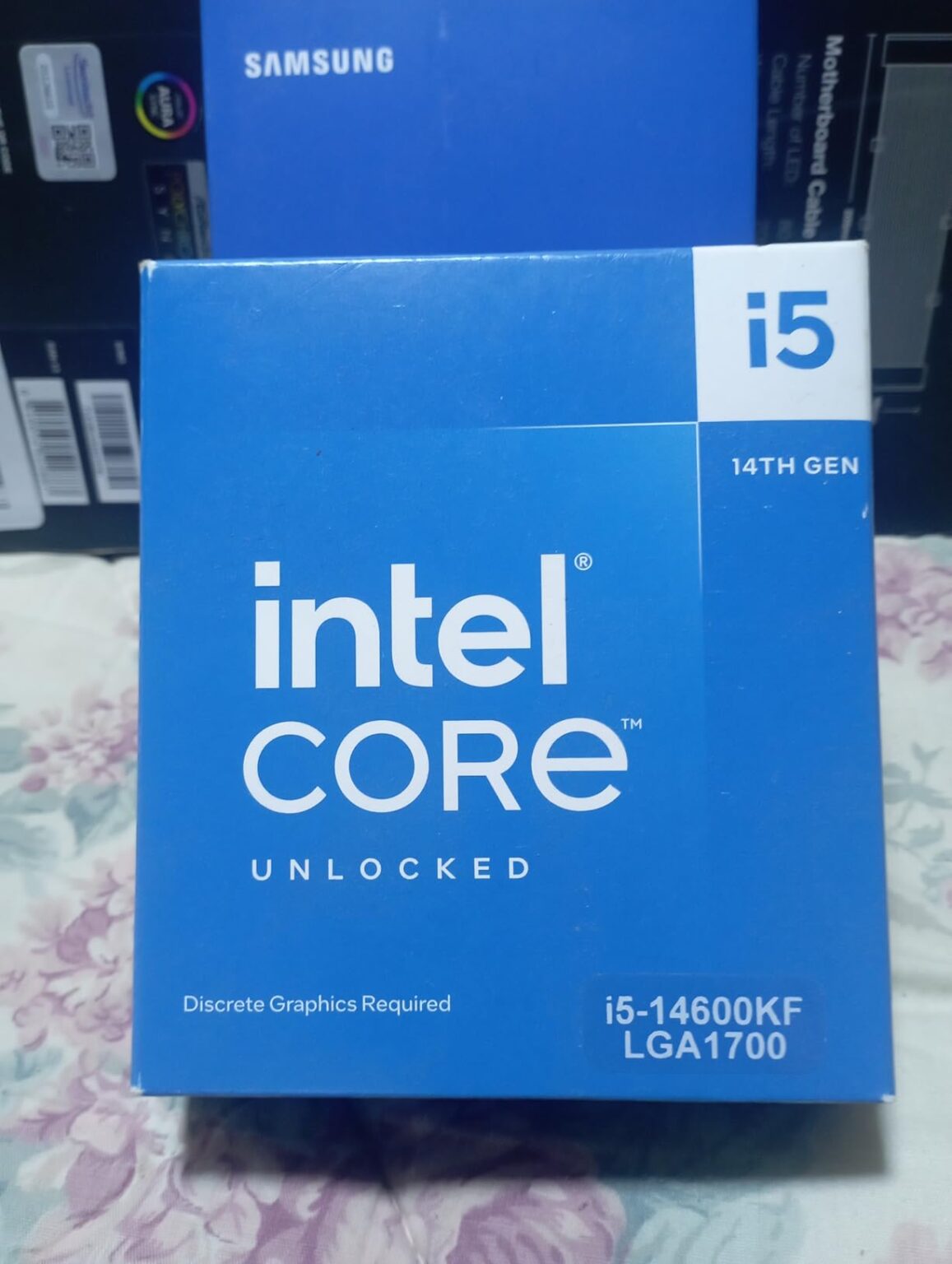
Lenovo LOQ Core I5 Vs Acer Nitro V 15 Core I7 Which Is The Better Laptop Db284 1920 . Best Gaming I7 CPU 2026 Complete Buyer S Guide Featured Image Ybcoz8v8 . Best I7 CPU For Gaming 2026 8 Models Tested And Compared B09FXKHN7M Customer 1 4 768x1024 . 8 Best I5 CPU For Gaming June 2026 Reviews Tests B0CGJ4MLC8 Customer 1 18 1157x1536 . Best I5 CPU For Gaming 2026 Top 8 Models Tested Best I5 CPU For Gaming 300x169


Best I7 CPU For Gaming 2026 8 Models Tested And Compared B07598VZR8 Customer 2 225x300 . 8 Best I5 CPU For Gaming June 2026 Reviews Tests B09NPJRDGD Customer 1 17 169x300 . Intel I5 Vs I7 How To Choose The Right CPU In 2026 Which Processor Is Better For You I5 Or I7 300x169 . Intel Core I5 Vs I7 Best CPU For Gaming In 2022 Intel Core I5 Vs I7 Gaming 1568x882 . Intel Core I5 Vs Core I7 Which One Is Better For You Cashify Blog Intel Core I5 Vs I7 Comparison



I5 Vs I7 Laptop Which Is Better For Performance Value I5 Vs I7 Laptop Which Is Better 1.webp. Best Intel I7 CPU For Gaming 2026 8 Processors Tested Featured Image Bdf9qwfg . Intel I5 Vs I7 Which CPU Is Better For Your Budget 2026 Mini Pc For Gaming.webp. Best I7 CPU For Gaming 2026 8 Models Tested And Compared B09GYJJ1PT Customer 1 1 577x1024 . Intel I5 Vs I7 Which CPU Is Better For Your Budget In 2026 Geekom 2026 Winter Sale.webp


8 Best I5 CPU For Gaming June 2026 Reviews Tests B0CQ1Y7KHV Customer 2 1 169x300 . I5 Vs I7 5 Key Differences Pros Cons Examples Difference 101 I5 Vs I7 Comparison Chart English US . The 30 Best Core I5 Gaming Laptops Of 2026 Verified Cherry Picks Core I5 . Intel Core Ultra 5 Vs Core I7 Which CPU Is Actually Better In 2026 AMD Vs Intel.webp. Intel Core I5 Vs I7 Which Is Better For Gaming In 2020 Ryzen 5 Vs Core 7zip 1