For gamers juggling careers families and personal lives optimizing PC performance without breaking the bank or spending hours troubleshooting is paramount NZXT PC fans offer a compelling solution blending efficient cooling sleek aesthetics and user-friendly control through the CAM software This comprehensive guide dives into everything you need to know about NZXT fans from selecting the perfect airflow or static pressure models to mastering installation and customizing RGB lighting We understand that for the average gamer around 36 years old who dedicates over 10 hours a week to their passion whether it is competitive esports or relaxing in a cozy social game every hardware upgrade needs to deliver tangible value and ease of use This article will help you cut through the hype provide practical advice and ensure your rig stays cool quiet and ready for your next gaming session It addresses common pain points like overheating during intense play noisy systems and complex setups offering clear actionable insights to enhance your gaming experience without disrupting your busy schedule Explore how NZXT fans can elevate your system performance and aesthetic appeal efficiently.
What are the main types of NZXT PC fans available today?
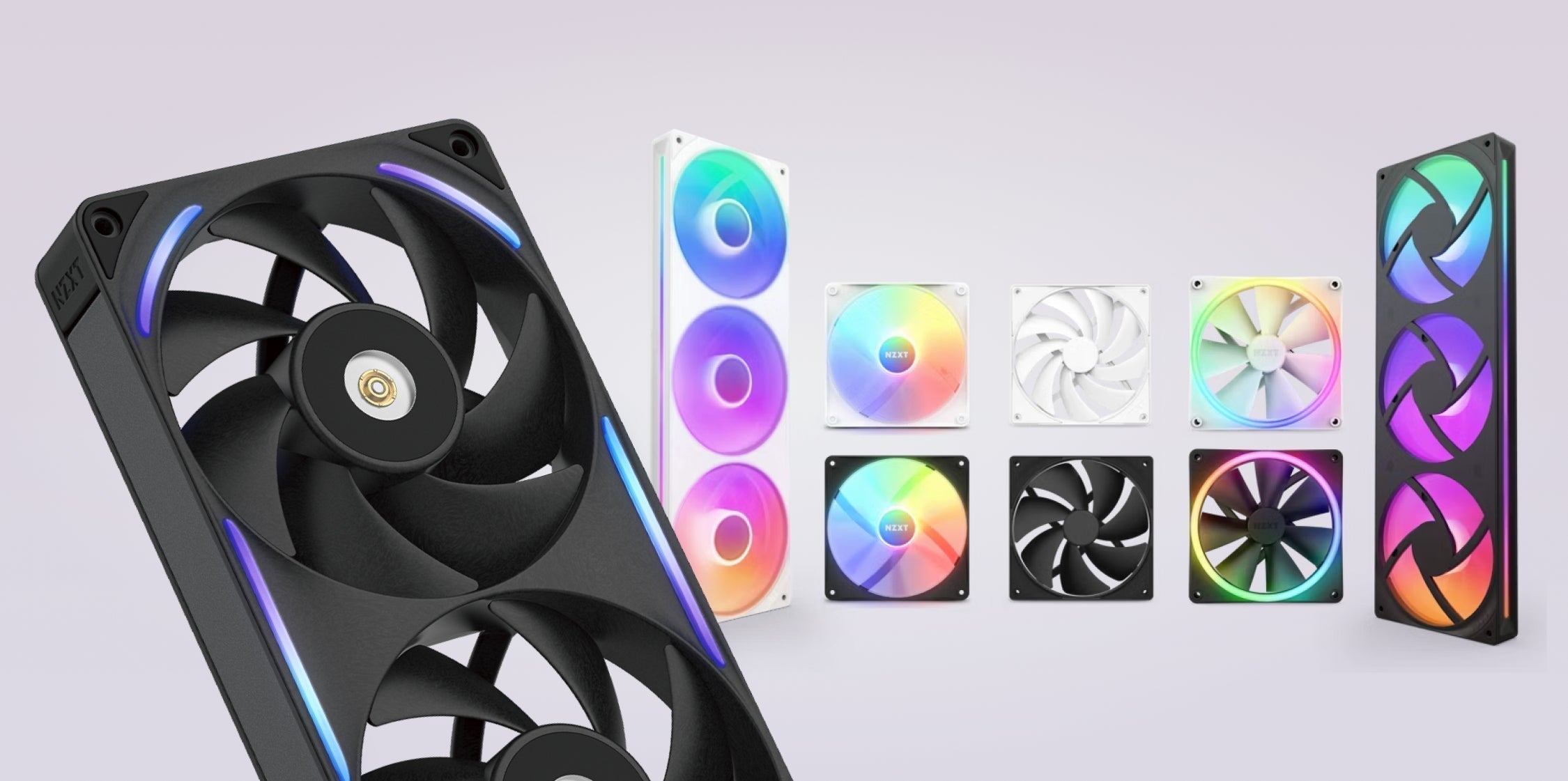
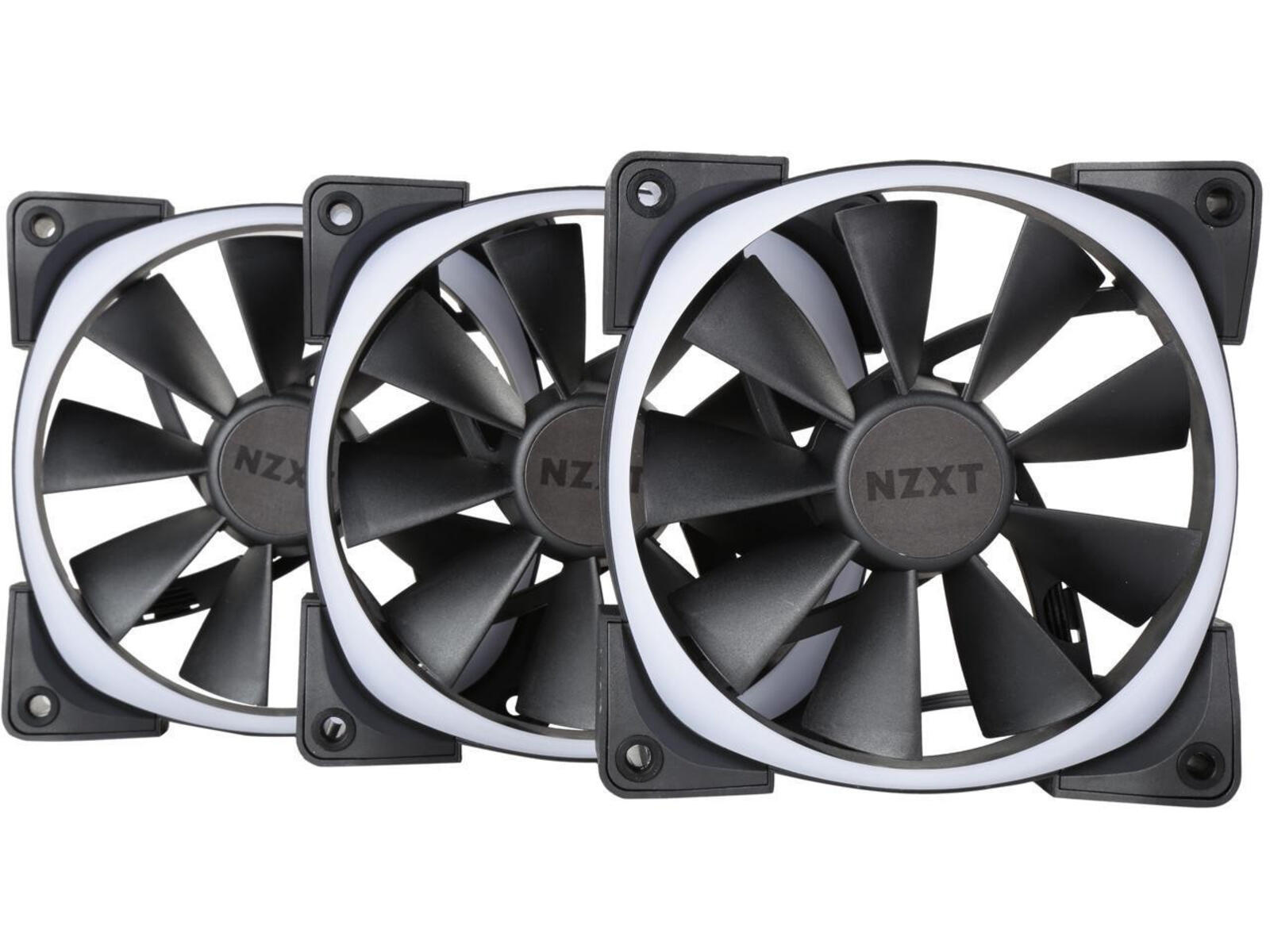
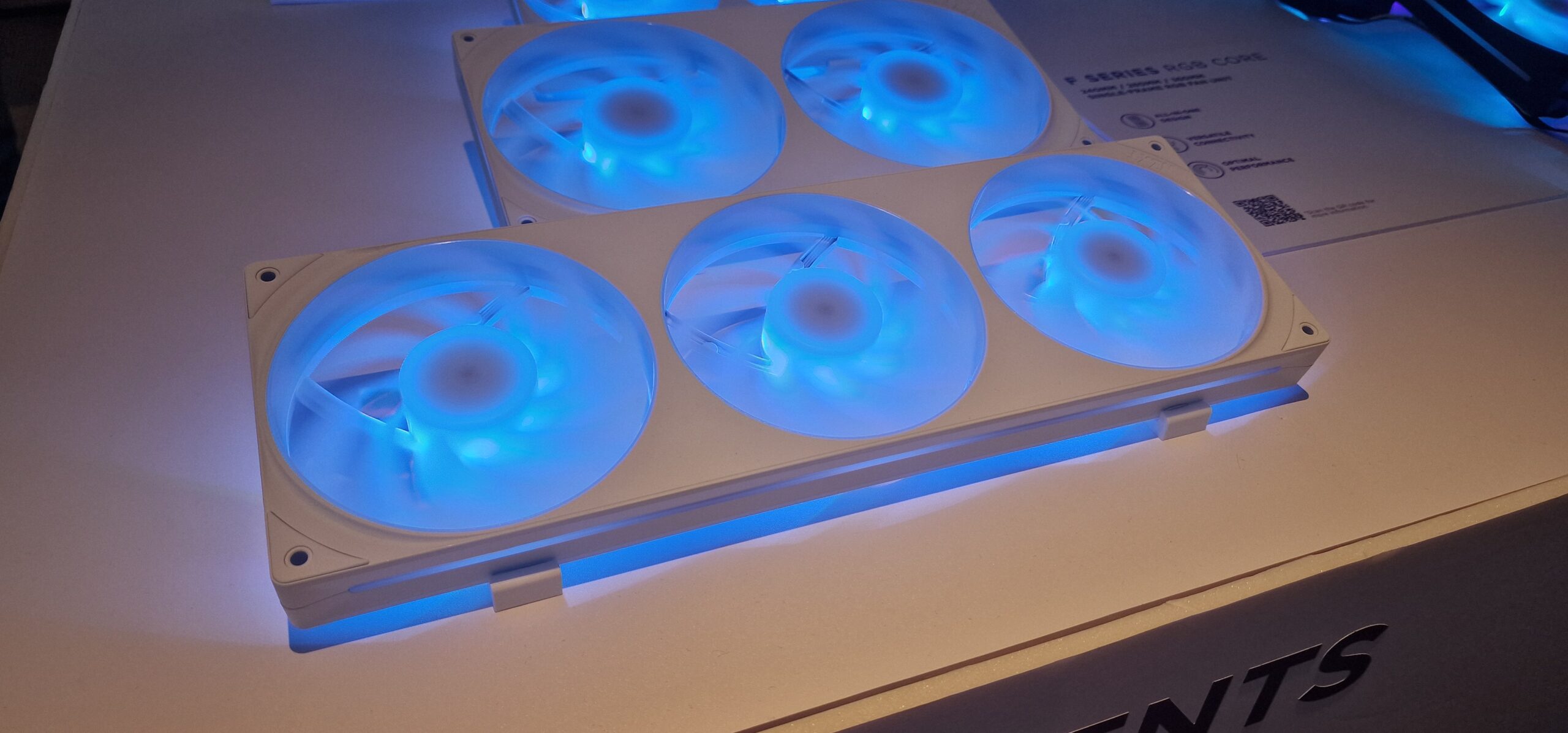
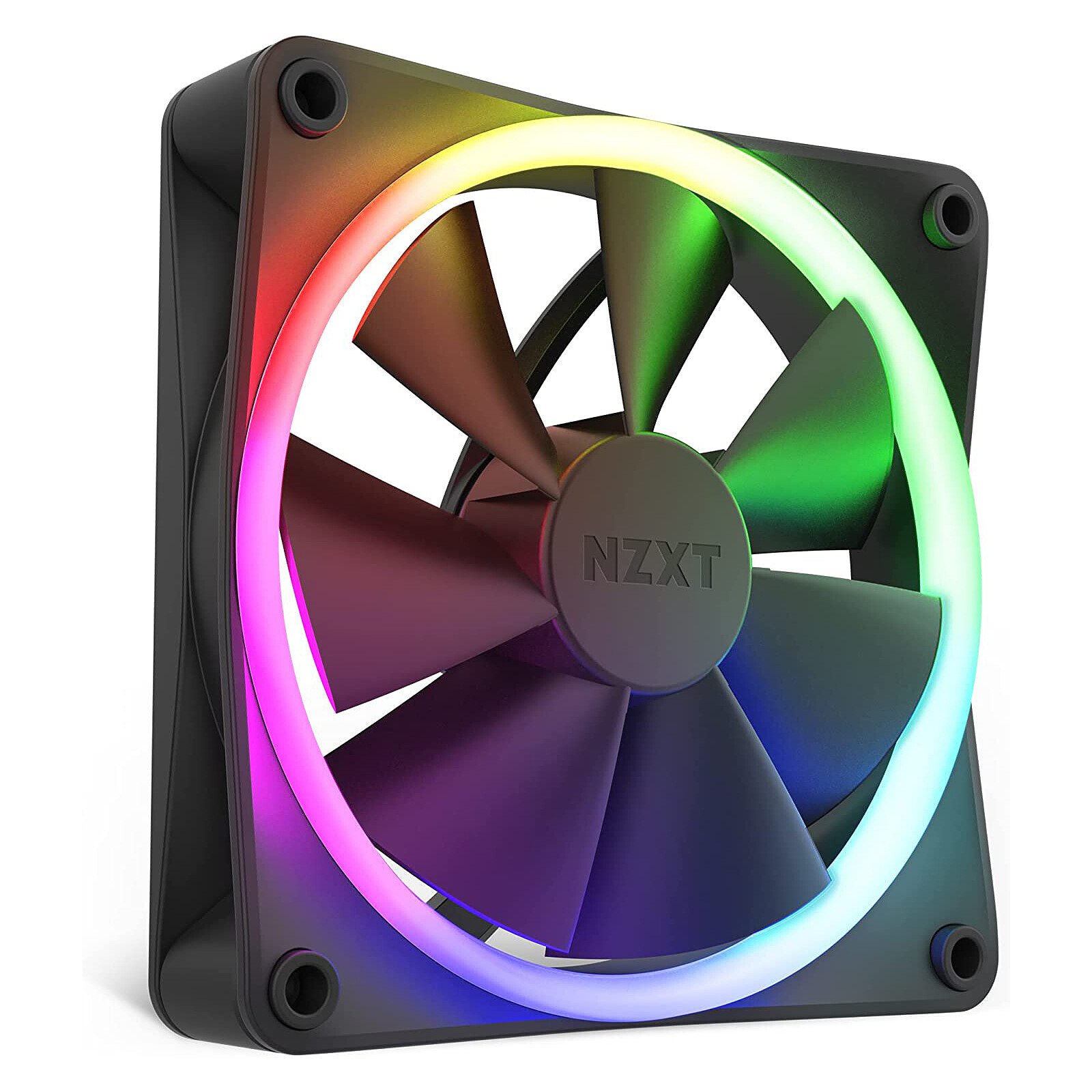
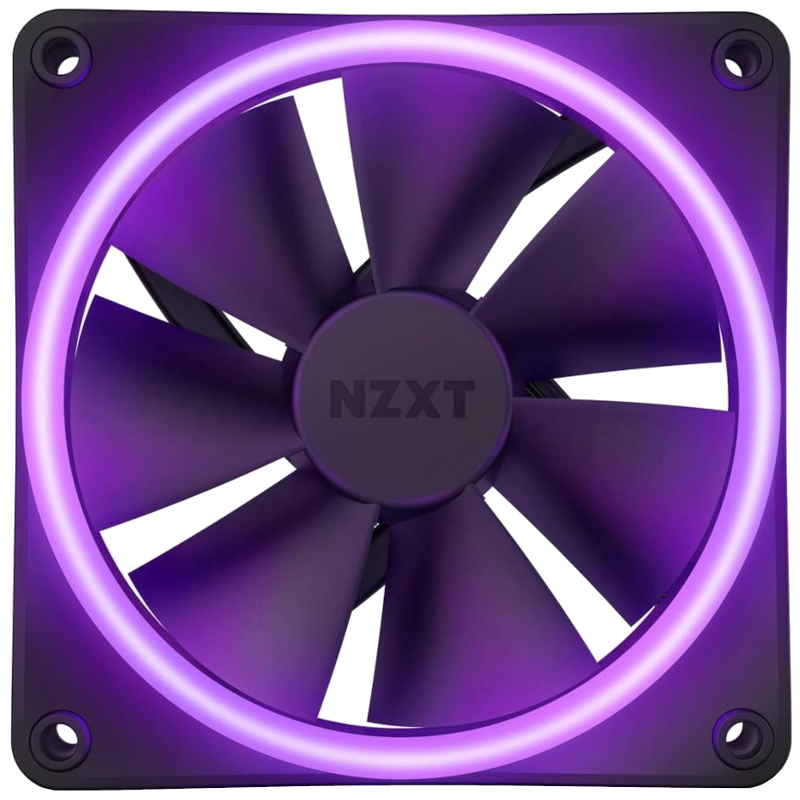
NZXT primarily offers two fan lines for different cooling needs: the Aer series and the F series. Aer fans, like the Aer RGB, are generally optimized for airflow, making them ideal for case ventilation to move air efficiently through your system. The newer F series, including F120 and F140 models, are more versatile, with specific variants designed for either static pressure (perfect for radiators and heatsinks) or airflow. Choosing the right type depends on where you plan to install them in your PC build, ensuring optimal performance for your components.
How do NZXT fans compare in noise levels to other premium brands?
NZXT fans are renowned for their focus on quiet operation, a key factor for gamers who value immersion and a peaceful environment while balancing life. While specific noise levels vary by model and RPM, NZXT often uses fluid dynamic bearings and optimized blade designs to minimize acoustic output. Compared to many competitors, they generally offer an excellent balance of cooling performance and low noise, especially when managed through the intelligent profiles in their CAM software. This makes them a top choice for those who want powerful cooling without the distracting hum.
Is NZXT CAM software essential for controlling NZXT PC fans?
While NZXT fans can function as standard PWM fans without CAM, the software is absolutely essential to unlock their full potential. CAM allows for precise RPM control, creating custom fan curves based on system temperatures, and synchronizing intricate RGB lighting effects across all your compatible NZXT components. For busy gamers, CAM offers an intuitive dashboard to monitor system health, optimize performance, and personalize aesthetics with minimal effort, making it a powerful tool for getting the most out of your NZXT fan ecosystem.
What is the difference between static pressure and airflow NZXT fans?
The distinction between static pressure and airflow is crucial for effective PC cooling. Airflow fans, like some Aer models, are designed to move a large volume of air with minimal resistance, making them ideal for unrestricted areas like front or top case mounts. Static pressure fans, such as the F Series Static Pressure models, excel at pushing air through restrictive environments like dense radiator fins or heatsinks. Selecting the correct type ensures your chosen fan effectively performs its intended cooling task, preventing hot spots and maximizing thermal efficiency.
Can NZXT fans improve GPU and CPU temperatures during intense gaming?
Absolutely. High-quality NZXT fans, when correctly installed and configured, can significantly improve both GPU and CPU temperatures during intense gaming sessions. Better airflow and static pressure through your case and over your heat-generating components directly lead to more efficient heat dissipation. This prevents thermal throttling, where your CPU or GPU automatically reduces its performance to cool down, ensuring you maintain peak frame rates and system stability. It's a fundamental upgrade for any gamer looking to optimize their rig.
Are NZXT RGB fans compatible with non-NZXT motherboards or controllers?
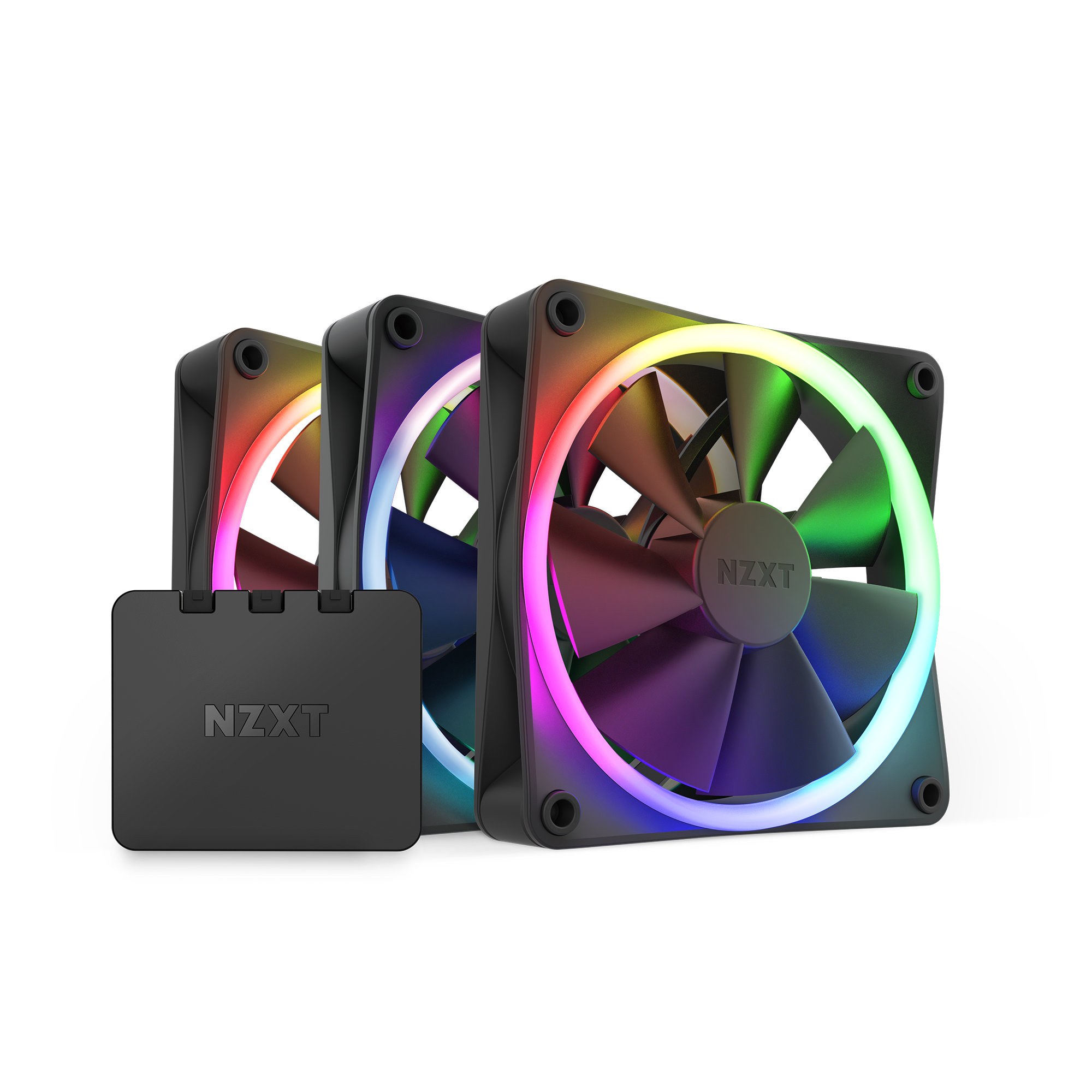
NZXT RGB fans, particularly the Aer RGB and F series RGB models, utilize NZXT's proprietary 4-pin RGB connector, which requires an NZXT RGB & Fan Controller or an NZXT motherboard with integrated RGB headers to function correctly. They are generally not directly compatible with standard 3-pin 5V Addressable RGB (ARGB) or 4-pin 12V RGB headers found on most other motherboards. While adapters or third-party solutions might exist, for the best and most reliable experience, sticking within the NZXT ecosystem for RGB control is highly recommended.
How often should I clean my NZXT PC fans for optimal performance?
Regular cleaning is vital for maintaining optimal performance and longevity of your NZXT PC fans. For most gamers, especially those balancing a busy life, a thorough cleaning every 3 to 6 months is recommended. Dust and debris accumulate on fan blades and heatsinks, impeding airflow and reducing cooling efficiency, which can lead to higher temperatures and increased noise. A can of compressed air is usually sufficient for a quick clean, or you can gently wipe down blades with a microfiber cloth when performing deeper PC maintenance.
Hey fellow gamers! Ever been deep into a raid, immersed in a new open world, or just trying to unwind after a long day at work, only to have your PC sound like a jet engine about to take off? Or worse, experienced that frustrating stutter and frame drop when your system overheats during a crucial moment? You are not alone. For many of us, gaming is a vital escape, a way to relax, build skills, or connect with friends online. But balancing a demanding job, family life, and gaming means every minute and every dollar invested in your setup needs to count. We want performance, aesthetics, and reliability without the hassle or a hefty price tag.
In 2026, with an estimated 87% of US gamers regularly diving into virtual worlds for an average of 10+ hours a week, optimizing our rigs is more important than ever. Whether you are into the latest AAA titles, exploring cozy games, or battling it out in esports, a cool and quiet PC is foundational. That's where NZXT PC fans come into play. Known for their sleek design, robust performance, and intuitive software, NZXT offers a compelling solution for gamers looking to upgrade their cooling without a steep learning curve or emptying their wallets. This comprehensive guide will help you navigate the world of NZXT fans, ensuring your system runs optimally so you can focus on what truly matters: having fun and dominating your digital adventures. We will cover everything from choosing the right fan to installation tips and troubleshooting, all designed for the busy gamer who values efficiency and effective solutions.
What makes NZXT PC Fans a smart choice for busy gamers?
NZXT PC fans stand out in the crowded cooling market for several compelling reasons that directly address the needs of today's gamers. First and foremost, they deliver excellent thermal performance, crucial for preventing component degradation and maintaining stable frame rates during extended play sessions. Nobody wants their GPU or CPU throttling when the action heats up. Secondly, NZXT has perfected the art of aesthetics. Their fans, especially the RGB variants, offer vibrant, customizable lighting that can transform your rig into a personalized masterpiece, syncing effortlessly with other NZXT components through the CAM software. This visual appeal is not just for show; it enhances the immersion, especially when you are streaming or just showing off your build to your Discord buddies.
Furthermore, NZXT prioritizes quiet operation. Using advanced fluid dynamic bearings and optimized blade designs, many NZXT fans manage to move significant air volumes with minimal acoustic output. This is a game-changer for gamers who share a space, record content, or simply crave a peaceful environment to fully concentrate on their game or decompress. Finally, the seamless integration with NZXT's CAM software provides an intuitive control hub, allowing you to fine-tune fan curves, monitor temperatures, and customize RGB effects with ease. For gamers who need reliable performance, striking visuals, quiet operation, and user-friendly control, NZXT fans offer a well-rounded and valuable package.
How do I choose the right NZXT fan for my PC build?
Choosing the correct NZXT fan depends on your specific cooling needs and where you plan to install them in your PC case. NZXT generally offers fans optimized for either static pressure or airflow, each serving a distinct purpose.
- Airflow Fans: These are designed to move a large volume of air with minimal resistance. They are best suited for unrestricted areas of your case, such as front intake, top exhaust, or rear exhaust, where they can efficiently circulate air through the system. NZXT's Aer series (like the Aer F) often falls into this category, as do specific models from the newer F series (e.g., F120Q, F140Q for quiet airflow).
- Static Pressure Fans: These fans excel at pushing air through restrictive environments, like dense radiator fins found in AIO liquid coolers or large CPU air coolers. They generate higher pressure to overcome resistance, ensuring efficient heat dissipation from these crucial components. Many of the NZXT F series fans (e.g., F120P, F140P for static pressure) are specifically designed for this purpose.
When making your choice, consider:
- Location: Are you mounting the fan to a radiator or heatsink (static pressure) or to an open case vent (airflow)?
- Size: Common sizes are 120mm and 140mm. Ensure the fan matches your case or cooler mounts.
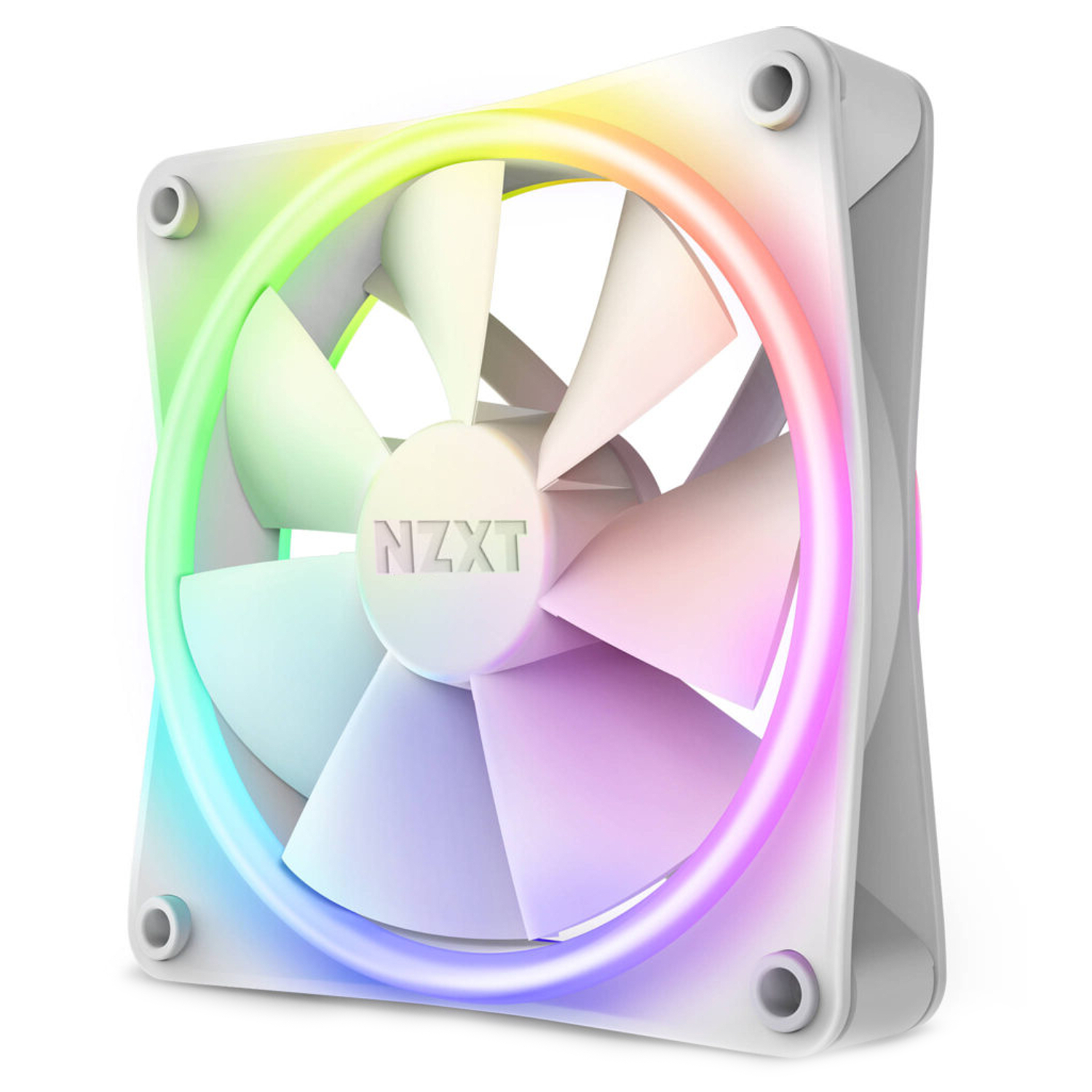
- RGB vs. Non-RGB: Do you want customizable lighting, or is pure performance your priority? NZXT offers both.
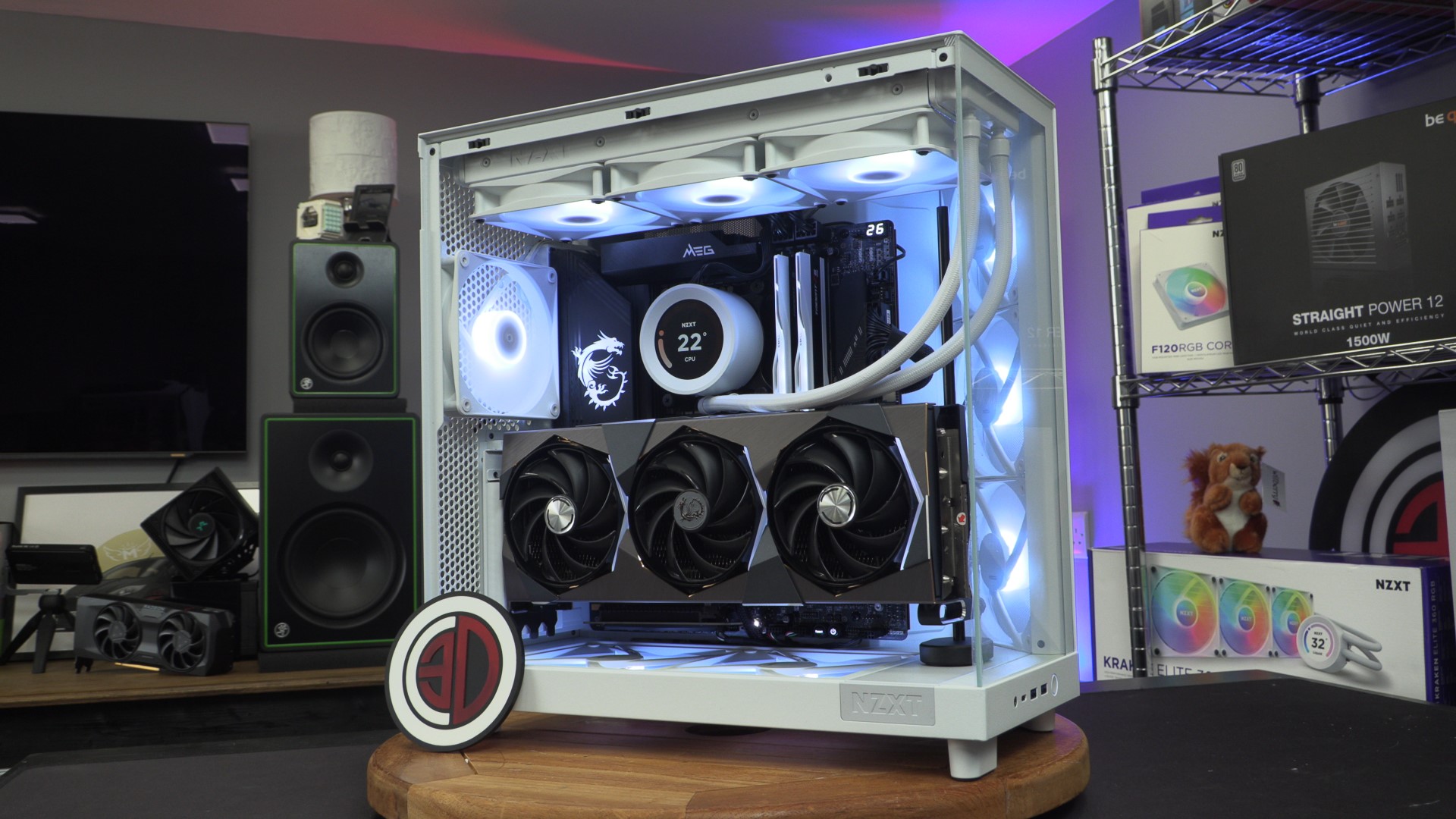
- Quantity: Plan out how many fans your system needs for optimal airflow. A common setup includes 2-3 intake fans at the front and 1-2 exhaust fans at the rear and top.
Matching the fan type to its intended role is paramount for maximizing cooling efficiency and minimizing noise.
Can NZXT fans really improve my gaming performance and longevity?
Yes, absolutely. While fans do not directly increase your CPU clock speed or GPU VRAM, they play an indirect yet critical role in maintaining and even boosting your gaming performance and extending the lifespan of your valuable components. Here is how:
- Preventing Thermal Throttling: Both your CPU and GPU have built-in safety mechanisms that reduce their operating frequency (throttle) when temperatures get too high. This prevents damage but results in noticeable performance drops and stuttering during gaming. Efficient NZXT fans keep these temperatures in check, allowing your components to consistently run at their boost clocks for smoother, more stable frame rates. This means you will maintain that competitive edge or simply enjoy a more fluid experience, especially in demanding titles.
- Component Longevity: Just like any electronic device, PC components degrade faster when exposed to prolonged high heat. By ensuring your CPU, GPU, motherboard VRMs, and even RAM stay within optimal temperature ranges, NZXT fans contribute significantly to their long-term health and reliability. For gamers who invest in high-end hardware and want it to last for years, proper cooling is a preventative measure that saves money on potential replacements.
- System Stability: Overheating can lead to system instability, including crashes, freezes, or unexpected shutdowns. Good cooling from NZXT fans ensures your system remains stable even during marathon gaming sessions, allowing you to focus on the game rather than worrying about your PC.
In essence, investing in quality NZXT fans is an investment in consistent performance, reliability, and the extended life of your gaming rig.
What's the best way to install NZXT fans for optimal cooling?
Proper installation of your NZXT PC fans is crucial for maximizing cooling performance and minimizing noise. It is more than just screwing them in; fan orientation and airflow direction matter immensely. Here is a step-by-step guide:
- Plan Your Airflow: The golden rule is to create a clear path for air to enter your case (intake) and exit it (exhaust). Most cases benefit from positive air pressure (more intake than exhaust) which helps prevent dust buildup.
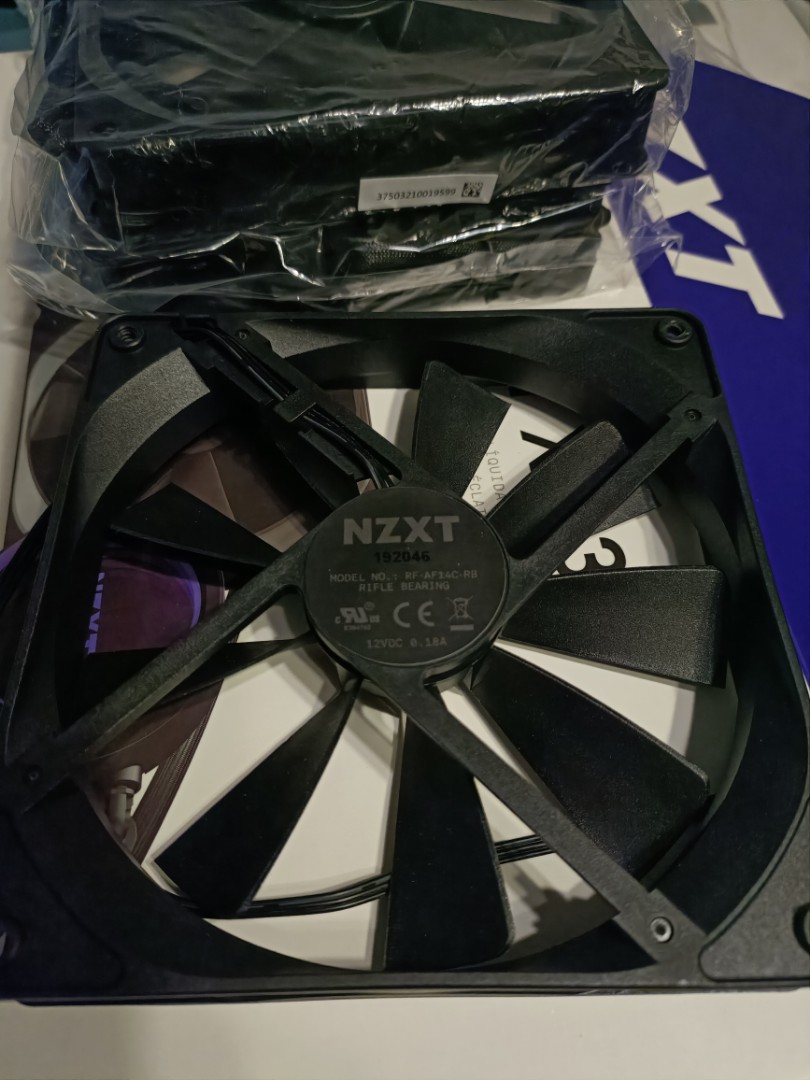
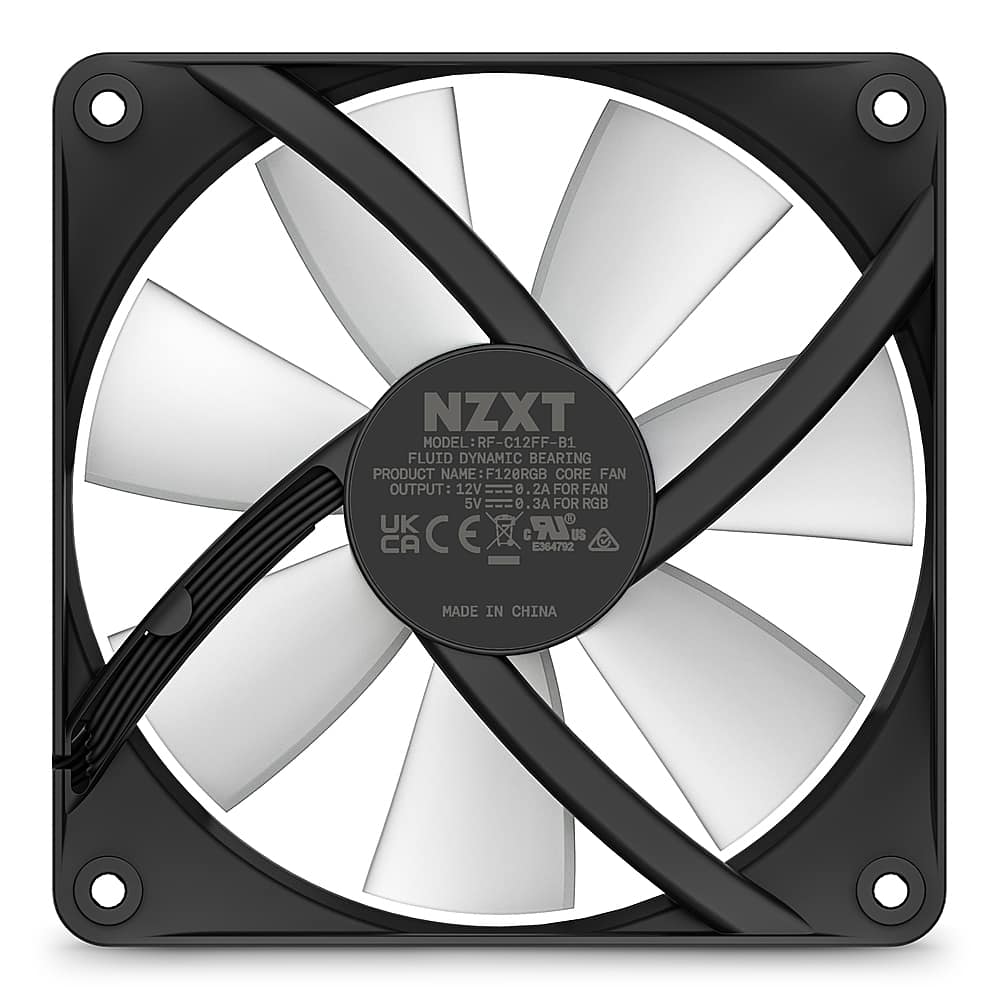
- Intake Fans: Typically mounted at the front and sometimes the bottom of your case. Ensure these fans pull cool air from outside the case INWARD. On most fans, the side with the manufacturer's label or frame bracing is the exhaust side; the open side without obstructions is the intake. So, for intake, the open side faces outward.
- Exhaust Fans: Usually located at the rear and top of your case. These fans push hot air FROM INSIDE the case OUTWARD. For exhaust, the side with the label/bracing should face inward, pushing air out the back/top.
- Radiator Fans (if applicable): If you are using NZXT fans with an AIO liquid cooler's radiator, the general recommendation is a 'push' configuration. This means the fans push air through the radiator fins. Ensure they are pushing air in the desired direction (e.g., pulling cool air from outside the case through the radiator as intake, or pushing hot case air through the radiator as exhaust).
- Mounting: Use the provided screws to secure each fan firmly. Do not overtighten.
- Cable Management: Route fan cables neatly behind the motherboard tray to avoid obstructing airflow. Connect them to your motherboard's fan headers or an NZXT fan controller (like the NZXT RGB & Fan Controller) if you are using multiple fans or RGB features.
- Test and Monitor: Once installed, power on your PC. Use NZXT CAM software to monitor temperatures and adjust fan curves. Experiment with different fan speeds to find a balance between cooling efficiency and noise levels that suits you.
A well-planned and executed fan installation can significantly drop your system temperatures and keep your rig whisper-quiet.
How does NZXT CAM software simplify fan control and RGB customization?
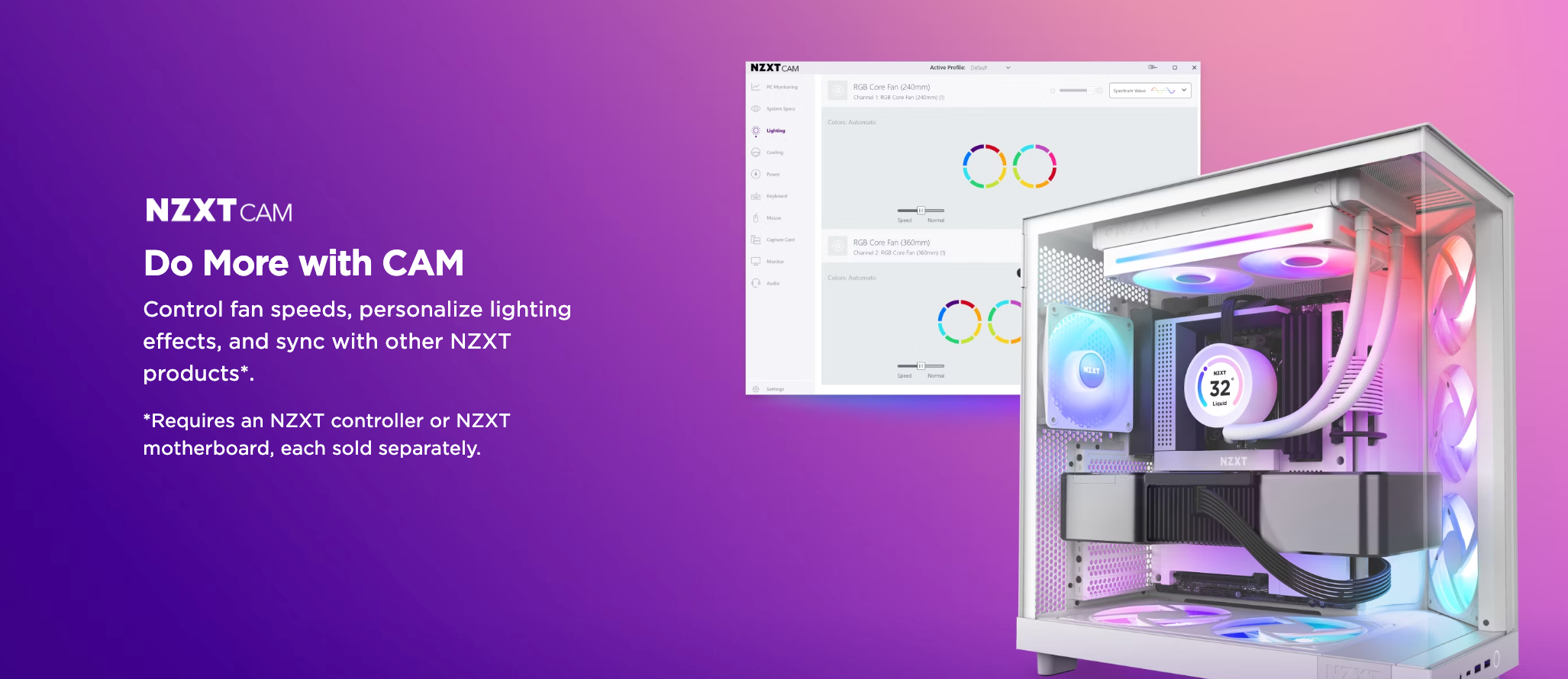
NZXT CAM software is the central nervous system for your NZXT ecosystem, and it dramatically simplifies fan control and RGB customization, making it an invaluable tool for any NZXT user. Instead of fumbling with BIOS settings or multiple applications, CAM provides a unified, intuitive interface for managing your system's performance and aesthetics.
For fan control, CAM allows you to:
- Monitor Temperatures: Get real-time data on your CPU, GPU, and other component temperatures.
- Create Custom Fan Curves: Go beyond basic BIOS settings. You can create precise fan curves that adjust RPM based on specific temperature thresholds. For example, set fans to be silent during browsing, ramp up slightly during casual gaming, and go full throttle during intense benchmarks or demanding titles.
- Choose Preset Modes: If you prefer simplicity, CAM offers preset profiles like 'Silent,' 'Performance,' and 'Fixed' for quick adjustments.
- Control Individual Fans/Groups: Manage each fan or groups of fans independently if connected to a compatible NZXT controller.
For RGB customization, CAM unlocks a world of visual possibilities:
- Synchronized Lighting: Seamlessly synchronize RGB lighting effects across all your compatible NZXT components, including fans, AIO coolers, and RGB strips.
- Vast Effect Library: Choose from a wide array of lighting effects, from static colors and breathing patterns to dynamic modes like 'Wave,' 'Spectrum Wave,' 'Marquee,' and audio-reactive options.
- Fine-Tuning: Adjust colors, speeds, directions, and brightness to perfectly match your setup's theme or your mood.
- Game Integration: Some effects can even react to in-game events or system temperatures, adding an extra layer of immersion.
For the busy gamer, CAM streamlines the optimization process, allowing you to set it and forget it, or quickly tweak settings as needed, all from a single, user-friendly dashboard.
Are NZXT RGB fans worth the extra cost for aesthetics?
The question of whether NZXT RGB fans are worth the extra cost for aesthetics boils down to individual preference and budget, but for many modern gamers, the answer is a resounding yes. In today's gaming landscape, where streaming, content creation, and personalized battlestations are increasingly popular, the visual appeal of your PC is nearly as important as its performance.
- Enhanced Immersion: Dynamic RGB lighting can elevate your gaming experience, especially with ambient lighting setups. Colors can react to in-game events or simply create a specific mood that draws you deeper into the game.
- Personalization: Your PC is often a reflection of your personality. NZXT RGB fans, with their extensive customization options via CAM software, allow you to express yourself and create a unique setup that stands out. This is particularly appealing to Gen Z and Millennial gamers who value customization and aesthetics.
- Social Appeal: For those who share their setups online, stream, or participate in social gaming on platforms like Discord, a visually striking PC can enhance engagement and build a sense of community. It is a conversation starter and a point of pride.
- Value for Money: While RGB fans do cost more, NZXT often bundles excellent cooling performance with their lighting. So, you are not just paying for aesthetics; you are getting high-quality fans that also happen to look amazing. For gamers on a budget, it is about finding the sweet spot where performance meets desirable features.
If you appreciate a visually cohesive and stunning PC build, and you want to immerse yourself fully in your gaming world, then NZXT RGB fans are absolutely worth the investment. They add significant value beyond just cooling, transforming your rig into a true centerpiece.
How can I troubleshoot common NZXT fan issues like noise or poor performance?
Even the most reliable NZXT fans can sometimes encounter issues. For busy gamers, quick troubleshooting can save a lot of headaches. Here are common problems and their solutions:
- Excessive Noise:
- Check for Obstructions: Ensure no cables or debris are hitting the fan blades.
- Tighten Screws: Loose mounting screws can cause vibration and noise. Gently tighten them.
- Clean Fans: Dust buildup on blades can cause imbalance and increased noise. Use compressed air to clean them thoroughly (recommended every 3-6 months for optimal performance).
- Adjust Fan Curves in CAM: High RPMs create more noise. Use NZXT CAM to set a quieter fan curve or activate 'Silent' mode, especially when not gaming.
- Bearing Noise: If it's a grinding or whining sound, the fan bearing might be failing. Consider an RMA if under warranty.
- Poor Cooling Performance:
- Check Airflow Direction: Confirm all fans are oriented correctly for intake/exhaust as planned. Incorrect orientation can create dead spots or recirculate hot air.
- Dust Buildup: Dust on heatsinks/radiators severely reduces cooling efficiency. Clean thoroughly.
- Fan RPM: Verify in CAM that fans are spinning at expected RPMs. If not, check connections.
- Thermal Paste: For CPU coolers, ensure thermal paste is properly applied between the CPU and cooler.
- Case Obstructions: Remove any internal case obstructions (e.g., loose cables) blocking airflow.
- RGB Not Working / Syncing:
- Check Connections: Ensure all RGB cables are securely connected to the NZXT RGB & Fan Controller or appropriate NZXT motherboard headers.
- CAM Software: Make sure CAM is running, updated, and detecting your fans. Try restarting CAM or reinstalling it.
- Controller Issues: If you have multiple RGB devices, try isolating the problem to a specific fan or the controller itself.
- Fans Not Spinning:
- Power Connection: Verify fans are properly plugged into a fan header on the motherboard or controller.
- BIOS/CAM Settings: Check if fan headers are disabled in BIOS or if CAM profiles are set too low (e.g., 0 RPM mode at low temps).
- Faulty Fan: If all else fails, the fan itself might be defective.
When troubleshooting, always start with the simplest solutions and work your way up. Most issues can be resolved with a quick check and adjustment.
Where can I find the best deals on NZXT PC fans for a budget build?
Finding the best deals on NZXT PC fans for a budget build requires a bit of savvy shopping, but it is entirely possible to get quality cooling without breaking the bank. For the financially conscious gamer, here are some top strategies:
- Seasonal Sales and Holidays: Keep an eye out for major sales events like Black Friday, Cyber Monday, Amazon Prime Day, and holiday sales. Retailers like Amazon, Best Buy, Newegg, and the official NZXT store often offer significant discounts on their cooling components during these periods.
- Bundle Deals: Sometimes, NZXT or retailers will offer bundle deals where you can buy multiple fans or an AIO cooler with fans at a reduced price compared to buying them individually. These are excellent for filling out your case.
- Manufacturer Refurbished or Open Box: Websites like Newegg often have 'open box' sections, and some manufacturers sell refurbished units directly. These can be significantly cheaper and still carry a warranty. Just be sure to check the warranty details carefully.
- Price Comparison Websites: Use tools like PCPartPicker, Google Shopping, or CamelCamelCamel (for Amazon) to track prices over time and ensure you are truly getting a good deal. Set price alerts to notify you when prices drop.
- Local Retailers and Micro Center: If you have a Micro Center nearby, they often have competitive pricing and promotions that might not be available online. Check their weekly ads.
- Used Marketplaces (with caution): Platforms like eBay or local Facebook Marketplace groups can have good deals, but exercise caution. Always check seller ratings, ask for photos, and understand the risks of buying used electronics. Stick to reliable sellers with good reputations.
- Consider Non-RGB Versions: If aesthetics are secondary to performance and budget, non-RGB NZXT fans are often cheaper and provide the same excellent cooling.
By being patient and strategic with your purchases, you can equip your budget gaming PC with high-quality NZXT fans and keep your system cool without overspending.
How do NZXT fans compare to other popular brands for silent operation?
When it comes to silent operation, NZXT fans generally hold their own very well against other premium brands in the market. Many gamers, especially those around age 36 who seek a relaxing gaming environment after a long day, prioritize quietness. Here is a general comparison:
- NZXT: Often utilizes fluid dynamic bearings (FDB) and optimized blade designs to minimize friction and turbulence, resulting in lower noise levels. Their CAM software provides granular control over fan curves, allowing users to fine-tune RPMs for a personalized balance of cooling and acoustics. The F series, in particular, has received praise for its low-noise performance, especially in static pressure applications.
- Noctua: Widely considered the gold standard for quiet operation. Noctua fans are renowned for their whisper-quiet performance, often achieving lower decibel levels than competitors while maintaining excellent airflow. However, their signature brown-and-beige color scheme is not for everyone, and their RGB offerings are limited.
- be quiet!: As the name suggests, this brand focuses heavily on acoustics. Their fans (e.g., Silent Wings series) rival Noctua in terms of quietness and often come with a more subdued, all-black aesthetic. They are a strong contender for silent builds.
- Corsair: Offers a wide range of fans, many with excellent RGB integration and decent acoustic performance (e.g., ML series with magnetic levitation bearings). While generally quieter than budget options, some models might be slightly louder than NZXT, Noctua, or be quiet! at higher RPMs, often prioritizing visual flair and raw performance.
- Arctic: Known for their excellent value and solid performance, especially the P-series fans. They offer competitive acoustics for their price point, making them a popular choice for budget-conscious builders who still want good quiet performance.
In summary, NZXT fans consistently deliver a commendable balance of cooling power and low noise, placing them firmly among the top choices for gamers who value a quiet system. While Noctua and be quiet! might have a slight edge in absolute silence, NZXT's aesthetic appeal, RGB integration, and CAM software ecosystem often make them a more attractive and well-rounded package for the average gamer looking for both quiet performance and visual customization.
Can I use NZXT fans with other brand's RGB ecosystems?
This is a common question, and unfortunately, the answer is generally no, not directly. NZXT RGB fans, such as the Aer RGB and F Series RGB models, utilize a proprietary 4-pin connector designed specifically for the NZXT ecosystem. This means they require an NZXT RGB & Fan Controller or an NZXT motherboard with integrated RGB headers (like some N7 B550/Z590/Z690 models) to enable and control their RGB lighting effects. They are not compatible with standard 3-pin 5V Addressable RGB (ARGB) or 4-pin 12V RGB headers found on most other brands of motherboards (e.g., ASUS Aura Sync, MSI Mystic Light, Gigabyte RGB Fusion).
While the fans themselves can typically be powered and controlled for speed via standard 4-pin PWM fan headers on any motherboard, you will lose all RGB functionality without the dedicated NZXT controller. Some third-party adapters or DIY solutions might exist, but they are often complex, unreliable, and not officially supported, potentially leading to compatibility issues or even damage. For the best and most reliable RGB experience with NZXT fans, it is highly recommended to stick within their ecosystem by using an NZXT RGB & Fan Controller. This ensures seamless synchronization and control through the user-friendly NZXT CAM software, avoiding the headache of mismatched components.
Conclusion
Optimizing your gaming PC's cooling with NZXT PC fans is more than just a technical upgrade; it's an investment in a smoother, quieter, and more enjoyable gaming experience. For busy gamers balancing life's demands, NZXT offers a compelling blend of performance, aesthetics, and ease of use through their intuitive CAM software. We have covered everything from choosing the right fan for your needs to mastering installation, troubleshooting common issues, and even finding great deals. By understanding the nuances of airflow versus static pressure, leveraging the power of CAM, and maintaining your fans, you can ensure your rig stays cool under pressure, preventing performance bottlenecks and extending the life of your valuable components.
Remember, a cool PC is a happy PC, leading to a happier gamer. So go ahead, upgrade your cooling, dial in those RGB effects, and get back to what you love doing most: gaming without limits. What's your biggest gaming challenge with PC cooling? Comment below and let's keep the conversation going!
FAQ Section
Are NZXT fans good for airflow or static pressure?
NZXT offers both airflow-optimized fans (e.g., Aer F, F120Q) for general case ventilation and static pressure optimized fans (e.g., F120P) designed to push air through restrictive radiators or heatsinks. It is important to choose the correct type for your specific cooling needs.
Do NZXT fans come with a controller?
Some multi-packs of NZXT RGB fans include an NZXT RGB & Fan Controller. Individual fans often do not, requiring a separate purchase if you need RGB control or additional fan headers beyond your motherboard's capabilities.
How do I change the color of my NZXT RGB fans?
You change the color and effects of NZXT RGB fans using the NZXT CAM software. Ensure your fans are connected to an NZXT RGB & Fan Controller or a compatible NZXT motherboard, then open CAM, navigate to the Lighting section, and customize away.
Can I daisy chain NZXT fans?
Yes, many NZXT fans, especially the F Series, are designed for daisy-chaining (or 'pigtail' connections) for both power and RGB signals, simplifying cable management and reducing the number of headers needed on your controller or motherboard. Always check the specific fan model's manual for confirmation.
What is the typical lifespan of an NZXT PC fan?
NZXT PC fans, like most quality fans, typically have a rated lifespan of around 60,000 to 80,000 hours Mean Time To Failure (MTTF). With proper maintenance (regular cleaning) and operating conditions, they can easily last many years within a gaming PC.
Do NZXT fans come with mounting screws?
Yes, NZXT fans typically come with a set of standard fan mounting screws in the box, suitable for attaching them to your PC case or radiator.
NZXT PC fans offer superior cooling performance customizable RGB lighting via CAM software quiet operation for immersive gaming and various models optimized for airflow or static pressure They integrate seamlessly into NZXT ecosystems providing a streamlined control experience for busy gamers looking for efficiency and style.
35

NZXT PSU Family Explained Platinum Gold Gold Core And Bronze 2 CPU Cooler Hero . Are NZXT PC Fans The Best Choice For Your Computer Cooling Fans F Rgb Fans With Controller 2000x2000 F120rgb Tripple B . NZXT PC Fan Family Explained A Fan For Every 1722442439 1920x1080 Nzxt Flex Enen . Are NZXT PC Fans The Best Choice For Your Computer Nzxt Cooling Fans 1682423164 7481d138 . Founders Edition GPU Explained Why Gamers Love Them 2 Performance Fans Hero 04df4f9d D83e 48f5 Bc89




NZXT Unveils Powerful New Performance Fan Series For Ultimate Cooling NZXT Performance Fan Series 1181x640 . NZXT 420mm PC Case Fans With RGB Lighting White Case Fan At 6599 68 Nzxt 420mm Pc Case Fans With Rgb Lighting White Case Fan 1000x1000 . NZXT Intros F Series RGB Core Single Frame Fans At Computex Nzxt Intros F Series Rgb Core Single Frame Fans At Computex 1 . NZXT NZXT F240X Performance Fan 240mm Single Frame Case Fan W 2 X F7c25b90 2273 4da8 A58a. What To Do When You Get Your Nzxt Pc At George Tarenorerer Blog

Are NZXT PC Fans The Best Choice For Your Computer 7 Amazing Nzxt 140mm Case Fan For 2023 1703651038 . NZXT PC Case Fans High Airflow RGB And Static Pressure Fans Cooling Fans F Rgb Fans With Controller 2000x2000 F140rgb Twins W . NZXT Launches A Range Of New Fans At Computex 2024 OC3D 20240604 144607 Scaled . NZXT F120 RGB Black Case Fan LDLC . Are NZXT PC Fans The Best Choice For Your Computer Nzxt F120 Rgb Duo Fan Product


NZXT F120 RGB X3 Pack 120mm PC Cooling Fans Cooling Fans Rgb Fans White Rgb Elevation45 120 Png . NZXT F120 RGB Duo Fans 120mm White QCKblo8D9b . Customer Reviews NZXT F120 Core RGB 120mm Computer Case Fan With Fluid . NZXT PC Fan Family Explained A Fan For Every Prebuilds 6f7208ad Afaa 47f6 B44d . Toyota Rav4 2026 Models Comparison Nzxt Pc IMG 6929
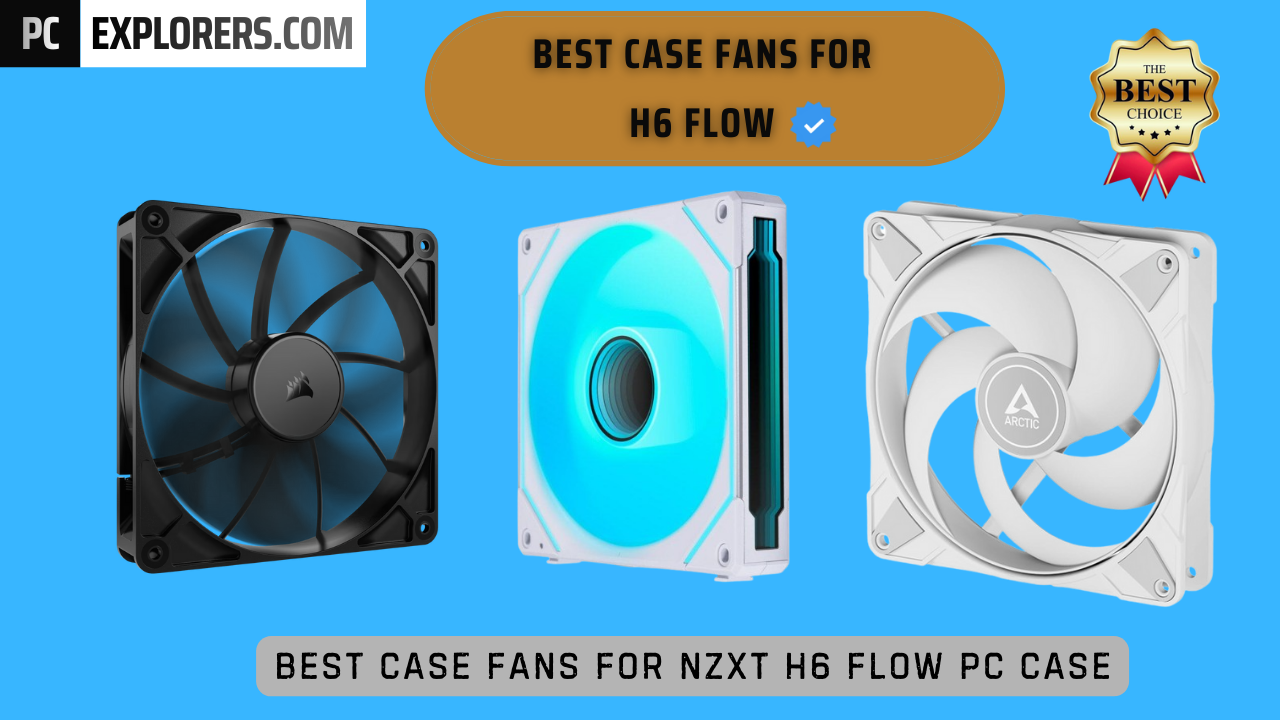
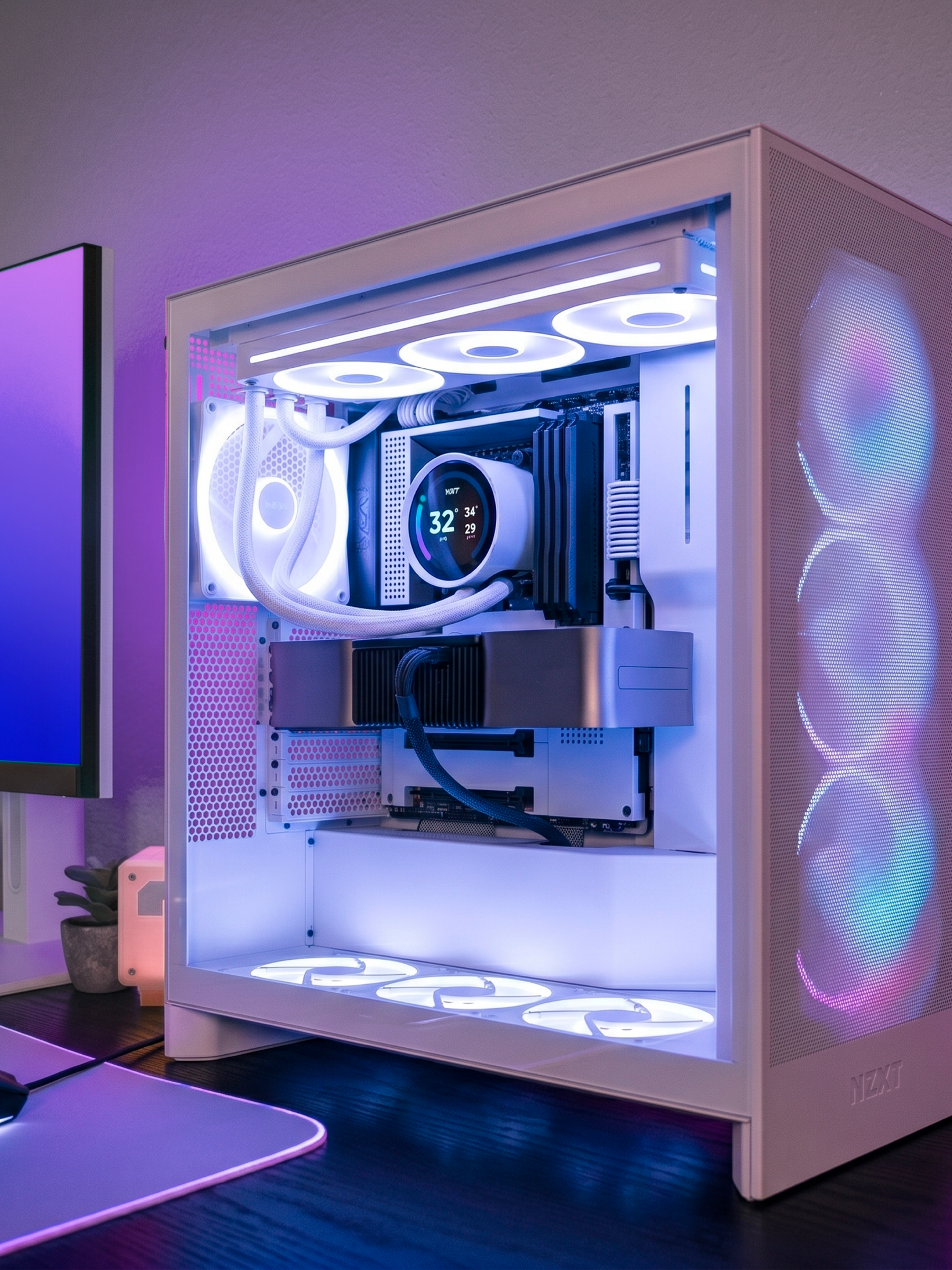

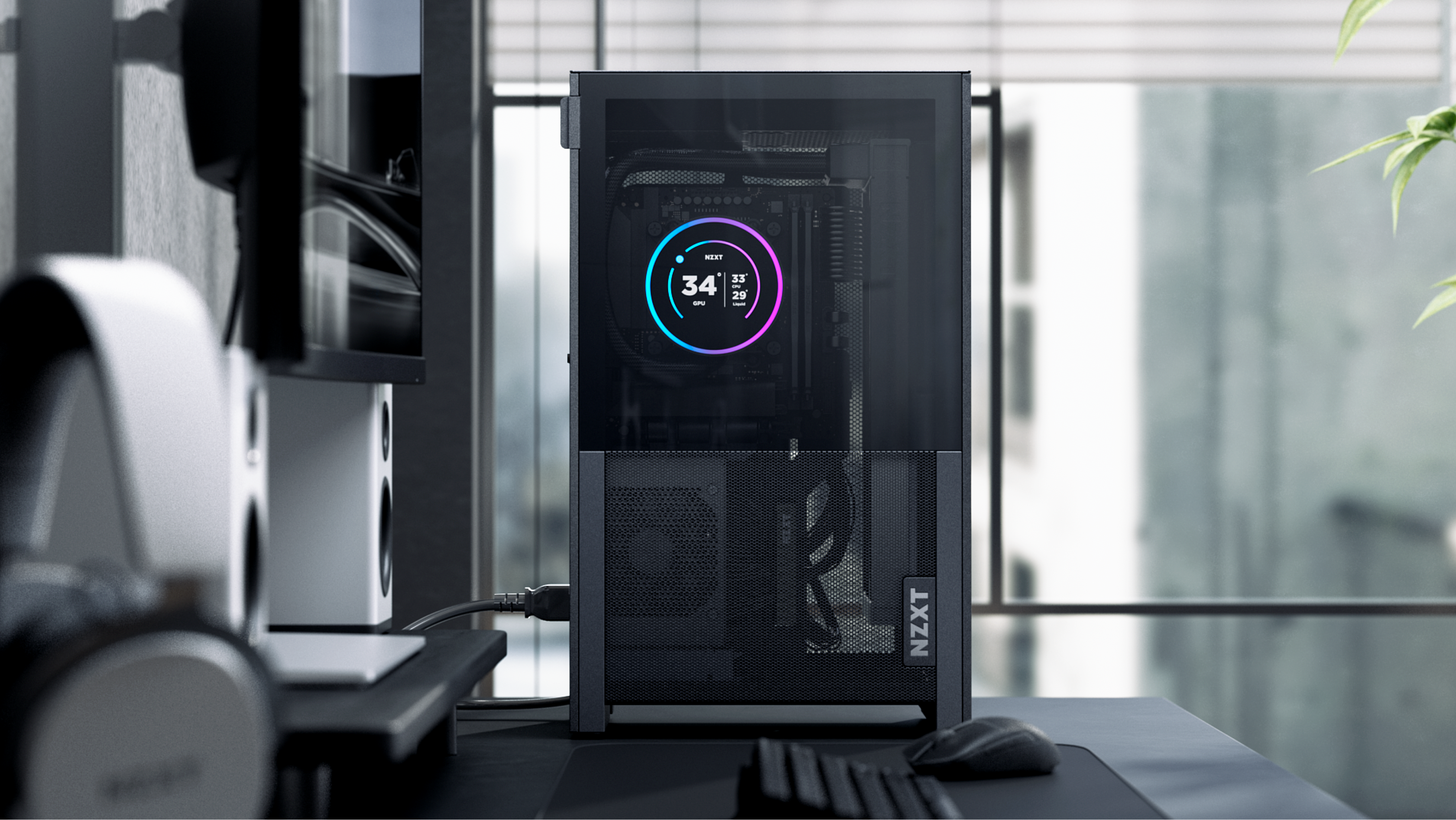
F420 RGB Core 420mm Single Frame RGB Fan Unit NZXT CAM F240 F280 F360 F420 RGB Core . Best Case Fans For Nzxt H6 Flow PC Case PC Explorers Best Case Fans For Nzxt H6 Flow PC Case . NZXT Gaming PCs Prebuilt Desktops PC Components FLEX Rentals Nzxt Intl Cat Cases 2026 04 23 . NZXT H7 Flow RGB Compact ATX Mid Tower PC Gaming Case High Airflow AC SL1000 . NZXT CAM 4 75 7 Bug Fixes Stability SFF H2 Flow H2 Mini PC C850 SFX 6bc6d3b2 40c0 479c B69b
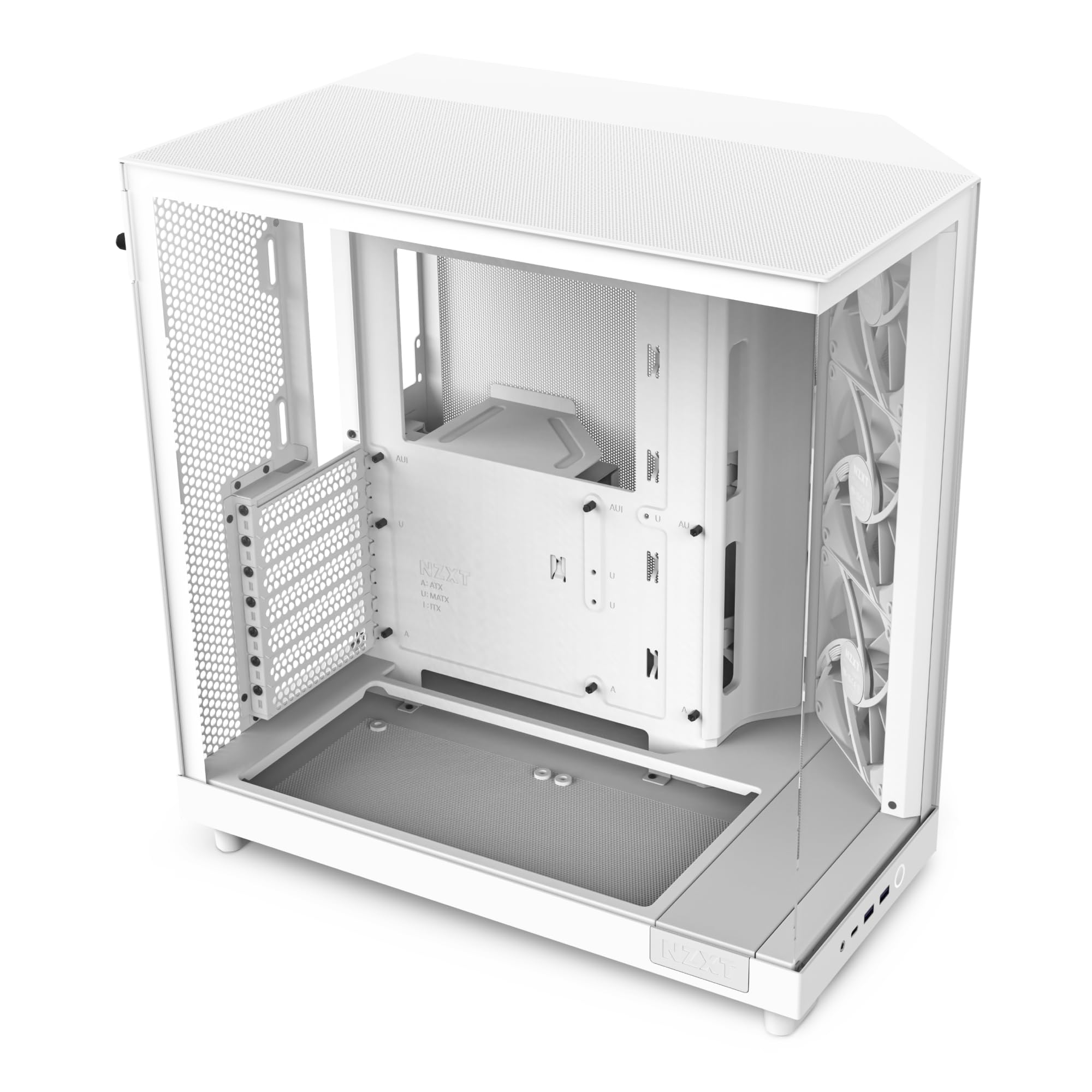
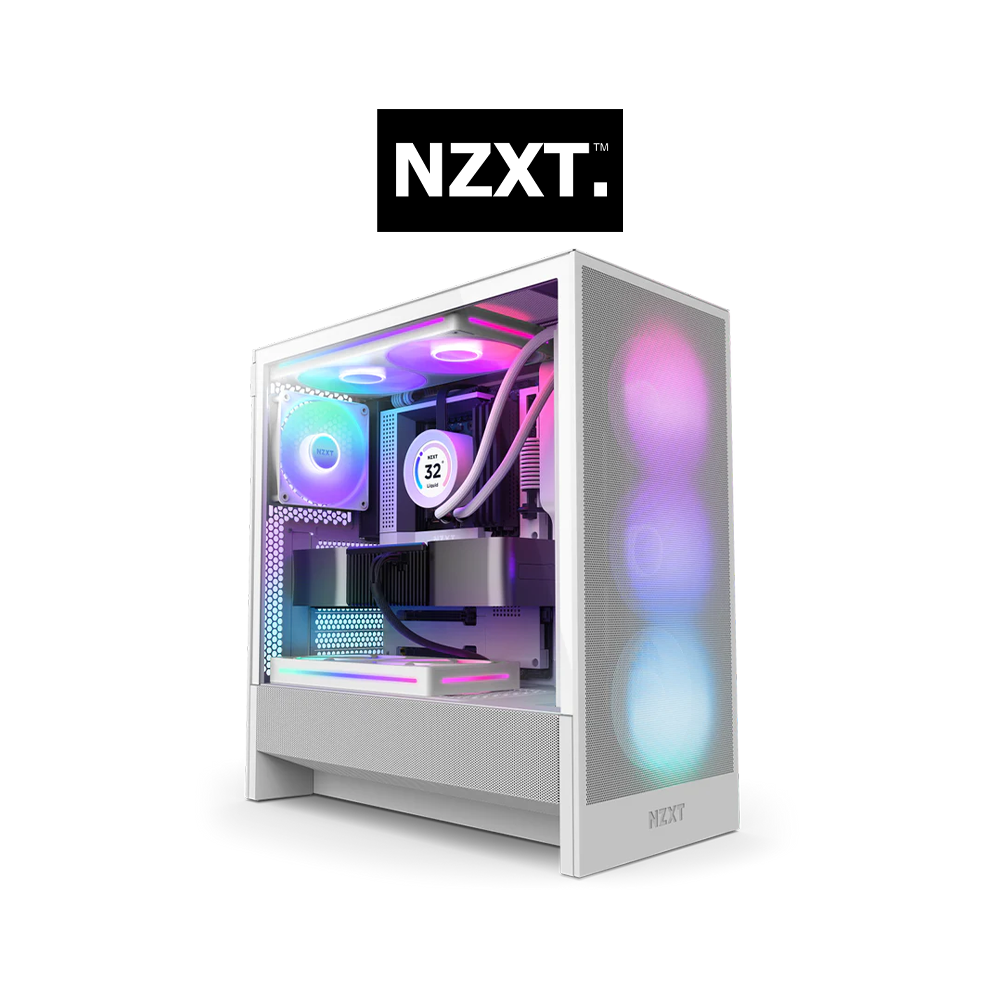
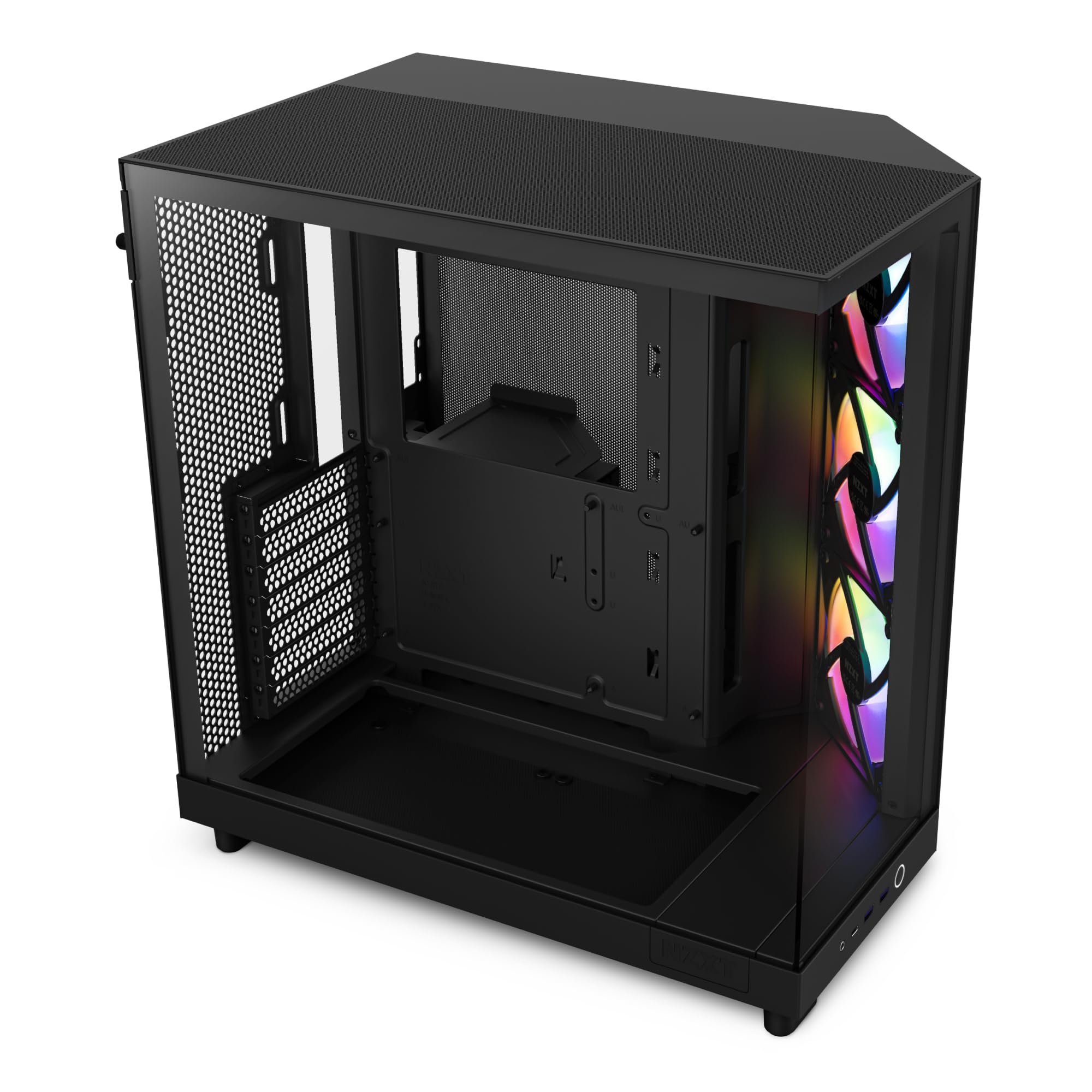

NZXT H6 Flow Case Review Ultimate Compact PC Build Solution In 2025 NZXT H6 Flow CC H61FW 01 Compact Dual Chamber Mid Tower Airflow Case Panoramic Glass Panels High Performance Airflow Panels Includes 3 X 120mm Fans Cable Management White . NZXT H5 Flow RGB WHITE 2024 Compact ATX Mid Tower Airflow Case With RGB NZXT H5 Flow RGB . NZXT H6 Flow RGB PC Case Review Ultimate Airflow Compact Design In NZXT H6 Flow RGB CC H61FB R1 Compact Dual Chamber Mid Tower Airflow Case Includes 3 X 120mm RGB Fans Panoramic Glass Panels High Performance Airflow Panels Cable Management Black 2 . NZXT PC Case Fans High Airflow RGB And Static Pressure Fans 3 Why NZXT Fans . NZXT PC Fan Family Explained A Fan For Every NZXTxIntel Partner Giveaway Blog Banner 1920x1080EN 1f53e632 9812 4a12 9665


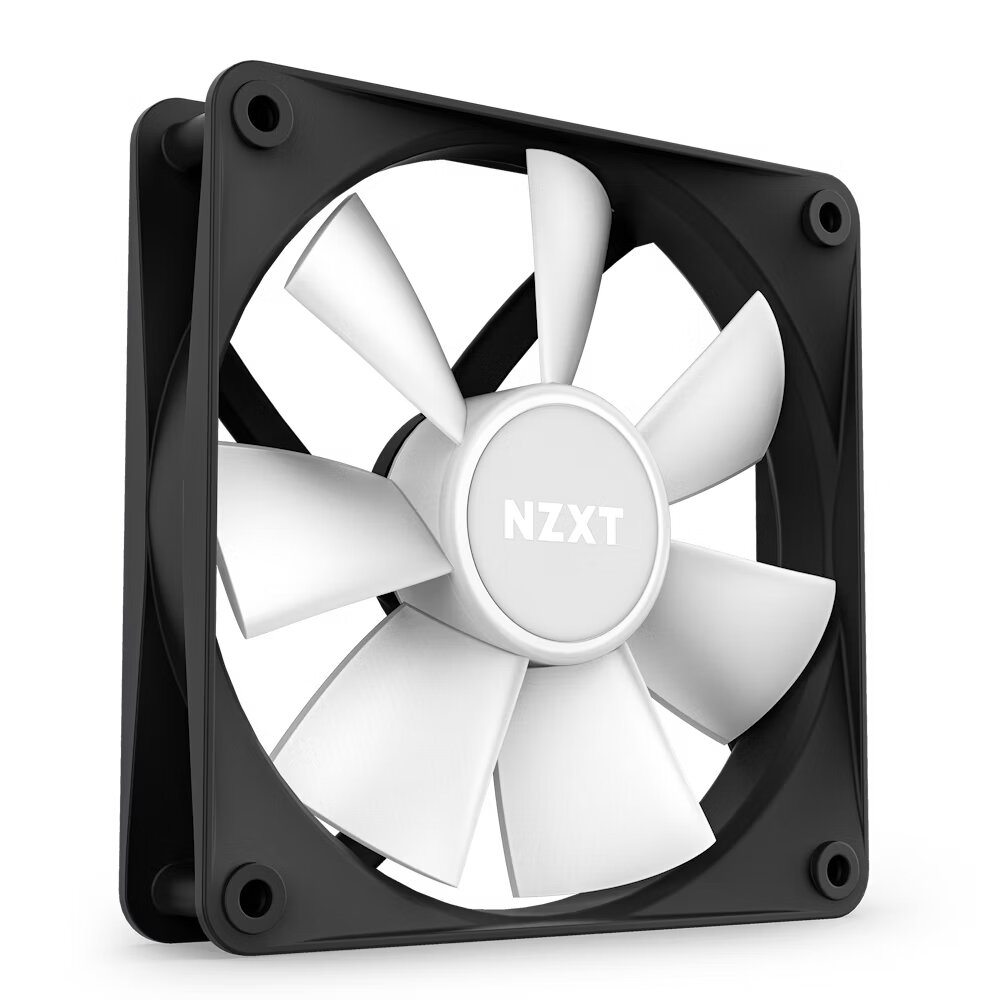
NZXT H5 Flow RGB Compact ATX Mid Tower PC Gaming Case High Airflow AC SL1500 . NZXT F120 RGB X3 Pack 120mm PC Cooling Fans Cooling Fans Rgb Fans White Pl Closeup Png . NZXT F120 RGB Core 120mm Cabinet Fans Triple Pack Black Case Fans NZXT F120 RGB Core 120mm Black Triple Pack 3 . NZXT Launches Performance Fan Series For Powerful Quiet And Refined Blog V2 EN 05cf8795 18d7 491a Bef6 . NZXT H6 Flow RGB Cristal Templado Negra Nzxt H6 Flow Rgb Cristal Templado Usb C 32 Negra.webp