Are you wondering what is 4K gaming PC and if it is truly worth the hype? Diving into 4K gaming opens up an incredible world of visual fidelity and immersive experiences. This comprehensive guide will walk you through everything you need to know about building, optimizing, and enjoying a top-tier 4K gaming rig. We will explore essential components, performance expectations, and common pitfalls to ensure your journey into ultra-high-definition gaming is smooth and spectacular. From understanding resolutions to selecting the perfect GPU, this article covers all bases for both new and experienced gamers. Discover how to conquer the demanding world of 4K gaming with expert insights and practical tips for maximizing your gameplay.
Related games- Roblox Track and Field Codes Guide 2024
- P2P Games Unpacked Your Ultimate Guide
- Top Free Steam Games Discover Your Next Favorite Adventure
What is 4K Gaming PC FAQ 2026 - 50+ Most Asked Questions Answered (Tips, Trick, Guide, How to, Bugs, Builds, Endgame)
Welcome to the ultimate living FAQ for what is 4K gaming PC, updated for the latest hardware and software advancements in 2026! Navigating the world of ultra-high-definition gaming can be tricky, with questions ranging from component choices to optimal settings and troubleshooting common issues. We have gathered over 50 of the most frequently asked questions about 4K gaming PCs, providing concise and honest answers, along with invaluable tips, tricks, and guides. Whether you are a beginner looking to dive in, an experienced builder optimizing your rig, or tackling endgame challenges, this comprehensive resource is designed to empower you. Stay informed on the newest builds, potential bugs, and how to maximize your immersive 4K experience with this essential guide.
Beginner Questions About 4K Gaming
What does 4K resolution actually mean for gaming?
4K resolution, or UHD (Ultra High Definition), refers to 3840x2160 pixels. This means your screen displays over 8 million pixels, four times more than standard 1080p Full HD. For gaming, it translates to incredibly sharp images, finer details, and a more immersive visual experience that truly brings virtual worlds to life on your monitor.
Is 4K gaming better than 1440p gaming?
While 1440p offers a great balance of performance and visuals, 4K gaming provides significantly superior clarity and detail. The difference is especially noticeable on larger monitors. However, 4K requires substantially more powerful hardware to achieve smooth frame rates compared to 1440p. It is a trade-off between visual fidelity and raw FPS.
What is the minimum GPU for enjoyable 4K gaming?
For enjoyable 4K gaming at decent frame rates (60 FPS), you would typically need at least an NVIDIA RTX 4070 Ti Super or AMD RX 7800 XT as a bare minimum. However, an RTX 4080 Super or RX 7900 XTX is recommended for consistently high frame rates in most modern titles. Anything less will struggle significantly.
Do I need a special monitor for 4K gaming?
Yes, you absolutely need a native 4K monitor. This means a display with a physical resolution of 3840x2160. Look for features like high refresh rates (120Hz or more), low response times (1ms), and adaptive sync technologies (G-Sync/FreeSync) to ensure the best possible 4K gaming experience. A standard 1080p monitor will not suffice.
Builds & Classes for 4K Rigs
What CPU is best for a high-end 4K gaming PC?
For a high-end 4K gaming PC, an Intel Core i7 14700K or i9 14900K, or an AMD Ryzen 7 7800X3D or Ryzen 9 7950X3D, are excellent choices. While the GPU is dominant, these CPUs prevent bottlenecks and ensure smooth background processes. They offer superb multi-core performance and strong single-core speeds, crucial for modern games.
How much RAM should a 4K gaming PC have?
A 4K gaming PC in 2026 should ideally have 32GB of DDR5 RAM. While 16GB might be sufficient for some titles, 32GB provides ample headroom for demanding games, multitasking, and future-proofing. Faster RAM speeds, like 6000MHz or higher, are also beneficial for overall system responsiveness and performance. It makes a noticeable difference.
Is water cooling necessary for 4K gaming components?
While not strictly necessary, high-quality AIO (All-In-One) liquid coolers are highly recommended for CPUs in 4K gaming PCs. Powerful GPUs often come with robust factory air coolers, but custom loop water cooling can further reduce temperatures and noise. Efficient cooling prevents thermal throttling, ensuring sustained peak performance during long gaming sessions.
Myth vs Reality: Do expensive motherboards improve 4K FPS?
Myth: An expensive motherboard does not directly improve your 4K FPS. Reality: A high-quality motherboard provides better power delivery, more stable overclocking potential, and superior connectivity. These factors indirectly contribute to a more stable and potentially faster system. Focus on your CPU and GPU for direct FPS gains.
Multiplayer Issues in 4K Gaming
Does 4K resolution increase input lag in games?
Running games at 4K resolution itself does not inherently increase input lag, but pushing your system to its limits to achieve smooth FPS at 4K can introduce latency. If your GPU struggles to maintain high frame rates, you might feel a delay. A powerful GPU and a low-latency 4K monitor are key to minimizing perceived lag in multiplayer. Optimize settings for stable FPS.
How does 4K gaming affect Ping and network performance?
4K gaming resolution has virtually no direct impact on your Ping or network performance. Ping is determined by your internet connection speed, server distance, and router quality. Your PC's ability to render 4K visuals is a local process. However, if your PC is struggling with FPS, it might feel like network lag due to overall system slowdowns. Ensure network drivers are current.
Myth vs Reality: Does 4K make competitive FPS harder?
Myth: 4K inherently makes competitive FPS harder. Reality: While 4K can reduce your maximum achievable FPS compared to lower resolutions, the enhanced clarity can sometimes help spot distant enemies. However, competitive players often prioritize very high frame rates (144Hz+) and minimal input lag, leading many to stick to 1080p or 1440p. It is a personal preference for visual fidelity versus raw speed.
Endgame Grind & Optimization for 4K
What are the best in-game settings for optimized 4K performance?
The best 4K settings involve balancing visual quality and FPS. Prioritize high texture quality and resolution. Then, selectively reduce demanding settings like shadows, global illumination, and complex anti-aliasing (e.g., from MSAA to TAA). Utilize DLSS/FSR for significant performance boosts. Experiment with each game; settings vary greatly. This ensures smooth FPS without major visual sacrifice.
How do pros optimize their 4K gaming settings in 2026?
Professional gamers often prioritize high refresh rates and low input lag, even in 4K setups. They carefully balance graphical fidelity with performance, often opting for lower shadow quality or reduced anti-aliasing to maintain consistent high FPS. Pros also use upscaling tech like DLSS/FSR to achieve competitive frame rates at higher resolutions. They meticulously fine-tune drivers and system settings for maximum stability and speed.
Tips for reducing stuttering and lag in 4K games.
To reduce stuttering and lag in 4K games, ensure your drivers are updated and your system components (GPU, CPU, RAM) are balanced. Monitor temperatures to prevent thermal throttling. Close background applications, enable G-Sync/FreeSync, and utilize game-specific optimization guides. Sometimes, a clean reinstallation of graphics drivers can resolve persistent issues. Lowering demanding settings will also often help.
Myth vs Reality: Is 4K gaming future proof in 2026?
Myth: 4K gaming is completely future proof. Reality: While 4K is the current high-end standard, technology constantly evolves. Future games will continue to demand more, and 8K is already emerging. However, a well-built 4K PC in 2026 will remain highly capable for many years. It represents a robust investment in high-fidelity gaming for the foreseeable future. Expect continuous refinement, not immediate obsolescence.
Bugs & Fixes in 4K Gaming
Why am I getting black screens or crashes in 4K games?
Black screens or crashes in 4K games often point to unstable GPU drivers, insufficient power supply, or overheating components. Ensure your graphics drivers are the latest WHQL version. Check your PSU wattage, as 4K gaming demands significant power. Monitor GPU temperatures. Reinstalling the game or verifying file integrity can also resolve corrupt file issues. Always check event logs for specific error codes.
How to troubleshoot low FPS (frames per second) in 4K games?
To troubleshoot low FPS in 4K games, first verify your graphics drivers are up-to-date. Reduce demanding in-game settings (e.g., shadows, anti-aliasing, ray tracing). Check for CPU or GPU bottlenecks using monitoring software. Ensure your power plan is set to 'High Performance'. Utilize DLSS/FSR if available. Verify your monitor is running at its intended refresh rate and that V-Sync is not causing issues.
Is a fresh Windows install beneficial for 4K gaming performance?
A fresh Windows install can often be beneficial for 4K gaming performance, especially if your system has accumulated bloatware, outdated drivers, or conflicting software. It provides a clean slate, ensuring only essential processes are running. This can lead to improved stability and potentially higher frame rates. It is a powerful troubleshooting step for persistent performance issues. Back up important data first.
Myth vs Reality: Does high-resolution textures cause game bugs?
Myth: High-resolution textures directly cause game bugs. Reality: High-resolution textures themselves typically do not cause game bugs. However, if your GPU lacks sufficient VRAM or your system cannot stream textures fast enough (e.g., from a slow HDD), it can lead to texture pop-in, visual glitches, or even crashes. This is a performance bottleneck, not a texture bug. Ensure your VRAM meets game requirements.
Connectivity & Peripherals for 4K
What type of cable do I need for 4K 120Hz gaming?
For 4K 120Hz gaming, you will need a DisplayPort 1.4 or HDMI 2.1 cable. DisplayPort 1.4 supports 4K up to 120Hz, while HDMI 2.1 supports 4K up to 144Hz (and even 8K). Ensure both your graphics card and monitor have the corresponding ports. Older cable versions will not support the necessary bandwidth for high refresh rate 4K. Quality cables matter.
Does a gaming mouse or keyboard impact 4K gaming?
While a gaming mouse or keyboard does not directly impact 4K resolution rendering, they significantly enhance the overall gaming experience. A high-DPI gaming mouse offers precision, crucial for FPS and MOBA titles. A responsive mechanical keyboard can improve reaction times. Good peripherals provide a competitive edge and comfort, making your 4K adventures more enjoyable. They are essential for a complete setup.
Future Outlook on 4K Gaming
Will 4K gaming become more accessible in the next few years?
Yes, 4K gaming is expected to become significantly more accessible in the next few years. As GPU technology continues to advance, the cost of powerful graphics cards capable of handling 4K will gradually decrease. Furthermore, upscaling technologies like DLSS and FSR will become even more refined, allowing mid-range hardware to deliver excellent 4K experiences. Expect wider adoption and more affordable hardware. This means more gamers can enjoy ultra-HD visuals.
What is the impact of next-gen consoles on PC 4K gaming?
Next-gen consoles like the PS5 and Xbox Series X, which target 4K gaming, indirectly push PC hardware manufacturers to innovate further. This competition drives the development of more powerful and efficient GPUs. Console optimization for 4K also often leads to better-optimized PC ports, benefiting PC gamers. It creates a rising tide that lifts all high-fidelity gaming experiences, pushing the boundaries of what is possible on any platform.
Still have questions about your 4K gaming PC setup? Check out our popular guides on 'Advanced GPU Settings for Max FPS' or 'Building Your First Custom Loop Water Cooling System!'Ever wondered, "What exactly is a 4K gaming PC, and why does everyone seem to be buzzing about it?" Well, friend, you have come to the right place. Imagine your favorite game, but with breathtaking clarity and detail that makes every pixel sing. This is the promise of 4K gaming, a realm where visuals transcend ordinary expectations.
We are diving deep into the world of ultra-high-definition gaming. This guide will reveal the secrets behind building and optimizing a powerful machine. You will learn about the crucial components and how to achieve buttery-smooth gameplay. Get ready to transform your gaming experience, making it more immersive than ever before. Let us unlock the true potential of your virtual adventures!
What is 4K Gaming PC The Ultimate Setup Guide for 2024
Understanding the 4K Gaming PC Experience
A 4K gaming PC is not just any computer; it is a meticulously crafted beast designed to render games at an astonishing 3840x2160 resolution. This resolution offers four times the pixel count of standard 1080p, delivering unparalleled visual fidelity. Think crisp textures, incredibly sharp edges, and a level of detail that brings virtual worlds to life. But achieving this visual feast demands serious hardware and smart optimization. It is about pushing your graphics card to its limits to display every intricate detail with precision.
Choosing the right components for a truly epic 4K gaming PC is essential. Your monitor, GPU, CPU, and even your RAM all play vital roles. Without proper balance, your expensive hardware might underperform, leading to frustrating FPS (frames per second) drop issues. Understanding the synergy between these parts helps prevent stuttering fix challenges. This guide offers the ultimate walkthrough for any aspiring 4K gamer.
Quick Facts About 4K Gaming
- Resolution: 3840 x 2160 pixels
- Pixel Count: Over 8 million pixels (4x 1080p)
- Ideal Refresh Rate: 120Hz or higher for smooth gameplay
- Required GPU Power: High-end, latest generation graphics cards
- Benefits: Superior visual clarity, enhanced immersion
The Core Components of a High-Performance 4K Gaming PC
Building a top-tier 4K gaming PC begins with selecting the right core components. These are the heart and soul of your machine, dictating its raw power and performance. Investing in the best hardware upfront can save you headaches later. Each piece works together to render those stunning 4K visuals flawlessly. Do not skimp on quality here; it is an investment in your gaming future.
The GPU The Unquestionable King of 4K Gaming
Let us be real: when it comes to 4K gaming, your graphics processing unit (GPU) is the undisputed star. It handles the immense workload of rendering millions of pixels every second. For fluid 4K performance, you are looking at top-tier cards like NVIDIA's RTX 4080 Super or RTX 4090, or AMD's Radeon RX 7900 XTX. These cards come with substantial VRAM, typically 16GB or more, which is absolutely crucial for high-resolution textures. Without a powerful GPU, your beautiful 4K monitor will mostly sit there, underutilized and sad.
The CPU Supporting Your GPU in 4K Gaming
While the GPU does most of the heavy lifting, a robust central processing unit (CPU) is still vital. It ensures that game logic, AI, and other background tasks do not bottleneck your powerful graphics card. An Intel Core i7 or i9 (13th or 14th gen) or an AMD Ryzen 7 or Ryzen 9 (7000 series or newer) provides ample processing power. You want a CPU that can feed data to your GPU quickly and efficiently. This prevents those annoying lag spikes and helps maintain consistent FPS (frames per second).
RAM and Storage The Speed You Need for 4K Gaming
For 4K gaming, 32GB of fast DDR5 RAM is highly recommended, especially for demanding modern titles and multitasking. More RAM helps with texture streaming and overall system responsiveness. As for storage, a speedy NVMe SSD is non-negotiable. Games will load in a flash, and texture pop-in will become a distant memory. Aim for at least 1TB, but 2TB or more is ideal for your growing game library.
The 4K Gaming Monitor Your Window to Another World
What good is a powerful PC without an equally impressive monitor? For 4K gaming, you need a true 4K monitor, preferably with a high refresh rate (120Hz or 144Hz) and low response time. Features like G-Sync or FreeSync are also incredibly beneficial, as they eliminate screen tearing and ensure a smooth visual experience. An OLED panel can offer breathtaking contrast and vibrant colors, making your games look unbelievably good.
Optimizing Your 4K Gaming PC for Maximum Performance
Having powerful hardware is only half the battle; optimizing your system is key to unlocking its full potential. Even with the best components, incorrect settings can lead to frustrating performance issues. We will dive into the essential steps for fine-tuning your 4K gaming PC. These tips will help you achieve the smoothest gameplay possible. Get ready to squeeze every bit of power from your machine!
Driver Updates and Settings Optimization for 4K
Always keep your graphics drivers up-to-date. NVIDIA and AMD frequently release optimized drivers for new games, offering significant performance improvements. Within your game settings, start by experimenting with graphical presets. Often, dialing back certain demanding settings like ray tracing, ultra shadows, or complex anti-aliasing can provide a huge FPS boost without sacrificing too much visual quality. This is where individual settings optimization becomes your best friend. Finding that sweet spot helps avoid a frustrating FPS (frames per second) drop.
Cooling Solutions Essential for Sustained 4K Performance
Running games at 4K resolution generates a lot of heat. An effective cooling solution for both your CPU and GPU is paramount. Consider a high-end air cooler or an all-in-one (AIO) liquid cooler for your CPU. Ensure your PC case has excellent airflow with multiple fans properly configured. Overheating can lead to thermal throttling, severely impacting performance and causing annoying stuttering fix scenarios. Keeping components cool extends their lifespan and maintains peak performance.
Overclocking for Extra 4K Gaming Power
For advanced users, carefully overclocking your GPU and CPU can provide a noticeable performance bump. This pushes your hardware beyond its factory settings. However, approach this with caution and proper research, as it can increase heat generation and potentially destabilize your system if done incorrectly. Always monitor temperatures and stability after any overclocking adjustments. Many guides and communities exist to help you safely explore this option.
The 4K Gaming Experience and What to Expect
So, you have got your beastly 4K gaming PC all set up. What is it actually like to game at this incredible resolution? Well, prepare for a visual feast, my friend. Every game takes on a new life with stunning detail and clarity. But it is not just about pretty pictures; it is about deeper immersion and a more refined gameplay feel. Understanding the nuances helps manage expectations and truly appreciate the upgrade. You will notice everything from texture clarity to subtle environmental details.
Immersion and Visual Fidelity in 4K
Playing an RPG like Cyberpunk 2077 or a Battle Royale like Call of Duty Warzone at 4K is truly transformative. The expansive landscapes, intricate character models, and detailed environments simply pop off the screen. You will notice textures you never saw before. It is not just a higher resolution; it is an entirely different level of visual immersion. This clarity draws you deeper into the game world, making every session more captivating. Even indie games can look stunning in 4K.
Managing FPS and Responsiveness in 4K
Achieving a consistent 60 FPS or higher in demanding titles at 4K can still be challenging, even with high-end hardware. Remember that higher resolution means more pixels to render. Some competitive FPS (First-Person Shooter) players might prefer lower resolutions for maximum frame rates. However, many casual and single-player gamers find the visual upgrade of 4K well worth a slightly lower frame rate. Modern GPUs and technologies like DLSS (NVIDIA) or FSR (AMD) can smartly boost performance. These clever tools render the game at a lower internal resolution and then upscale it. This gives you near-native 4K quality with a significant FPS boost.
What Others Are Asking?
Is 4K gaming really worth the investment?
Many gamers consider 4K gaming absolutely worth it for the incredible visual fidelity and immersion it offers. The jump in clarity and detail from 1080p or 1440p is dramatic. While expensive, it delivers a premium experience for those who prioritize stunning graphics. It truly transforms how you interact with virtual worlds, making them feel more real.
What is the most crucial component for a 4K gaming PC?
The graphics card (GPU) is by far the most crucial component for a 4K gaming PC. It shoulders the immense workload of rendering millions of pixels at such high resolutions. Investing in a top-tier GPU like an RTX 4080 Super or RX 7900 XTX is essential for smooth performance. Without a powerful GPU, other components will be bottlenecked.
Can my existing PC be upgraded for 4K gaming?
It depends on your current system. If you have a relatively modern CPU (Intel i7/Ryzen 7 or better) and sufficient RAM (32GB DDR4/DDR5), upgrading just your GPU might suffice. However, older PCs will likely require a full overhaul, including a new motherboard, CPU, RAM, and power supply. Always check for compatibility before buying new parts.
How much RAM do I need for 4K gaming in 2024?
For optimal 4K gaming in 2024, 32GB of DDR5 RAM is highly recommended. While some games might run with 16GB, 32GB ensures smoother performance, especially for future titles and multitasking. It helps with texture streaming and prevents potential bottlenecks. Fast RAM complements a powerful GPU very well.
Does 4K gaming negatively impact my GPU's lifespan?
Running your GPU at higher loads for 4K gaming generates more heat, but it does not inherently 'negatively impact' its lifespan if properly cooled. Modern GPUs are designed to handle sustained loads within their thermal limits. Ensure good case airflow and efficient cooling solutions. Overheating causes damage, not simply high usage.
Tips and Tricks for the Aspiring 4K Gamer
Conquering the world of 4K gaming involves more than just raw power. It is about smart choices and clever adjustments. Here are some actionable tips to ensure your 4K adventures are as smooth and breathtaking as possible. These suggestions cover everything from settings to hardware maintenance. Embracing these practices will enhance your overall experience.
- Utilize Upscaling Technologies: Leverage NVIDIA DLSS or AMD FSR whenever available in games. These technologies dramatically boost FPS with minimal visual compromise.
- Monitor Your Temps: Keep an eye on your CPU and GPU temperatures using monitoring software. High temps lead to throttling and performance loss.
- Prioritize Settings: Shadows, anti-aliasing, and global illumination are often the most demanding settings. Try reducing them first for a quick FPS gain.
- Clean Your PC: Dust buildup severely impacts cooling efficiency. Regular cleaning of fans and heatsinks is crucial.
- Consider a High Refresh Rate: While 4K is demanding, a 120Hz or 144Hz monitor provides a noticeably smoother experience, even if you do not always hit those frames.
- Invest in a Good PSU: A stable and sufficiently powerful power supply unit (PSU) is vital for high-end components.
Common Mistakes and How to Avoid Them in 4K Gaming
Even seasoned gamers can make missteps when venturing into the demanding world of 4K. Avoiding these common pitfalls will save you frustration and money. Learn from others' experiences to ensure your journey into ultra-HD gaming is seamless. A little foresight goes a long way in this high-fidelity realm. Being prepared means more playtime and less troubleshooting.
Ignoring Bottlenecks in Your 4K Gaming PC
A common mistake is focusing solely on the GPU while neglecting the CPU or RAM. A weaker CPU can bottleneck even the most powerful GPU. Ensure a balanced system where all components can keep up with each other. This prevents a powerful graphics card from waiting on slower parts. Always research component compatibility and performance before purchase.
Underestimating Cooling Requirements for 4K Gaming
High-resolution gaming generates significant heat. Many gamers underestimate the cooling solutions needed for a 4K gaming PC. An inadequate cooler or poor case airflow will lead to thermal throttling, reducing performance. Invest in quality cooling to maintain optimal temperatures and consistent FPS (frames per second). Do not let your powerful rig bake itself!
Not Optimizing In-Game Settings for 4K
Even with top-tier hardware, some games might not run at a perfect 60 FPS on 'Ultra' 4K settings. Do not be afraid to adjust specific settings to find your sweet spot. Dropping shadows from 'Ultra' to 'High' can provide a substantial FPS boost with minimal visual difference. Experimentation is key to finding the perfect balance for your system. This proactive approach helps avoid constant FPS (frames per second) drop frustration.
The Future of What is 4K Gaming PC
The landscape of 4K gaming is constantly evolving, with new technologies emerging all the time. What does the future hold for these incredible machines? Expect continued advancements in GPU power and efficiency, making 4K gaming more accessible. Display technology will also keep improving. We will see even higher refresh rates and better panel types. The journey towards perfectly rendered virtual worlds continues.
Advancements in Hardware and Software for 4K Gaming
We can anticipate even more powerful GPUs from NVIDIA and AMD, with greater VRAM and improved ray tracing performance. CPUs will become more efficient, reducing bottlenecks further. Software solutions like DLSS and FSR will also continue to evolve, offering even better upscaling quality and performance gains. DirectX 12 Ultimate and future APIs will unlock new graphical possibilities. This steady progression means 4K gaming will only get better and smoother. Technologies like AI integration will also play a larger role in rendering.
8K Gaming on the Horizon for PC Gamers
While 4K gaming is the current pinnacle for most, 8K gaming is already on the horizon for those pushing the absolute limits. Requires immense processing power. Future GPUs will slowly make this ultra-resolution more viable. For now, 4K remains the sweet spot for a balance of visual fidelity and achievable performance. However, prepare for an eventual transition to even higher pixel counts. The cycle of technological advancement never truly stops.
Key Highlights: To achieve stellar 4K performance, invest in a powerful GPU like an RTX 4080 Super or RX 7900 XTX. Pair it with a fast CPU (Ryzen 7, Intel i7 or better) and 32GB of DDR5 RAM. A high refresh rate 4K monitor is crucial. Optimize in-game settings by adjusting shadows and anti-aliasing. Tips include updating drivers, ensuring proper cooling, and using an SSD. Pros: Unmatched visual detail, immersive experience. Cons: High cost, demanding hardware, potential for lower FPS without optimization. Codes for specific game settings often involve reducing texture quality or shadow resolution for a performance boost.
35
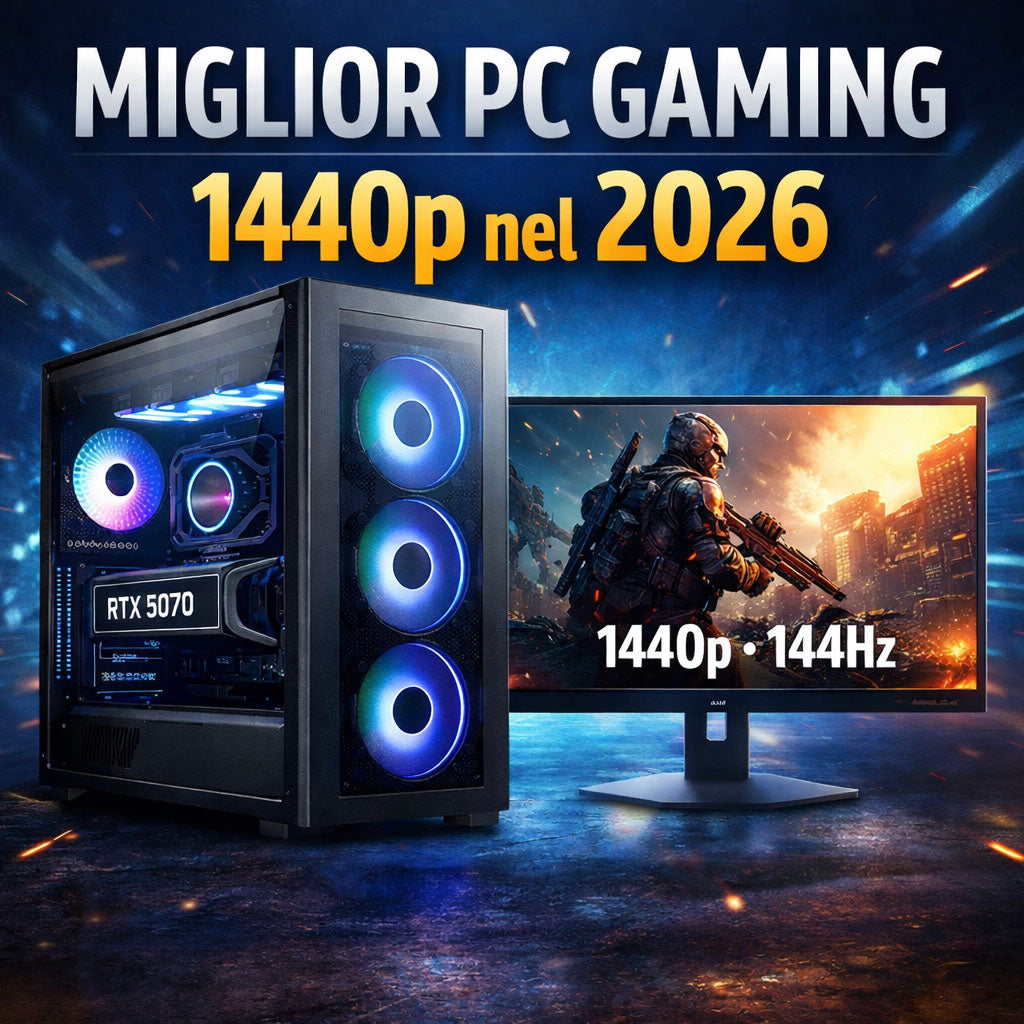
Best Games To Play On A 4K Gaming PC In 2026 GamerTech Toronto Best Games To Play On A 4K Gaming PC In 2026 . 8 Best Gaming PCs For 4K Gaming March 2026 Tested Featured Image Dnitf4z7 . Best 4K Gaming PC Canada 2026 What 4K 120 Actually Costs May 2026 2 2a5588fd 4b72 4cc4 Aed5 . Ultimate 4K Gaming PC Build For True 4K Play Gemini Generated Image . Miglior PC Gaming 1440p 2026 Guida Completa E Consigli Reali Zendia Miglior PC Gaming Per Giocare In 1440p Nel 2026 C1675c40 4507 4bb3 A690

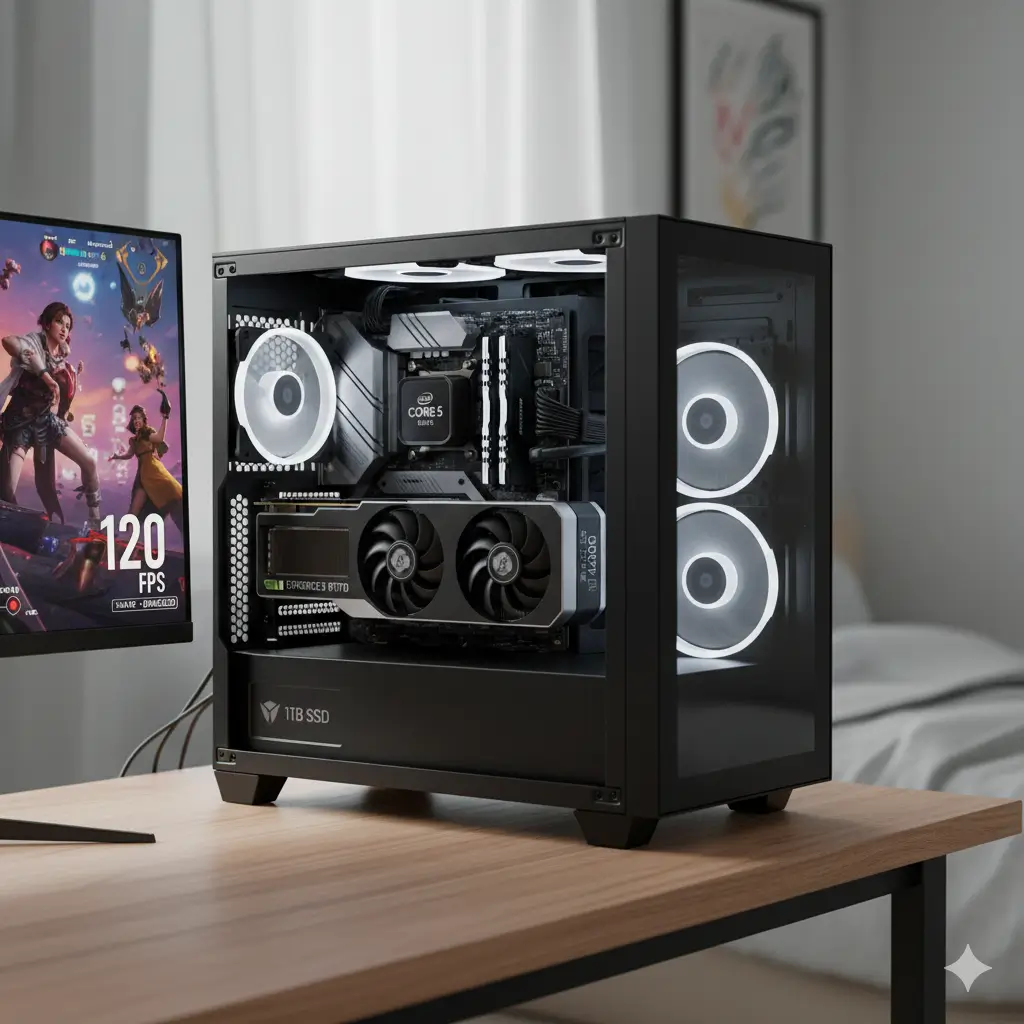
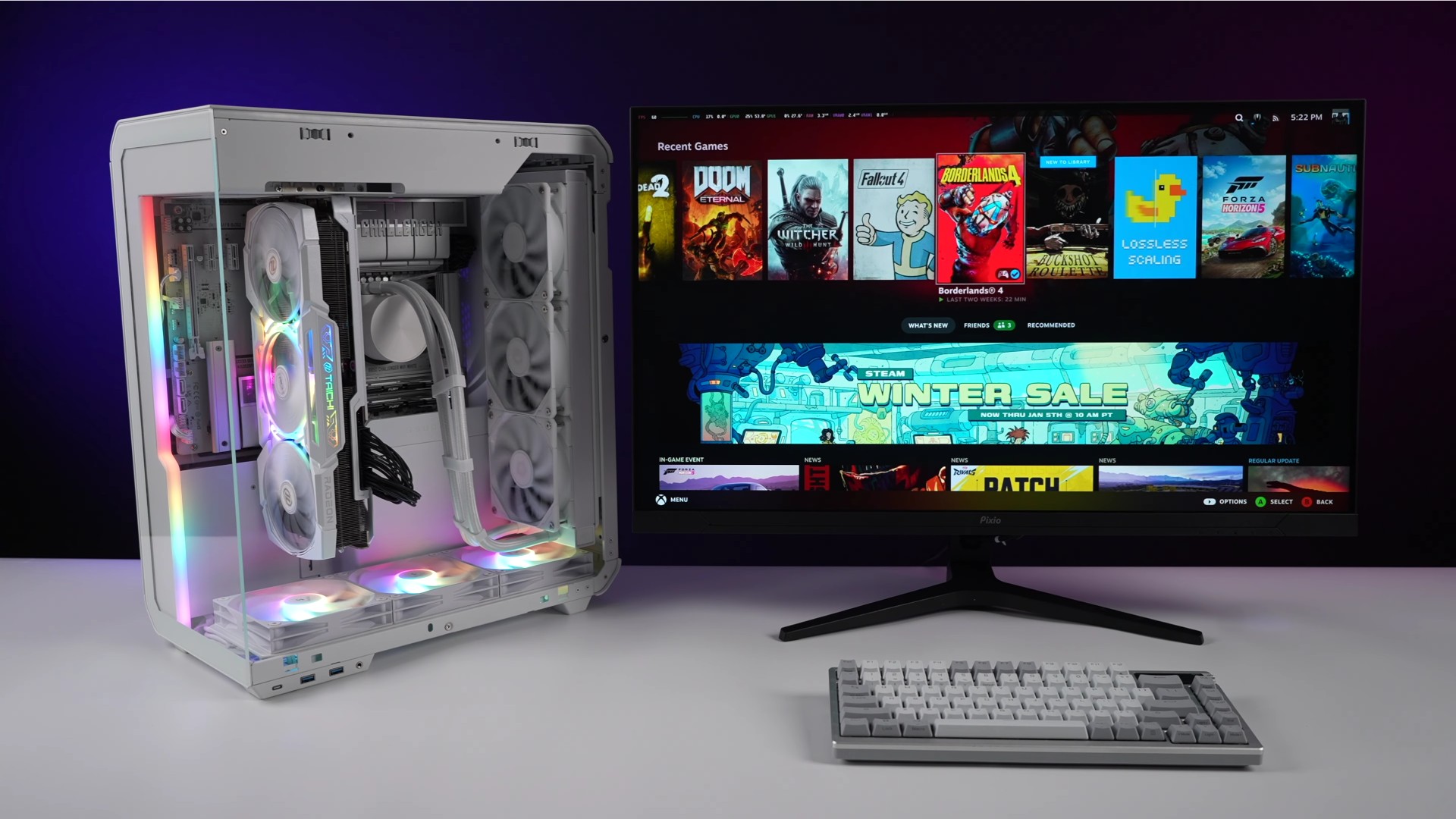
Best 120Hz 4K TV 2026 Screens For New Consoles And PC GamesRadar . Best 4K Gaming PC Build 2026 For Every Budget YouTube . Can You Really Build The Best 500 Gaming PC The Budget Gaming Pc 2026.webp. Asus Latest OLED Gaming Monitor Can Hit 720 Hz At HD Resolution Dual . SteamOS Keeps Up With Windows In Latest PC Gaming Benchmarks Including AMD Desktop Gaming PC With Monitor Running SteamOS


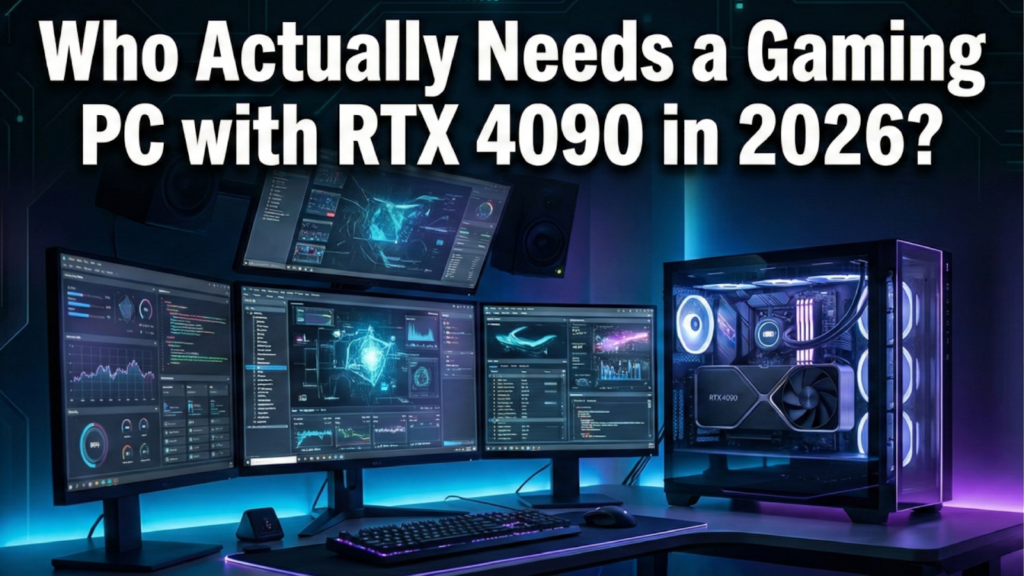
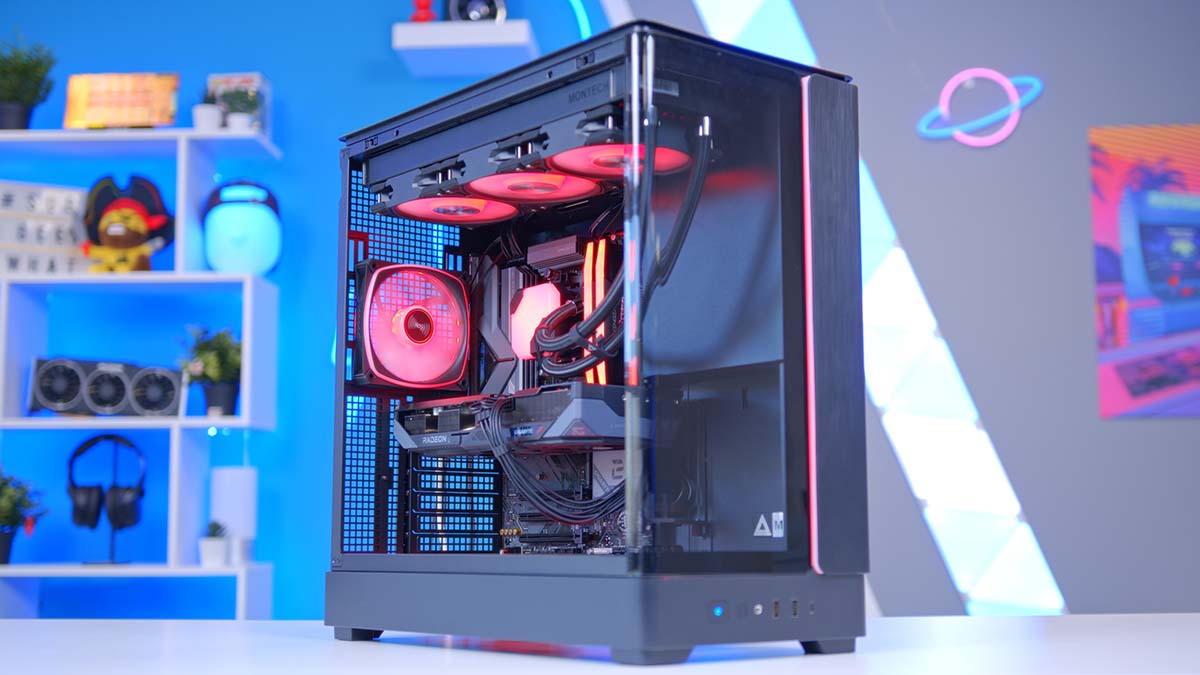
Best Prebuilt Gaming PC 2026 1440p 4k Budget Best Gaming PC . 2026 4K Gaming Monitors GPU Balance And Best Settings 2 3 1 . Gaming Desktop PC Guide 2026 Build The Ultimate Gaming Setup 2 2 3 . Who Actually Needs A Gaming PC With RTX 4090 In 2026 Debsllc Image 1 1024x576 . Building An Affordable 4K Gaming PC In 2026 GeekaWhat FI DM86 Montech King 45 Pro RX 9070


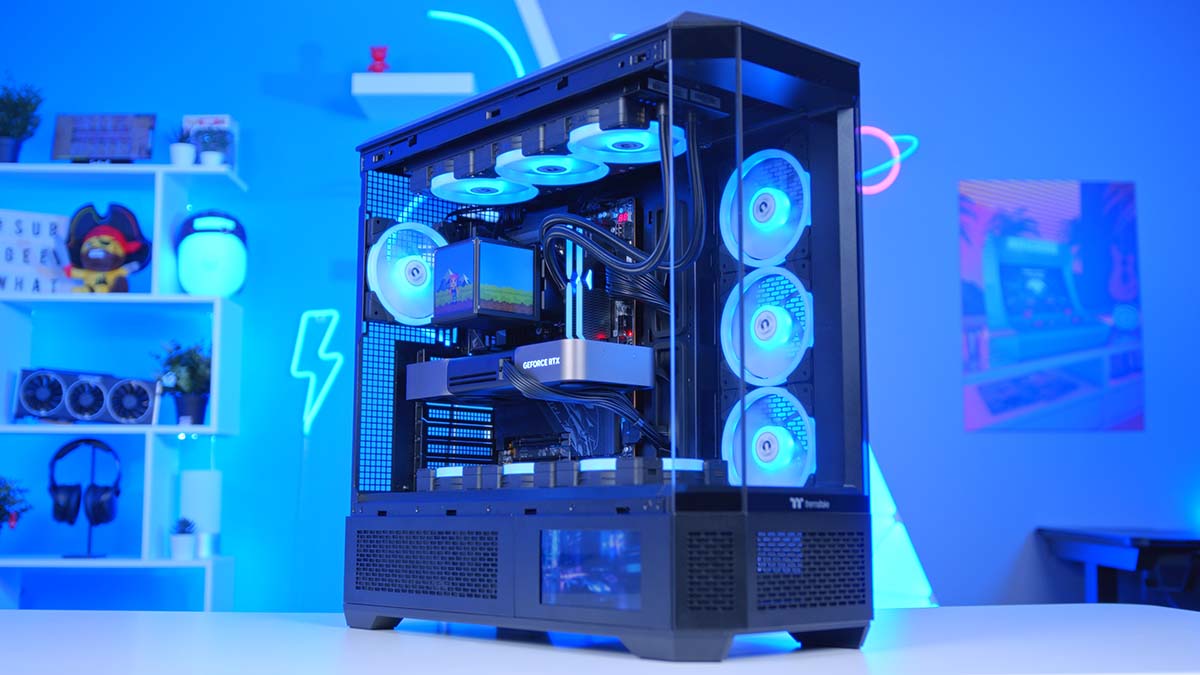
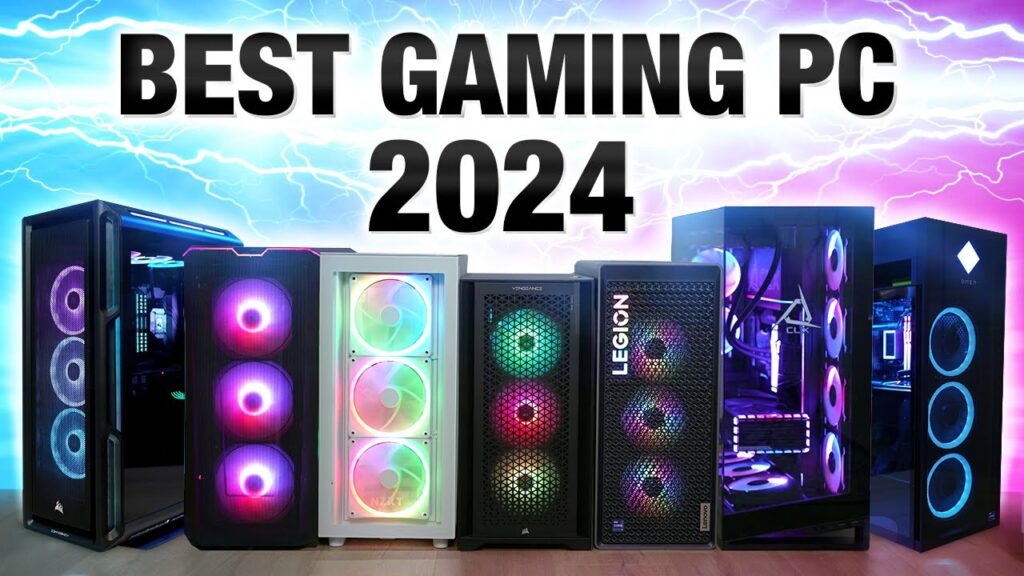
Don T Miss The Chance To Grab This RX 9070 XT 4K Gaming PC With 32GB Skytech Gaming Chronos 3 . Best Prebuilt Gaming PC 2026 For Esports AAA And Streaming Gamer Org A Sleek Youtube Thumbnail Design With Bo Z5fskbADS9 PZy23Rqs Zg NA9Dn G 780x438 . Best Gaming PC Builds For 2026 Best Gaming PC Builds For 2026.webp. Building A 4K Gaming PC Build For 2026 GeekaWhat FI DM82 TT MineCUBE Build . What Was The Top PC Gaming Experience Best PC For Gaming 2024 1024x576
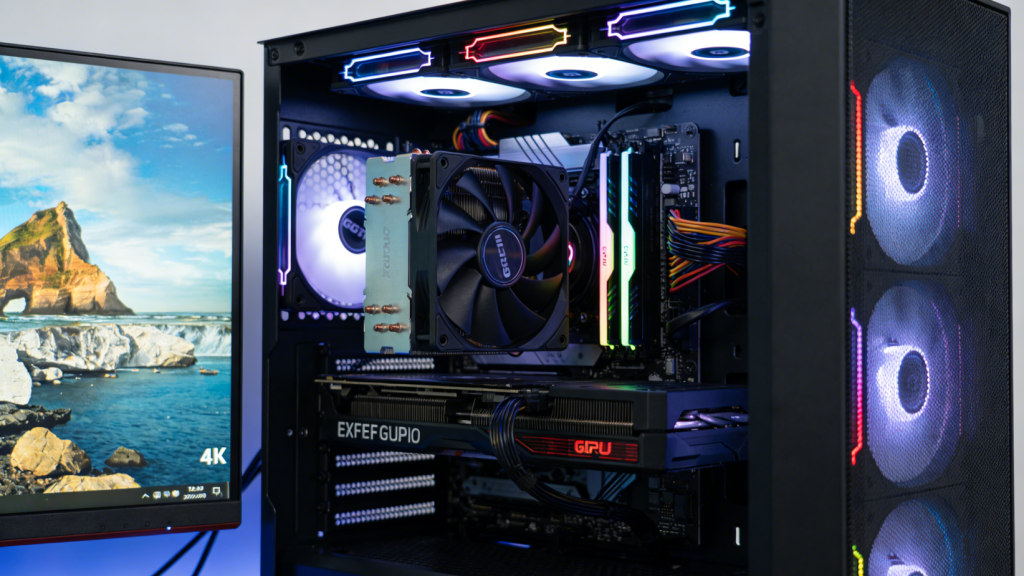




2026 4K Gaming Monitors GPU Balance And Best Settings 4 3 1 1024x576 . How To Optimize Your Gaming PC For 2026 Way Of The Dogg What Is The Fastest Way To Optimize A Gaming PC In 2026 . 12 Best 4K Gaming PC 2026 Expert Reviews Comparisons Featured Image Xiv0tggp 300x210 . 4K Gaming PC Guide 2026 Best GPU CPU 4K Monitors AWD IT 4K GAMING . Best Gaming Computer For Sims 4 2026 Budg Gaming PC Guru 50916
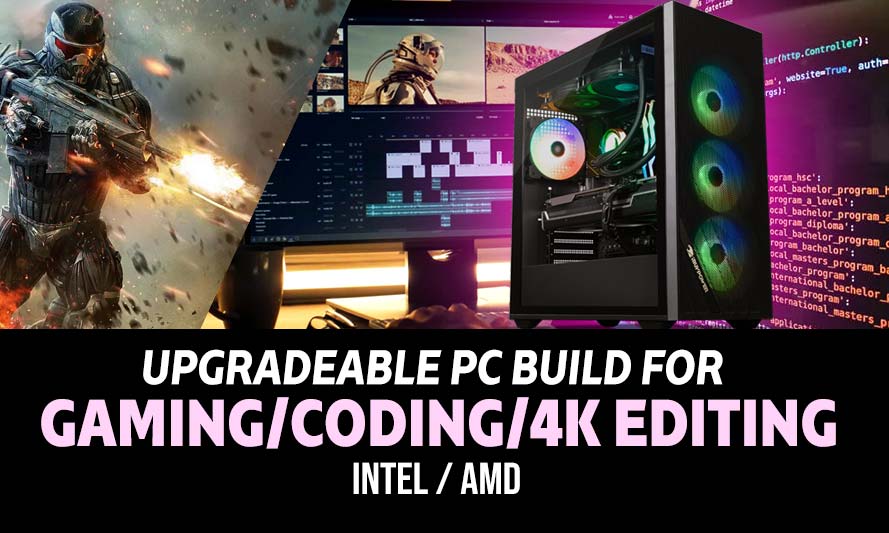

8K Gaming In 2026 Is It Real And What Do You Need 8k Gaming 2026 Build Worth It 07 . Best PC Parts For Upgradeable Desktop For Coding 4K Video Editing And PC Build For Coding Gaming 4K Video Editing . 1080p Vs 1440p Vs 4K Resolution Gaming In 2026 Image . Top 10 Most Anticipated Games Of 2026 What To Watch Out For TVN GAMES IN 2026 . Best 4K Gaming Monitors In 2026 The Ultra Hi Res Panels I Highly

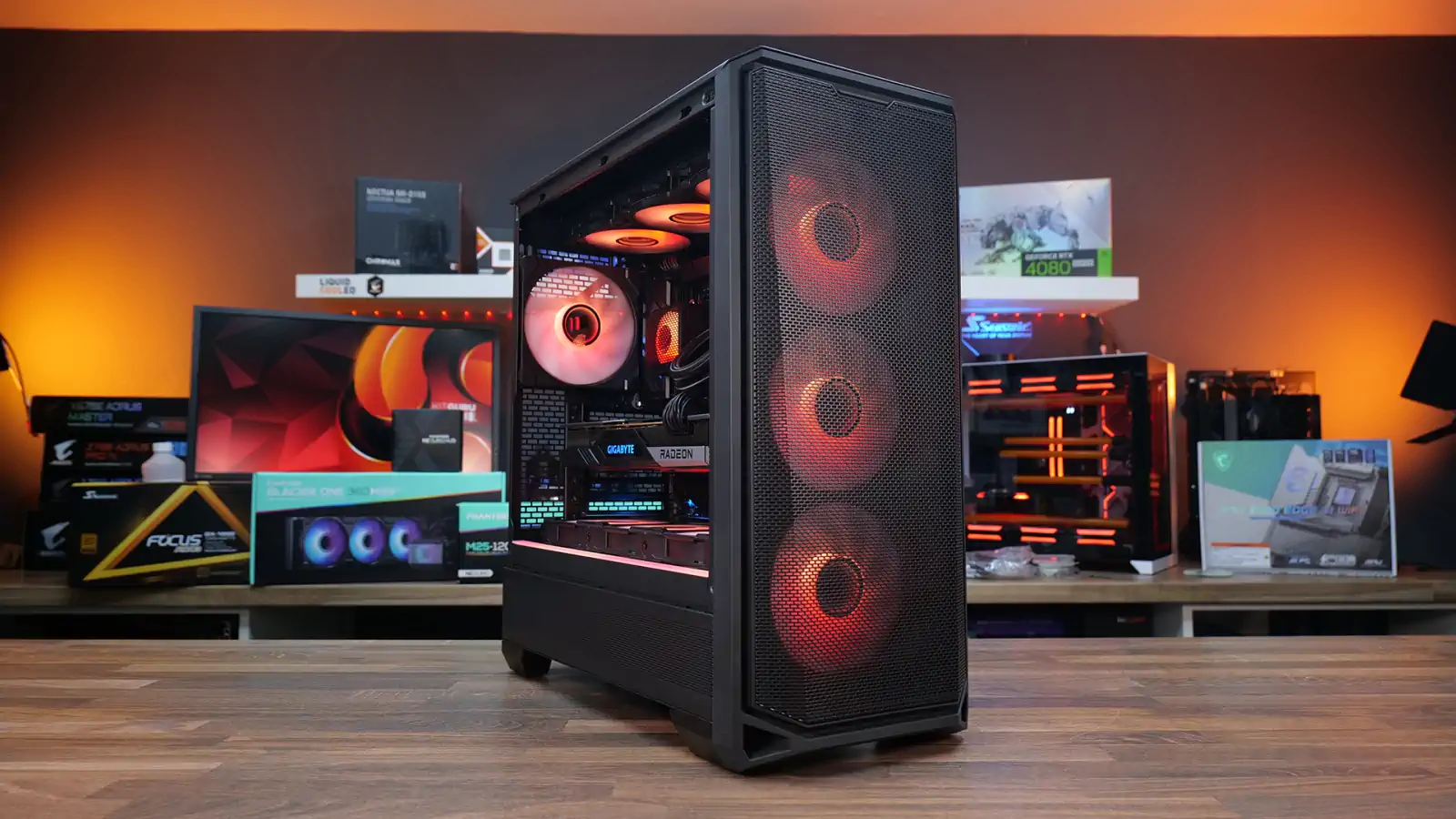

10 Best Prebuilt Gaming PCs For 4K Gaming April 2026 Top Tested Best Prebuilt Gaming PCs For 4K Gaming 1024x559 . 4K Gaming PC Guide 2026 Best GPU CPU 4K Monitors AWD IT Untitled 1 Upscayl 1x Upscayl Lite 4x 1 . Building A 4K Gaming PC Build For 2026 GeekaWhat MPI DM82 TT MineCUBE Montage 9 . Best Budget AMD Ryzen CPUs For Gaming In 2025 Top Picks Pc Gamer Intel 14 Nvidia Rtx 5060.webp. What Are The Must Have PC Gaming Essentials Today Gaming Pc