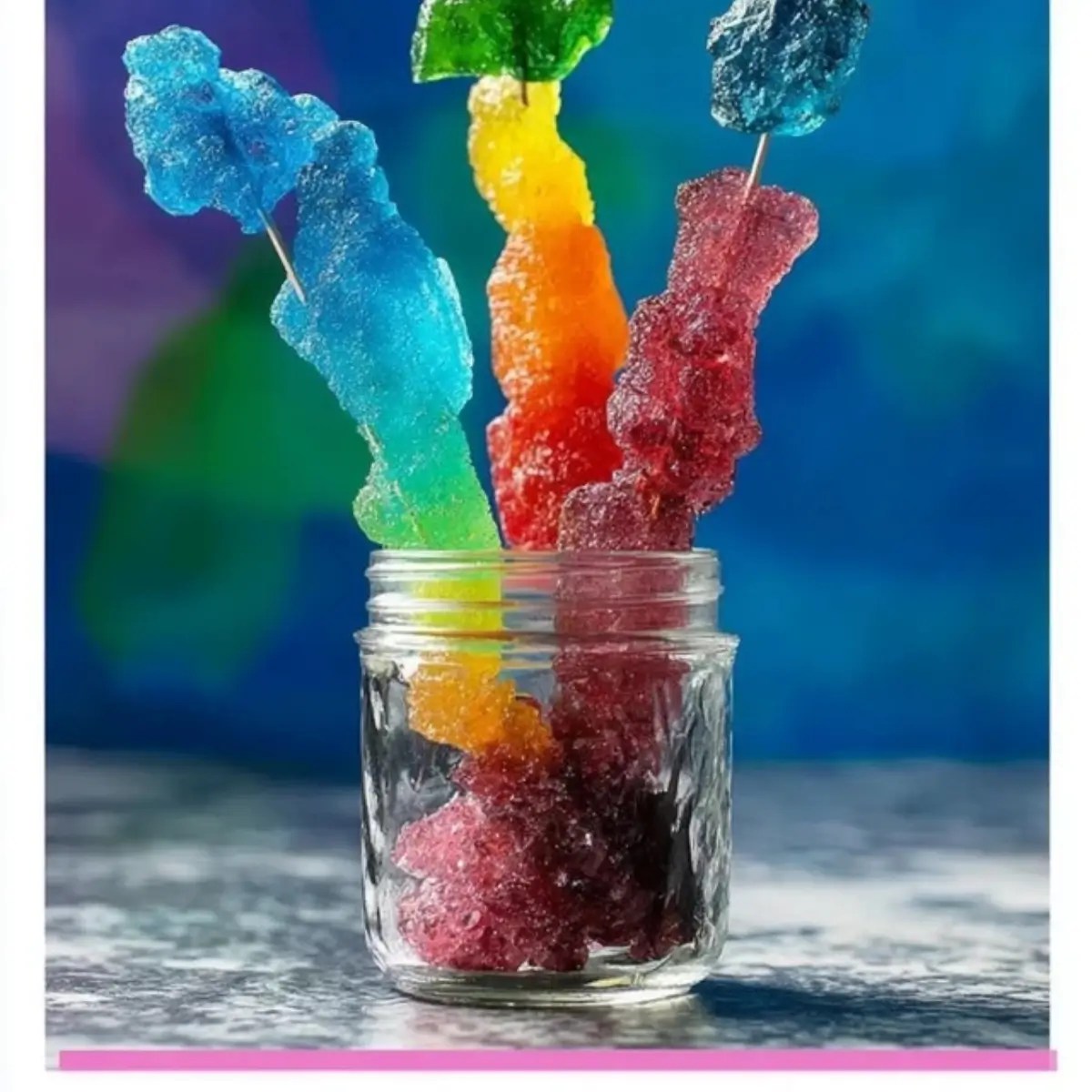
recipes for rock candy FAQ 2026 - 50+ Most Asked Questions Answered (Tips, Trick, Guide, How to, Bugs, Builds, Endgame)
Welcome, fellow sweet tooths and home scientists! The world of rock candy making is buzzing in 2026, with more people than ever discovering the joy and satisfaction of growing their own edible crystals. This comprehensive FAQ is your ultimate living guide, meticulously updated for the latest tips, tricks, and scientific insights to ensure your rock candy endeavors are nothing short of spectacular. Whether you are a curious beginner, a seasoned crafter troubleshooting a sticky situation, or an innovator looking for advanced techniques, we have got you covered. Dive in and unlock the secrets to perfectly shimmering, deliciously flavored rock candy every single time!
Getting Started with Rock Candy
What is the basic recipe for homemade rock candy?
The fundamental recipe for rock candy involves dissolving a large amount of granulated sugar in hot water to create a supersaturated solution. A common ratio is two cups of sugar to one cup of water. Heat the mixture until all sugar dissolves, then let it cool slowly with a seeded string or stick submerged. Crystals will form over several days as the water evaporates. This simple combination is your starting point for sweet success.
How do you prepare the string or stick for rock candy growth?
To prepare your growth medium, first dip your chosen string or stick into the hot sugar solution. Immediately roll it in dry granulated sugar, ensuring a good coating. Let this dry completely overnight. These initial sugar crystals act as 'seeds,' providing a rough surface for the larger rock candy crystals to latch onto and grow, significantly improving your yield and crystal size.
Myth vs Reality: Does adding more sugar make it grow faster?
Myth: Just adding more sugar does not inherently make crystals grow faster if it is not properly dissolved. Reality: While a highly supersaturated solution (with lots of dissolved sugar) is crucial for crystal growth, merely dumping in extra undissolved sugar can actually hinder the process by creating cloudy solutions or premature crystallization on the bottom. Proper dissolution is key.
Troubleshooting Your Crystals
Why is my rock candy not forming crystals?
Rock candy fails to form crystals usually due to an insufficiently supersaturated sugar solution or too much disturbance during the growth period. Ensure you have dissolved at least two parts sugar to one part water, heating until no grains remain. Also, place your container in a stable, undisturbed location to allow slow, consistent evaporation and crystal attachment. Patience is vital for success.
Why are my rock candy crystals cloudy or small?
Cloudy or small rock candy crystals often result from rapid cooling of the sugar solution or impurities in the water or container. Allow the solution to cool very slowly and undisturbed. Using distilled water and impeccably clean jars helps prevent cloudiness. Many small crystals usually mean the solution cooled too fast, prompting many nucleation points simultaneously. Slower cooling encourages larger, clearer crystals.
Flavor and Color Variations
What is the best way to add color to rock candy?
The best way to add color to rock candy is by using gel food coloring. Gel colors are highly concentrated, meaning you need very little to achieve vibrant hues. Unlike liquid food coloring, they do not add significant extra water to your supersaturated sugar solution. This helps maintain the precise sugar-to-water ratio crucial for successful crystal growth, ensuring your candy is both colorful and perfectly formed.
Can I use any flavoring for rock candy?
You should primarily use water-based extracts for flavoring rock candy. Oil-based flavorings or extracts (like some candy oils) do not mix well with the water-based sugar solution. They can create an undesirable cloudy appearance or even interfere with the delicate crystal formation process. Always add flavorings after the sugar is fully dissolved but before the solution cools significantly to ensure even distribution. This method ensures both deliciousness and clarity.
Advanced Rock Candy Techniques
Myth vs Reality: Does stirring the solution help crystal growth?
Myth: Stirring or agitating the solution helps crystal growth. Reality: Stirring the solution after initial preparation is generally detrimental to growing large, clear rock candy crystals. Any disturbance can dislodge forming crystals or introduce nucleation sites where you do not want them, leading to many small, malformed crystals instead of beautiful, large ones. Let the crystals grow in peace.
Endgame Tips for Perfect Rock Candy
How do you store homemade rock candy to keep it fresh?
Store homemade rock candy in an airtight container at room temperature. Exposure to air and humidity can cause the candy to become sticky or even dissolve over time. Keep it away from direct sunlight and excessive heat. Properly stored, your rock candy can maintain its crystalline structure and deliciousness for several weeks, making it a wonderful treat to enjoy or share. Always aim for a cool, dry place.
What are some creative uses for homemade rock candy?
Homemade rock candy is incredibly versatile! Beyond simply eating it, you can use it as an elegant stirrer for hot beverages like tea or coffee. It makes beautiful edible decorations for cakes and cupcakes, adding sparkle and a sweet crunch. Consider gifting personalized flavors and colors in attractive jars. Rock candy also provides a fantastic visual element for dessert tables, transforming ordinary treats into extraordinary displays. Get creative and enjoy your shimmering creations!
Still have questions? Check out our other popular guides on advanced sugar craft and edible science experiments!
rock candy recipe, homemade rock candy, how to make rock candy, rock candy crystals, rock candy ingredients, DIY rock candy, rock candy flavors, best rock candy recipe, easy rock candy, rock candy science, sugar crystal growing, rock candy sticks, simple candy making, rock candy guide, rock candy tutorialEver wondered how those dazzling rock candy crystals form right in your own kitchen? This comprehensive guide for 2026 dives deep into the art and science of crafting perfect rock candy. You will learn everything from simple ingredients to advanced crystal growth techniques. Discover how easily you can transform basic sugar water into beautiful, edible gems. We cover essential tips for vibrant colors and exciting flavors. This trending informational resource ensures your homemade rock candy project is a sweet success every single time. Get ready to embark on a delightful culinary adventure. Making your own rock candy becomes a fun and rewarding experience for everyone. This guide provides all the navigational information you need.
Have you ever looked at those shimmering rock candy crystals and thought, how do they even make that? Many people ponder this very question. It appears almost magical how sugar transforms into such intricate, beautiful formations. Yet, creating your own rock candy at home is a surprisingly simple and deeply rewarding process. It is a fantastic project for aspiring confectioners and curious minds alike. This guide will walk you through everything, making you a rock candy master by the end of it. We are talking about crystal clear instructions and plenty of insider tips for success.
Think of this as your ultimate quest log for crafting the perfect sugar gems. In 2026, home science experiments like this are enjoying a massive surge in popularity. People are seeking fun, tangible projects to do with family and friends. Making rock candy fits this perfectly, combining a bit of chemistry with a whole lot of deliciousness. You are not just making candy; you are growing edible art. Let us dive into the crystalline world and get your sugar solution simmering!
Beginner Core Concepts
You are just starting out, and that is awesome! It is completely normal to have a few questions about where to begin. Think of this first section as your tutorial level.
1. Q: What are the absolute essential ingredients for making rock candy?
A: The core ingredients are super simple, which I get is why this confuses so many people who expect something complex. Basically, you need sugar and water. That is it for the fundamental crystal structure. You are going for a supersaturated sugar solution. Then, if you want to jazz it up, you will add food coloring for visual appeal and flavorings for taste. Just be mindful of what kind of flavorings you choose. Some oil-based extracts do not mix well. Water-based extracts are usually a safer bet. Keep it simple at first, focusing on the basics. You will be amazed how quickly it comes together with just these two humble items. You have got this!
2. Q: How important is the sugar to water ratio for growing good crystals?
A: The sugar to water ratio is probably the most crucial part. This one used to trip me up too, honestly. You need a truly supersaturated solution for crystal growth to happen effectively. A common starting point is two cups of sugar to one cup of water. If you do not have enough sugar, your crystals will either not form or they will grow very slowly and be quite small. The goal is to dissolve as much sugar as possible without it recrystallizing too quickly. Heating the water helps immensely with this process. It allows the sugar molecules to spread out and dissolve more thoroughly. Remember, more sugar means more building blocks for your crystals. Try this tomorrow and let me know how it goes.
3. Q: Can I use any type of sugar for rock candy, or should it be specific?
A: For classic clear rock candy, regular granulated white sugar, also known as sucrose, is your best friend. I get why you might wonder about alternatives. Other sugars like brown sugar or raw sugar contain impurities. These impurities can hinder crystal formation. They can also give your rock candy a brownish tint and a different flavor. While experimenting is fun, especially in 2026 when everyone is trying new things, stick to white granulated sugar for your first few batches. It provides the purest environment for large, clear crystal growth. You want those beautiful, perfect crystals to show off. So, keep it clean and simple to start!
4. Q: How long does it usually take for rock candy crystals to grow?
A: Patience is definitely a virtue when it comes to growing rock candy. It is not an instant gratification kind of project. You are looking at anywhere from five days to two weeks for noticeable crystal growth. I know, that sounds like forever sometimes. The exact time depends on several factors, including your solution's saturation, ambient room temperature, and humidity. A cooler, stable environment often promotes slower, larger crystal formation. Don't touch or disturb the solution too much while it is growing. Let nature do its thing. It is like waiting for a game update, but way sweeter in the end. The anticipation makes the reward even better.
Intermediate Practical & Production
Now that you have got the basics down, let us talk about refining your process. These are the steps that turn good rock candy into great rock candy.
5. Q: What is the best way to prepare the string or stick for crystal growth?
A: Preparing your seed string or stick correctly is an often-overlooked secret weapon. I used to just dunk them in, and then wonder why my crystals were only half-forming. You need to provide a rough surface for the sugar crystals to cling to. First, dip your string or stick in the supersaturated sugar solution. Then, roll it in some granulated sugar and let it dry completely. This creates tiny sugar crystals on the surface, acting as nucleation sites. Without these starter crystals, the sugar molecules in your solution have nothing to really grab onto. The crystals will not grow as efficiently. It is like giving your crystals a strong foundation to build their shimmering home. This small step makes a huge difference. You will notice the improved results immediately.
6. Q: How can I ensure my rock candy grows large, impressive crystals instead of many small ones?
A: To get those big, show-stopping crystals, you need to control the cooling process and minimize disturbances. I get why everyone wants the giant ones! After you make your supersaturated solution, let it cool slowly and undisturbed. Rapid cooling encourages many small crystals to form quickly. A slow cool allows fewer, larger crystals to grow as the sugar molecules have more time to attach in an organized manner. Also, make sure your container is in a spot where it will not be bumped or moved. Even slight vibrations can dislodge forming crystals. Consider covering the top of your container with a paper towel. This allows for evaporation but keeps dust out. It truly is about patience and creating the perfect quiet environment for growth. Think of it as nurturing a delicate game plant. You have got this, aspiring crystal farmer!
7. Q: Are there any tricks to adding color and flavor that will not mess up the crystallization?
A: Absolutely, there are tricks! This one used to trip me up too, with colors sometimes fading or flavors tasting off. For color, use gel food coloring. Liquid food coloring can add too much extra water, diluting your precious supersaturated solution. Gel colors are concentrated and will give you vibrant hues without impacting the sugar-water ratio significantly. For flavor, opt for water-based extracts. Oil-based extracts, like some candy oils, will not mix well with your water-based sugar solution. They can create a cloudy appearance or even inhibit crystal growth. Add both color and flavor *after* the sugar has completely dissolved. Mix them in thoroughly before pouring your solution into the growing jars. This ensures even distribution and prevents any negative interactions with the crystal formation process. It is about playing smart, not just playing hard. Try this next time and see the difference.
8. Q: What are common pitfalls or mistakes people make when trying to grow rock candy?
A: Oh, there are definitely a few classic traps people fall into, and I have made most of them! One big one is not dissolving enough sugar. If your solution is not truly supersaturated, you will get very little to no crystal growth. Another common mistake is disturbing the growing solution. Resist the urge to poke, prod, or move the jars constantly. That agitation can prevent crystals from forming properly. Using the wrong kind of stick or string without 'seeding' it first is another issue. Without those initial sugar crystals, the growth is severely hampered. Lastly, sometimes people don't let their solution cool slowly enough, leading to many tiny crystals instead of big, beautiful ones. Avoid these pitfalls, and your success rate will soar. You are learning the ropes!
9. Q: How does temperature and humidity in the room affect crystal growth?
A: Room temperature and humidity play a surprisingly big role in your rock candy success. I get why this seems a bit advanced, but it is pure science. A stable, slightly cooler room temperature generally leads to slower, larger crystal growth. If the room is too warm, the solution might evaporate too quickly, causing surface crusting rather than crystal formation on your stick. High humidity can slow down evaporation, which is important for the solution to concentrate further as it cools. Conversely, very low humidity might cause too rapid evaporation. Aim for a consistent, moderate environment for the best results. Think of it like creating the perfect controlled climate for rare gaming hardware; every degree matters. It is all about balance. You can totally master this fine tuning.
10. Q: Is there a perfect container shape or size for growing rock candy?
A: While there is no single 'perfect' container, certain features definitely help your crystal quest. Tall, narrow jars are often preferred because they allow your string or stick to hang freely without touching the sides or bottom. This maximizes the surface area available for crystal growth on your chosen medium. Wide-mouthed jars can lead to faster evaporation from the surface, which might not be ideal for consistent growth. Glass jars are fantastic because you can easily observe the crystal formation without disturbing anything. Make sure your container is impeccably clean. Any dust or residue can introduce impurities that hinder crystal growth. Think of it as preparing a clean gaming rig for optimal performance; every detail counts. You have the power to optimize your setup.
Advanced Research & Frontier 2026
Alright, for those of you who want to push the boundaries, let us explore some next-level rock candy techniques and considerations, looking ahead to 2026.
11. Q: Can crystal seeding methods beyond string/stick improve growth speed or size?
A: Absolutely, dedicated crystal seeding methods can significantly impact both speed and size. While strings and sticks are great for beginners, in 2026, some enthusiasts are exploring more controlled nucleation. One advanced technique involves using small, pre-formed sugar crystals, like those from candy stores, as a base. Attaching these 'starter' crystals directly to your chosen growth medium provides a larger, more uniform surface for rapid expansion. Another method involves creating a 'seed bed' at the bottom of the container with a few dispersed sugar granules. This approach provides multiple points for crystal initiation, though it can sometimes lead to competition among crystals. The key is to provide optimal surfaces for the sugar molecules. This kind of optimization is like finding a hidden trick in a speedrun. You are truly thinking like a pro now!
12. Q: What are the effects of various pH levels on sugar crystal formation?
A: The pH level of your sugar solution can indeed influence crystal formation, and this is where it gets really interesting for advanced crafters. I get why you would dive into this detail. Sugar solutions are generally neutral. However, adding a tiny amount of acid, like a drop of lemon juice or cream of tartar, can slightly alter the pH. This slight acidification can sometimes result in smaller, more numerous crystals, potentially making the solution less viscous and allowing for faster evaporation. Conversely, a slightly alkaline environment might slow down growth but encourage larger, more uniform crystals by affecting molecule interaction. It is a delicate balance, much like fine-tuning your PC's overclock settings. This area is still ripe for home experimentation in 2026, offering new avenues for unique rock candy textures and structures. It is all about precise adjustments.
13. Q: Are there ways to accelerate the crystallization process safely without compromising quality?
A: Accelerating crystallization without sacrificing quality is a bit of a holy grail, but there are methods being explored in 2026. One effective, safe way is to maintain a slightly higher, yet stable, temperature for your solution after initial cooling. Placing your jar in a slightly warmer spot, perhaps near a sunny window (but not direct harsh sun), can promote faster evaporation. This, in turn, increases the saturation of the remaining solution, speeding up growth. Another method involves carefully introducing more nucleation sites. This could be done by swirling the solution very gently or introducing additional seeded sticks at different stages. However, too much acceleration can lead to smaller, less defined crystals. It is a balancing act, like optimizing your gaming rig for peak performance. Think 'efficient' rather than 'rushed' for the best results. You are on the right track pushing the limits.
14. Q: How does the purity of water impact crystal clarity and structure?
A: The purity of your water absolutely plays a role in crystal clarity and can affect structure, which I get is a detail many overlook. Tap water contains minerals and other dissolved solids. These impurities can interfere with the orderly arrangement of sugar molecules during crystallization. This might result in cloudier crystals or even inhibit growth. Using distilled water or filtered water provides a cleaner environment. It allows the sugar molecules to bond more perfectly, leading to clearer, more visually stunning crystals. Think of it like using premium fuel in a high-performance engine; the cleaner the input, the better the output. While tap water often works, for truly pristine rock candy, especially for display or gifting, purified water makes a noticeable difference. It is a small change for a significant upgrade.
15. Q: What are some innovative flavor combinations or advanced presentation techniques for rock candy in 2026?
A: In 2026, rock candy is moving beyond just single flavors and basic sticks! People are getting incredibly creative. For flavors, imagine layered rock candy, where you dip for one flavor, let crystals grow, then introduce a new, complementary flavored solution. Think mango-chili, lavender-honey, or even a spicy chai infusion. Another frontier is incorporating edible glitter or tiny edible flowers into the solution just before growth. This embeds them within the crystals for a dazzling effect. For presentation, consider growing crystals directly onto intricate edible sugar shapes or even small, food-safe figurines. Imagine a sparkling sugar sculpture! You could also create 'gemstone' clusters by growing crystals on multiple strings in a single jar, then carefully arranging them. The possibilities are truly endless for those who want to innovate. It is like designing a custom gaming rig; your imagination is the only limit.
Quick 2026 Human-Friendly Cheat-Sheet for Rock Candy
- Always start with a truly supersaturated sugar solution: Two parts sugar to one part water is a great beginner ratio.
- Prepare your growth sticks or strings by dipping them in the solution then rolling them in dry sugar and letting them dry. This is your 'seed' for crystals.
- Patience is key! Let your rock candy grow for at least a week, undisturbed, in a stable, moderate temperature room.
- Use gel food coloring and water-based extracts for vibrant colors and clear flavors without messing up your crystals.
- Keep your containers impeccably clean; even tiny impurities can hinder perfect crystal formation.
- Experiment with unique flavor layering or embedding edible glitters for stunning 2026-level rock candy creations.
- Remember, it's a fun science experiment! Don't be afraid to try different techniques to find what works best for you.
Key Highlights
Simple ingredients needed for rock candy, Understanding crystal growth science, Customizing rock candy flavors and colors, Fun and educational home science project, Troubleshooting common rock candy issues, Creating perfect edible sugar crystals, Enjoying homemade sweet treats.