Which are the most historically significant temples in Tamil Nadu?
Tamil Nadu hosts temples of immense historical importance. The Brihadeeswarar Temple in Thanjavur, a UNESCO World Heritage site, exemplifies Chola architecture from the 11th century. The Meenakshi Amman Temple in Madurai dates back centuries, showcasing Dravidian artistry. Kanchipuram's Kailasanathar Temple represents early Pallava craftsmanship, preserving ancient South Indian heritage for U.S. visitors.
What is the best way to travel between temples in Tamil Nadu?
Traveling between temples in Tamil Nadu can be efficiently done by hiring a private car and driver, which offers flexibility and comfort. Alternatively, the extensive train and bus networks connect major temple towns, providing a more economical option. For U.S. travelers, pre-planning routes and booking transport in advance ensures a smooth and enjoyable temple exploration.
Are there any specific dress codes for visiting Tamil Nadu temples?
Yes, most Tamil Nadu temples require conservative dress. Men typically wear shirts and trousers or dhotis. Women are advised to wear traditional attire like sarees or salwar kameez, or modest Western clothing that covers shoulders and knees. Respecting these customs ensures a comfortable and culturally appropriate temple visit for all.
Can I hire a local guide for temple tours in Tamil Nadu?
Hiring a local, knowledgeable guide for temple tours in Tamil Nadu is highly recommended. Guides provide invaluable insights into the history, architecture, and religious significance of each site, enhancing the visitor's understanding. They can often be arranged through hotels, local tour operators, or at the temple entrances, making the experience more profound.
What is the significance of the gopurams in Tamil Nadu temples?
Gopurams are monumental ornamental gateways in Tamil Nadu temple complexes, serving as prominent features of Dravidian architecture. These towering structures, adorned with intricate sculptures of deities and mythological figures, symbolize the temple's entrance to the sacred space. They represent artistic grandeur and spiritual symbolism, captivating visitors with their detailed craftsmanship and vibrant storytelling.
Are there English-speaking guides available at Tamil Nadu temples?
Yes, English-speaking guides are generally available at the major Tamil Nadu temples, especially popular tourist destinations like Madurai, Thanjavur, and Kanchipuram. These guides cater to international visitors, offering explanations and historical context in English to enrich the temple touring experience. It's advisable to confirm guide availability in advance or upon arrival.
Tamil Nadu temples map, South India temple guide, ancient temples Tamil Nadu, pilgrimage sites India, Tamil Nadu tourism, best temples in Tamil Nadu, travel to Tamil NaduUncover the spiritual heartland of South India by exploring a detailed map of Tamil Nadu temples. This essential guide assists U.S. travelers in navigating ancient wonders, from the architectural marvels of Madurai to the vibrant rituals of Thanjavur. Plan your unforgettable journey through centuries of devotion, discovering sacred sites and understanding their profound cultural significance. Whether seeking spiritual solace, historical insights, or breathtaking artistry, our comprehensive overview provides crucial locations, travel tips, and contextual information. Drive your adventure with confidence, mapping out iconic pilgrimage routes and uncovering hidden gems that encapsulate India's rich heritage. This resource is designed to simplify your travel preparations, ensuring a truly immersive and enriching experience amidst Tamil Nadu's revered temple landscapes.
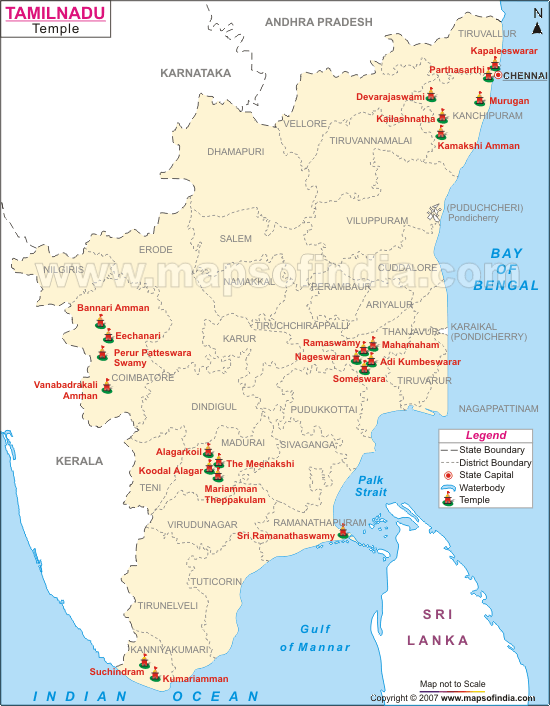
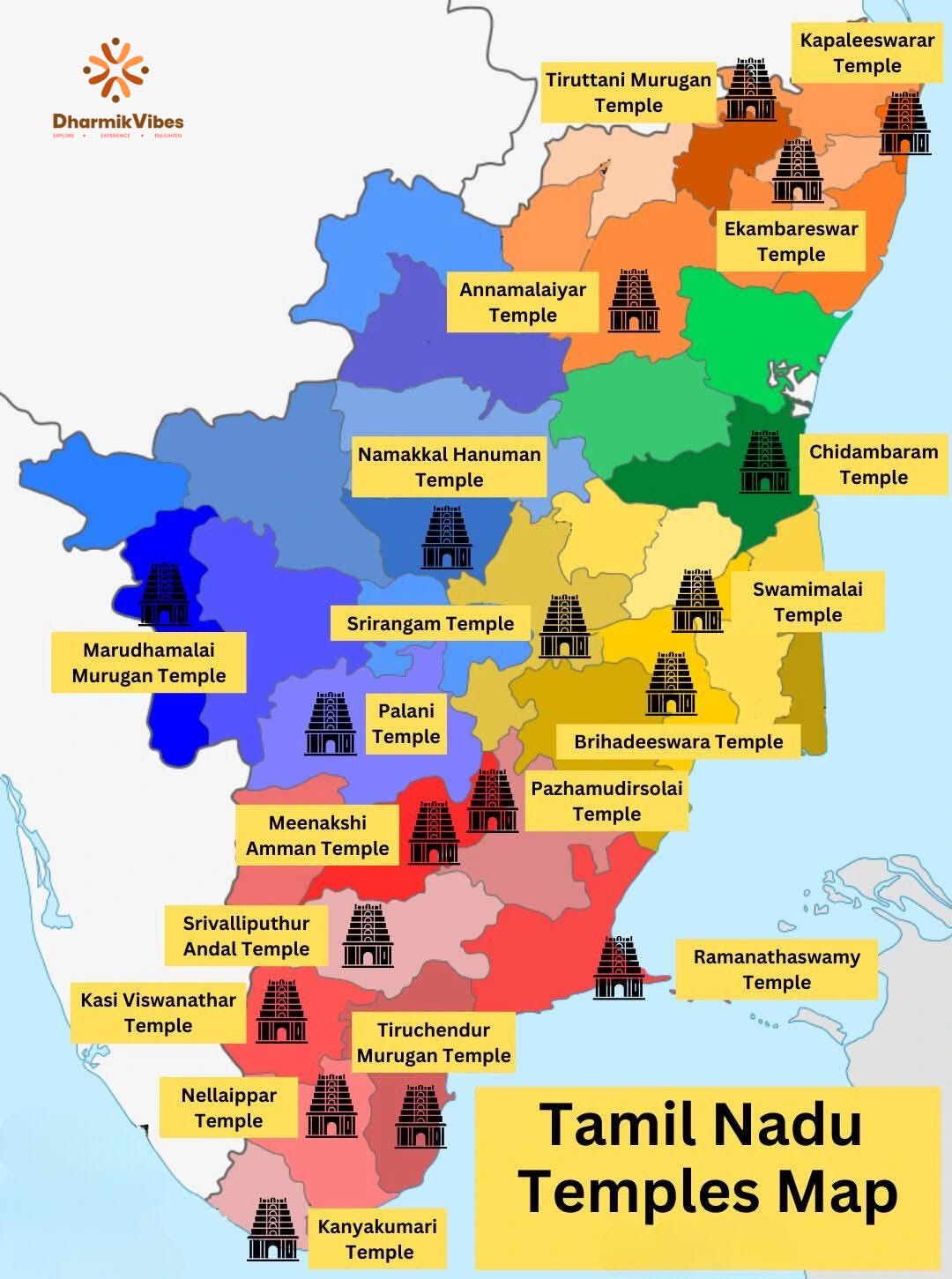
Map Of Tamil Nadu Temples Discovering Ancient WondersTamil Nadu, often referred to as the 'Land of Temples,' beckons travelers with its unparalleled spiritual legacy and architectural brilliance. For those in the U.S. planning an immersive cultural journey, understanding the geographic spread of these sacred sites is paramount. A comprehensive map of Tamil Nadu temples serves as your indispensable compass, guiding you through a region where devotion has sculpted some of the world's most intricate and awe-inspiring structures. These ancient sanctuaries are not just places of worship; they are living museums, each telling tales of millennia-old traditions, artistic mastery, and profound philosophical insights. Embarking on this exploration reveals a vibrant tapestry of faith and heritage unique to South India, promising an experience that transcends mere sightseeing.
Understanding the Sacred Geography of Tamil Nadu
Exploring the spiritual topography of Tamil Nadu unveils a rich network of temples, each strategically placed to reflect historical, cultural, and spiritual importance. This region, nestled in the southern tip of India, boasts an extraordinary concentration of Hindu temples, many of which are thousands of years old. For U.S. visitors, comprehending the geographical distribution is key to efficiently planning a visit. These temples are not isolated structures but form clusters, often along ancient trade routes or significant rivers, creating natural pilgrimage circuits. A detailed map helps visitors identify these clusters, visualize travel distances, and prioritize destinations based on their interests, whether it's grand Dravidian architecture, vibrant temple festivals, or tranquil spiritual retreats.
Effective navigation through Tamil Nadu's temple landscape requires more than just knowing individual locations; it demands an appreciation for the cultural narratives embedded within the geography itself. Many temples are dedicated to specific deities or hold unique historical importance, drawing pilgrims and tourists alike. Using a well-organized map allows travelers to connect these dots, forming a coherent itinerary that maximizes exploration time. This approach transforms a simple trip into a profound journey, revealing how ancient civilizations integrated their spiritual beliefs with their physical environment. Understanding the regions also helps in preparing for local transport, accommodation, and finding authentic cultural experiences that enhance the temple visit.
Ultimately, a map of Tamil Nadu temples empowers the modern explorer to chart a course through a spiritual labyrinth with confidence and clarity. It demystifies the vastness of the region, breaking it down into manageable segments for an enriching travel experience. U.S. visitors can leverage this geographical understanding to tailor their adventure, focusing on specific architectural periods, religious sects, or historical periods. This strategic planning ensures that every moment spent in Tamil Nadu contributes to a deeper appreciation of its invaluable heritage, making each temple visit not just a stop on a journey, but a significant discovery.
Essential Temple Regions to Explore
Delving into Tamil Nadu's temple heartland reveals distinct regions, each boasting its own unique collection of sacred sites. One prominent area is the Kaveri Delta, home to the magnificent Great Living Chola Temples, including the Brihadeeswarar Temple in Thanjavur, a UNESCO World Heritage site. This region exemplifies the pinnacle of Dravidian architecture, characterized by towering vimanas, intricate sculptures, and expansive courtyards. For travelers from the U.S., focusing on this cluster allows for an intensive exploration of some of India's most important architectural achievements, showcasing the grandeur and artistic prowess of the Chola dynasty. Planning visits here offers a profound historical and spiritual immersion.
Another vital region for temple exploration centers around Madurai, famous for the Meenakshi Amman Temple, a vibrant and sprawling complex that is a living testament to ancient Tamil culture. This bustling temple city offers an immersive experience, combining spiritual devotion with rich cultural traditions. Beyond Madurai, areas like Kanchipuram, known as the 'City of Thousand Temples,' present a different facet of temple architecture, with numerous Pallava and Chola era temples. For U.S. visitors, exploring these regions provides a diverse perspective on the evolution of temple building and the enduring spiritual practices that continue to thrive within these sacred spaces. Each region offers distinct architectural styles and historical narratives.
Further south, the Ramanathapuram district offers significant pilgrimage sites, including Rameshwaram, where the Ramanathaswamy Temple stands as one of the twelve Jyotirlinga shrines dedicated to Lord Shiva. This coastal region combines spiritual significance with stunning natural beauty. Planning a route that incorporates these diverse regions, from the ancient delta to the vibrant temple towns and coastal pilgrimage sites, ensures a comprehensive and enriching exploration of Tamil Nadu's spiritual landscape. Utilizing a map to connect these varied experiences will maximize travel efficiency and allow for a deeper appreciation of the state's incredible religious and architectural diversity, offering a holistic cultural adventure.
Frequently Asked Questions
What are the must-visit temples in Tamil Nadu?
Among Tamil Nadu's vast temple treasury, certain sites stand out. The Brihadeeswarar Temple in Thanjavur, Meenakshi Amman Temple in Madurai, and Ramanathaswamy Temple in Rameswaram are essential visits for their architectural grandeur, historical significance, and spiritual importance. These temples offer U.S. travelers an unparalleled glimpse into South India's rich cultural heritage and enduring devotion.
How do I plan a temple tour in Tamil Nadu?
Planning a temple tour in Tamil Nadu involves mapping key locations like Thanjavur, Madurai, and Kanchipuram. Consider travel time between sites, booking accommodations in advance, and hiring local guides for deeper insights. Prioritizing regions based on your interests, such as Chola architecture or specific deity worship, streamlines your itinerary for an enriching experience.
Is it safe for U.S. citizens to visit Tamil Nadu temples?
Yes, Tamil Nadu is generally safe for U.S. citizens visiting its temples. Basic travel precautions, such as safeguarding valuables and respecting local customs, are advisable. Temples are well-maintained, and local authorities are supportive of tourists. Embracing the cultural experience with an open mind ensures a safe and memorable journey through these sacred sites.
Key Highlights
Tamil Nadu temple locations, historical temple routes, spiritual tours South India, temple architecture guide, planning a trip to Tamil Nadu, cultural landmarks India