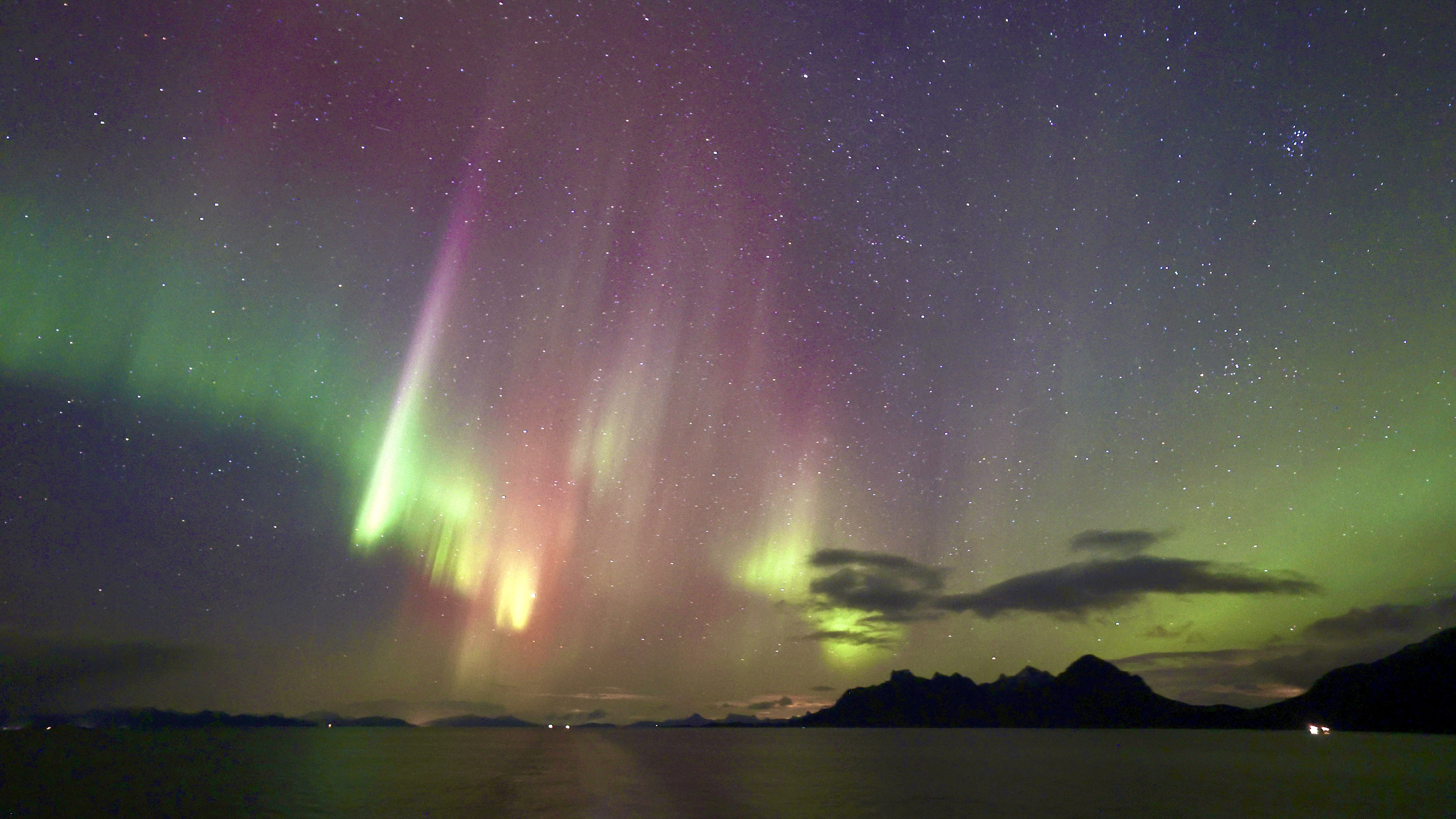
What causes the Northern Lights?
The Northern Lights, or aurora borealis, result from charged solar particles colliding with Earth's atmospheric gases. These particles, often from solar flares, are guided by our planet's magnetic field toward the poles. This collision excites oxygen and nitrogen atoms, which then release energy as vibrant light. Oxygen typically produces green and red light, while nitrogen creates blue and purple. Monitor space weather forecasts to understand solar activity levels before planning a trip.
Where are the best places in the US to see the Northern Lights?
The best places in the US to see the Northern Lights consistently are within Alaska, particularly cities like Fairbanks, which sit directly under the auroral oval. Other northern states like Michigan's Upper Peninsula, northern Minnesota, and parts of Maine can offer sporadic views during strong geomagnetic storms. Remote areas with minimal light pollution offer optimal viewing conditions. Research specific aurora viewing lodges or tour operators in Alaskan destinations.
When is the best time of year to see the Northern Lights?
The best time of year to see the Northern Lights in the US is typically during the dark, clear nights of late August through April. Winter months offer longer hours of darkness, increasing viewing opportunities. Aim for times around the new moon for the darkest skies. The strongest auroral displays often occur around the equinoxes in September and March. Check the long-range weather forecast for clear nights in your chosen viewing location.
How can I increase my chances of seeing the Aurora Borealis?
To increase your chances of seeing the Aurora Borealis, travel to high-latitude locations like Alaska during peak viewing seasons (late August-April). Monitor reliable aurora forecasts, choose nights with clear skies and minimal light pollution, and be prepared to stay out late. Patience is truly key. Stronger solar activity leads to more intense and widespread aurora. Download an aurora prediction app or subscribe to space weather alerts for real-time updates.
What gear do I need for a Northern Lights viewing trip?
For a Northern Lights viewing trip, pack warm layered clothing, insulated boots, hats, and gloves, as temperatures can drop significantly. A sturdy tripod and a camera capable of manual settings are essential for photography. Don't forget extra batteries, a headlamp, and a thermos with hot drinks. Wide-angle lenses are ideal for capturing the expansive aurora display. Create a packing list well in advance, accounting for the cold weather and photography needs specific to your destination.
what are northern lights, where to see northern lights, best time to see northern lights, how to photograph aurora, northern lights facts, aurora borealis explained, seeing aurora in Alaska, planning a northern lights trip, aurora forecast US, causes of northern lightsEver wondered what causes the Northern Lights or where to see them in the US? This comprehensive guide for United States citizens unpacks the science behind the aurora borealis, revealing how solar particles create those mesmerizing sky dances. We cover prime viewing locations like Alaska, discuss the best times of year to witness this natural wonder, and offer practical tips for planning your trip. Discover essential gear, learn how to interpret aurora forecasts, and avoid common pitfalls. This resource helps you understand the phenomenon, pinpoint top spots in North America, and prepare for an unforgettable celestial adventure. Get ready to plan your journey and maximize your chances of seeing the Northern Lights firsthand.
The northern lights, or aurora borealis, are a spectacular natural light display visible in the Earth's polar regions. For many Americans, witnessing this celestial dance is a bucket-list dream, offering an unparalleled connection to our planet's cosmic environment. It's more than just a light show; it's a profound experience driven by solar activity and Earth's magnetic field.
Understanding what causes the northern lights and where to best observe them can transform a casual interest into a planned adventure. This guide aims to equip US travelers with the essential knowledge, from the science behind the phenomenon to practical tips for planning a successful aurora-chasing expedition. Get ready to uncover the secrets of the aurora and prepare for an unforgettable journey.
| Aspect | Key Information |
|---|---|
| What Are They? | Natural light display, Aurora Borealis |
| Cause | Solar particle collisions with atmospheric gases |
| Primary Colors | Green, red, blue, purple |
| Best US Location | Alaska (Fairbanks, Anchorage area) |
| Viewing Season | Late August to April |
| Requirement | Dark skies, strong solar activity |
What exactly are the northern lights? They're caused by collisions between electrically charged particles from the sun that enter the Earth's atmosphere. These particles, primarily electrons and protons, are ejected during solar flares and coronal mass ejections. When they interact with gases like oxygen and nitrogen, they create the vibrant colors we see.
The science behind aurora is fascinating, yet simple to grasp. Our planet's magnetic field acts like a giant shield, directing these solar particles towards the poles. As they accelerate, they collide with atoms and molecules in the upper atmosphere. Each gas emits light at different wavelengths, creating the varied palette.
For those in the United States, the aurora borealis is best viewed in northern states. Alaska offers some of the most consistent and accessible viewing opportunities. States like Michigan, Minnesota, and Maine can also experience sightings during strong solar storms. Planning your trip around geomagnetic activity forecasts significantly increases your chances.
To truly experience the northern lights, you need dark skies away from city lights. Patience is a virtue, as the aurora can appear suddenly and last for varying durations. Dress warmly in layers, even in mild weather, as you'll likely be outdoors for extended periods. Consider joining a local tour or staying at an aurora lodge for expert guidance and comfort.
| Viewing Tip | Description |
|---|---|
| Location | High latitudes, minimal light pollution (e.g., Fairbanks, AK) |
| Timing | Late August - April, new moon phase, clear skies |
| Preparation | Warm clothing layers, extra camera batteries |
| Forecasts | Monitor Space Weather Prediction Center (SWPC) |
Preparing for an aurora-chasing trip requires some foresight. Researching the best time of year, typically from late August to April, is crucial for US travelers. This window provides ample darkness needed for the lights to be visible. Check moon phases too; a new moon offers the darkest skies, enhancing visibility.
When considering where to see northern lights in the United States, places like Fairbanks, Alaska, stand out. Its position within the "auroral oval" makes it a prime destination. Other potential spots, though less frequent, include northern parts of Idaho, Montana, North Dakota, and even upstate New York during intense activity. Always prioritize locations with minimal light pollution.
Don't forget the practicalities. Ensure your camera gear is ready for low-light photography if you plan to capture the magic. Pack extra batteries, as cold temperatures drain them quickly. Having a thermos with hot beverages can make waiting more enjoyable. Enjoy the stillness of the night sky and the anticipation.
| Aurora Photography Tips | Details |
|---|---|
| Equipment | DSLR/mirrorless camera, wide-angle lens, sturdy tripod |
| Settings | Manual mode, high ISO (800-3200), wide aperture (f/2.8 or lower), long exposure (10-30 seconds) |
| Focus | Manual focus to infinity |
| Batteries | Carry spare batteries; cold drains them quickly |
| Composition | Include foreground elements for scale |
What Causes the Northern Lights to Appear?
The Northern Lights are caused by collisions between electrically charged particles from the sun and atmospheric gases. When solar wind particles, often from coronal mass ejections, hit Earth's magnetic field, they are funneled toward the poles. These particles then excite oxygen and nitrogen atoms, causing them to emit light in vibrant colors.
The specific colors observed, such as green, red, blue, and purple, depend on the type of gas molecule involved and the altitude at which the collision occurs. Oxygen typically produces greens and reds, while nitrogen is responsible for blues and purples. This complex interaction transforms invisible solar energy into a breathtaking visual spectacle. Understanding this process can deepen your appreciation for the natural wonder unfolding above.
The Sun's Role in Aurora Displays
The sun plays a critical role in generating the northern lights. Solar activity, like solar flares and coronal mass ejections, sends a stream of charged particles into space. These particles travel at incredible speeds towards Earth. Without this consistent solar activity, the auroral displays would not be possible.
Earth's magnetic field acts as a protective shield, but it also directs these particles. Instead of hitting our atmosphere uniformly, the field channels them towards the magnetic poles. This is why the aurora is most commonly seen in high-latitude regions, forming what is known as the auroral oval. The strength of the aurora directly correlates with the intensity of the solar storms.
Monitoring space weather forecasts, particularly those tracking solar wind speed and the interplanetary magnetic field (IMF), can provide clues about potential aurora activity. Websites like the NOAA Space Weather Prediction Center offer real-time data and predictions. Familiarizing yourself with these resources can significantly improve your chances of catching a strong display. Knowing what is northern lights helps in appreciating its source.
Where Can You See the Northern Lights in the US?
You can see the Northern Lights most reliably in Alaska, particularly in areas like Fairbanks, Anchorage, and Denali National Park, which sit within the auroral oval. During periods of intense solar activity, aurora can also be visible in northern portions of states such as Michigan (Upper Peninsula), Minnesota, Maine, Montana, North Dakota, Idaho, and even upstate New York. Viewing requires clear, dark skies away from city light pollution.
To maximize your chances, seek out remote locations with minimal artificial light. High vantage points or open fields offer expansive views of the horizon. Researching local dark sky parks or designated aurora viewing spots can be helpful. Remember that even in prime locations, strong displays are never guaranteed, requiring patience and optimal conditions.
Prime Alaskan Destinations for Aurora Viewing
Fairbanks, Alaska, is often crowned the best place in the US for aurora viewing. Its geographical location directly under the auroral oval, combined with its relatively clear winter skies, makes it a consistent choice. Many tour operators in Fairbanks specialize in aurora excursions, providing guided experiences and warm shelters.
Beyond Fairbanks, other Alaskan locations like Anchorage, Talkeetna, and even the Arctic Circle offer fantastic opportunities. The key is to get away from the immediate city lights. Consider staying at an aurora lodge or cabins designed for prime viewing. These accommodations often provide wake-up calls when the lights appear, ensuring you don't miss a moment.
For those seeking a more adventurous trip, venturing into Denali National Park or exploring the Dalton Highway (Haul Road) offers incredibly dark skies and solitude. However, these options require more self-sufficiency and preparation. Always prioritize safety, especially when traveling in remote Alaskan wilderness during winter. Understanding what is northern lights will make your trip memorable.
When Is the Best Time to See the Northern Lights?
The best time to see the Northern Lights is typically during the dark months, from late August through April. The longer hours of nighttime darkness during these seasons increase viewing opportunities. Within this window, aim for clear, moonless nights, as moonlight can diminish the aurora's visibility. Stronger geomagnetic activity also plays a crucial role.
While any clear, dark night in the viewing season can offer a chance, many experts suggest that the weeks around the spring and fall equinoxes (late March and late September) often see heightened activity. This is due to how Earth's magnetic field aligns with the solar wind at these times. Consistent monitoring of aurora forecasts is essential for day-to-day predictions.
Seasonal and Hourly Considerations for Aurora Hunters
Beyond the general August-April window, specific hourly timing also matters. The aurora is most active between 10 PM and 2 AM local time, though it can appear earlier or later. Being prepared to stay out for several hours, even into the wee hours, is part of the aurora chasing experience. Remember, patience is a key ingredient for success.
Weather conditions are paramount. Cloud cover is the biggest enemy of aurora viewing, as it completely obscures the display. Always check local weather forecasts for clear skies before venturing out. Websites and apps dedicated to aurora forecasting often include cloud cover predictions for prime viewing areas. These tools help travelers pinpoint the best possible viewing windows.
Planning your trip to coincide with a new moon ensures the darkest possible skies, allowing even fainter aurora to be seen. While a full moon can still allow bright aurora to shine through, it will significantly reduce the contrast. For serious photographers, timing with a new moon is almost non-negotiable for capturing the best shots of what is northern lights.
How Do I Plan a Trip to See the Northern Lights?
Planning a trip to see the Northern Lights involves selecting a high-latitude destination, choosing the right time of year, monitoring aurora forecasts, and preparing for cold weather. First, decide on a US location like Fairbanks, Alaska. Next, target the viewing season from late August to April. Consistently check space weather reports and local weather for clear skies. Finally, pack appropriate layered clothing and any camera gear.
Consider booking accommodations at aurora-specific lodges or joining guided tours. These options often provide local expertise, comfortable viewing setups, and sometimes even wake-up calls when the lights are active. Such services can greatly simplify the logistics and enhance your viewing experience, making the most of your investment.
Essential Steps for a Successful Aurora Expedition
Your first step in planning should be setting a budget. Costs can vary widely depending on location, accommodation style, and length of stay. Airfare to Alaska, for example, can be a significant expense. Factoring in guided tours, specialized gear, and daily expenses will give you a realistic financial picture for what is northern lights travel.
- Research Destinations: Identify prime US locations like Fairbanks, Alaska, or other northern states for potential sightings.
- Choose Your Season: Target late August through April for maximum darkness, with particular attention to clear, moonless nights.
- Monitor Forecasts: Use reliable aurora prediction apps and websites (e.g., NOAA SWPC) for Kp-index and cloud cover.
- Pack Smart: Layered, thermal clothing, insulated boots, hats, gloves, hand warmers, and a thermos are non-negotiable.
- Photography Gear: Bring a DSLR/mirrorless camera, wide-angle lens, sturdy tripod, and extra batteries if you plan to capture the aurora.
- Book Wisely: Consider aurora tours or lodges that offer expert guidance and comfortable viewing setups.
Securing flights and accommodation well in advance, especially for popular destinations like Fairbanks during peak season, is smart. Demand for aurora viewing trips continues to grow among US travelers. Early booking often secures better rates and availability. Don't leave these critical arrangements to the last minute.
Can You See Northern Lights from Lower US States?
While sightings are rare, it is possible to see the Northern Lights from lower US states during exceptionally strong geomagnetic storms. States as far south as Oregon, Iowa, Pennsylvania, and even Colorado have reported aurora visibility during significant solar events. However, these occurrences are infrequent and typically require a Kp-index of 7 or higher. Such southern sightings are often very faint and appear low on the northern horizon.
Unlike the vibrant displays seen in Alaska, aurora from lower US states often appears as a subtle glow or a faint, whitish haze, making it less spectacular to the naked eye. Photography with long exposures can sometimes reveal more color than what is visible to human vision. Keep expectations realistic if you're hoping to catch a glimpse from these latitudes. These events are truly anomalies rather than routine.
Factors Influencing Southern Aurora Visibility
The primary factor for aurora visibility in lower US states is an incredibly powerful solar storm. These storms release a massive burst of charged particles, causing the auroral oval to expand southward from its usual position. This expansion is what brings the aurora within reach of more southerly locations. The strength of the Kp-index, a measure of geomagnetic activity, directly correlates with how far south the aurora can be seen. A higher Kp-index means a greater chance of a southern sighting.
Even with a strong solar storm, several other conditions must align. You need perfectly clear skies, absolutely no light pollution, and a clear view of the northern horizon. Even a sliver of cloud cover or distant city lights can completely obscure a faint aurora display. Getting to truly dark sky locations, such as national parks or remote rural areas, is crucial for any chance of success. Local weather conditions always dictate whether a potential display is viewable.
For residents in lower US states interested in catching these rare events, monitoring space weather alerts diligently is your best bet. Websites like NOAA's Space Weather Prediction Center will issue warnings for severe geomagnetic storms, often with several days' notice. Subscribing to their alerts or following reputable space weather accounts on social media can keep you informed. Be ready to act quickly and drive to a dark location if a strong forecast materializes. The fleeting nature of what is northern lights at these latitudes makes them highly sought after.
Frequently Asked Questions About What Is Northern Lights
How Do the Northern Lights Get Their Name?
The term "Aurora Borealis" combines "Aurora," the Roman goddess of dawn, and "Boreas," the Greek name for the north wind. This name was coined by Galileo Galilei in the 17th century, describing the dawn-like glow seen in the northern skies. The "Northern Lights" is simply the common English name reflecting its visual appearance in the northern hemisphere.
This poetic name captures the ethereal beauty of the phenomenon, connecting it to ancient myth and natural forces. People often associate the aurora with a celestial dance or curtains of light, reinforcing its mystical appeal. Knowing the origin of the name adds another layer of intrigue to this already stunning natural event, especially for those in the US hoping to witness it.
What Colors Are the Northern Lights and Why?
The Northern Lights display a range of colors, most commonly vibrant green, but also pink, red, blue, and purple. These distinct colors are determined by the type of gas atoms the solar particles collide with in Earth's atmosphere and the altitude of the collision. Oxygen atoms typically produce green light at lower altitudes (60-150 miles) and red light at higher altitudes (above 150 miles). Nitrogen atoms, on the other hand, usually create blue or purple hues. The intensity of the solar storm also affects the prominence of different colors, with stronger storms yielding more varied and vivid displays. This natural chemistry paints the sky.
Can You Hear the Northern Lights?
Scientific consensus generally holds that the Northern Lights are silent to the human ear. The aurora occurs high in the atmosphere, making any associated sounds unlikely to reach the ground. However, some anecdotal accounts describe faint crackling or hissing noises during exceptionally bright and active displays. While these reports lack definitive scientific proof, they contribute to the mystique of the aurora. For most viewers, the experience is purely visual, enjoyed in peaceful silence. Focus on the visual spectacle rather than expecting auditory sensations.
Are the Northern Lights Dangerous?
No, the Northern Lights themselves are not dangerous to humans on Earth's surface. The charged particles that cause the aurora interact with our atmosphere at very high altitudes, and Earth's magnetic field protects us from any harmful radiation. While severe solar storms that create intense aurora can sometimes affect satellite communications or power grids, these effects are typically managed and do not pose a direct threat to individuals. Observing the aurora is a safe and breathtaking natural experience, allowing you to enjoy the cosmic show without worry. Focus on staying warm in the cold viewing environments.
How Long Do the Northern Lights Last?
The duration of a Northern Lights display can vary significantly, ranging from a few minutes to several hours, or even an entire night during strong activity. Individual bursts of light might last only moments, while a continuous show can persist for extended periods. It's common for the aurora to wax and wane in intensity throughout the night, with periods of calm followed by renewed activity. Patience is key when hunting for the aurora, as even a brief appearance can be utterly spectacular. Be prepared for a long night of watching and waiting, as the lights have their own schedule.
What Is the Kp-Index in Aurora Forecasting?
The Kp-index is a scale used in aurora forecasting to measure geomagnetic activity on a scale of 0 to 9. A higher Kp-index indicates stronger geomagnetic activity and a greater chance of seeing the aurora, potentially at lower latitudes. For example, a Kp of 2-3 might indicate faint aurora in Alaska, while a Kp of 5 or higher suggests a strong display visible across wider areas, including parts of the northern contiguous US. Monitoring the Kp-index helps aurora hunters gauge the likelihood and potential reach of a display, guiding their viewing plans. It's a crucial tool for those serious about catching the lights.
Key Highlights
Aurora Borealis definition, Best places to see Northern Lights US, When to view Northern Lights, How to plan an aurora trip, What causes Northern Lights, Photography tips for aurora, Northern Lights viewing cost, US aurora hotspots, Preparing for aurora viewing, Northern Lights science explained