Are Hisense TVs good for gaming? This question is on the minds of many US gamers as they seek to balance their passion for interactive entertainment with their busy lives, jobs, and families. In 2026, Hisense has solidified its position as a compelling option in the TV market, especially for those looking for value without sacrificing performance. This in-depth guide will navigate the complexities of Hisense's gaming features, from input lag and refresh rates to advanced technologies like VRR and ALLM. We will explore how these TVs stack up against more expensive alternatives, provide practical advice for optimizing your setup, and recommend specific models that deliver an exceptional experience for both casual and competitive players. Discover if a Hisense TV can be the smart, budget-friendly upgrade you need to elevate your gaming sessions, offering relaxation, fun, and competitive edge. Learn how to get the most out of your Hisense TV, ensuring it supports your favorite games and lifestyle.
Are Hisense TVs truly good enough for serious gaming, or just for casual players?
Many busy gamers wonder if Hisense TVs can keep up with their demanding playstyles, especially when balancing work and family. The good news is that many current Hisense models, particularly their ULED series, offer impressive gaming features like low input lag, 120Hz refresh rates, and HDMI 2.1 support. This makes them competitive not just for casual gaming, but also for more serious players looking for an edge in competitive titles or immersive experiences in AAA games. They deliver excellent performance for their price, making them a smart choice for optimizing your setup on a budget.
What specific Hisense TV features should I look for to get the best gaming experience?
When selecting a Hisense TV for gaming, prioritize models that feature HDMI 2.1 ports for 4K@120Hz support, Variable Refresh Rate (VRR) to prevent screen tearing, and Auto Low Latency Mode (ALLM) for seamless game mode activation. Aim for the lowest possible input lag, ideally under 20ms, which Hisense's ULED series often achieves. Mini-LED backlighting and high peak brightness are also crucial for stunning HDR visuals, enhancing immersion in your favorite games. Don't forget a dedicated Game Mode to optimize settings automatically.
How do Hisense TVs compare to more expensive brands for next-gen console gaming like PS5 or Xbox Series X?
Hisense TVs often provide exceptional value, offering features comparable to premium brands at a significantly lower cost. For next-gen consoles, their ULED and Mini-LED models frequently include HDMI 2.1, 120Hz refresh rates, VRR, and ALLM. While top-tier competitors might offer slightly better image processing or more refined upscaling, Hisense delivers a core gaming experience that meets the demands of PS5 and Xbox Series X, especially regarding responsiveness and smooth gameplay. This makes them an attractive option for gamers looking to maximize performance without overspending.
Is input lag a significant concern on Hisense TVs, and how can I minimize it?
Input lag, the delay between your controller input and on-screen action, is a critical factor for gamers. Hisense TVs have made significant strides in this area. Most modern Hisense models, especially those designed for gaming, offer impressively low input lag when Game Mode is activated, often falling into the 10-20ms range which is excellent for most players. To minimize it, always ensure Game Mode is enabled for your console's HDMI input, turn off any post-processing features like motion smoothing, and consider using a wired controller for the lowest possible latency.
Do Hisense TVs support high refresh rates like 120Hz for smoother gameplay?
Yes, many Hisense TVs, particularly their higher-end ULED and Mini-LED models from recent years, support 120Hz refresh rates. This is crucial for unlocking the full potential of next-gen consoles and powerful gaming PCs, delivering significantly smoother motion and a more responsive feel in games. Look for models explicitly stating HDMI 2.1 connectivity, as this is necessary to transmit 4K resolution at 120 frames per second. Always check the specifications for the specific Hisense model you are considering to confirm 120Hz support at your desired resolution.
Can Hisense TVs handle HDR gaming effectively, and what's the best setting for it?
Absolutely, Hisense TVs, especially their ULED and Mini-LED series, are well-regarded for their strong HDR performance thanks to high peak brightness and excellent contrast control, including full-array local dimming. This means games supporting HDR will look vibrant, with deeper blacks and brighter highlights, creating a more immersive visual experience. For optimal HDR gaming, ensure HDR Game Mode is enabled, and if available, adjust the 'Dynamic Tone Mapping' or 'HDR Perfect' settings to your preference. Also, make sure your console's HDR settings are calibrated correctly.
What's the best way to balance gaming on a Hisense TV with other household entertainment needs?
Hisense TVs are designed to be versatile, serving multiple entertainment purposes. For gamers balancing family life, the vibrant picture quality and smart TV features make them excellent for movies and streaming for everyone. When it's gaming time, simply activate Game Mode on the relevant HDMI input for low latency and smooth action. The dedicated settings ensure optimal performance for each use without constant manual adjustments. This flexibility makes a Hisense TV a practical central hub for both your personal gaming escapism and family entertainment.
Life as a gamer in 2026 often means balancing intense virtual worlds with very real responsibilities. For many, hitting that average age of 36, gaming is a vital outlet for relaxation, connection with friends, and even skill-building after a long day of work or family duties. But with limited time and budget, investing in the right gear, especially a gaming display, can feel like a high-stakes decision. You want that crisp picture, responsive gameplay, and smooth action without draining your bank account or spending hours on complex setups. This brings us to a crucial question on many gamers' minds: are Hisense TVs good for gaming?
Hisense has quickly risen as a prominent player, often promising premium features at a more accessible price point. With 87% of US gamers regularly playing, averaging over 10 hours a week, and trends showing a strong interest in both mobile and console cross-play, the demand for versatile, high-performing displays is higher than ever. Whether you are deep into social gaming, exploring free-to-play titles, or diving into the latest AAA releases, your TV is your window to these worlds. This guide is designed to cut through the marketing jargon, addressing your real pain points like setup hassles, performance worries, and how to get the most value for your hard-earned dollars. Let's unpack everything you need to know about gaming on a Hisense TV.
What Defines a TV as Good for Gaming
Before we dive into Hisense specifically, it is crucial to understand what metrics truly matter for a superior gaming experience. For gamers who value performance optimization and responsive gameplay, several key specifications stand out. First, input lag refers to the delay between your controller input and the action appearing on screen. Lower numbers, ideally under 20ms, mean a more responsive feel. Second, refresh rate indicates how many times per second the image on the screen updates; 120Hz is ideal for smoother motion, especially in fast-paced games. Technologies like Variable Refresh Rate (VRR) synchronize the TV's refresh rate with your console's frame rate, eliminating screen tearing and stuttering. Auto Low Latency Mode (ALLM) automatically switches your TV to its lowest latency settings when it detects a game console, saving you from manual adjustments. Finally, picture quality, including resolution (4K is standard now), HDR performance (brightness, contrast, color volume), and panel type (ULED, Mini-LED) significantly impacts immersion. For the average gamer, balancing these features with budget is key.
How Do Hisense TVs Generally Perform in Terms of Input Lag
Input lag is a critical concern for any gamer, particularly those playing competitive titles or games that demand precise timing. Fortunately, Hisense TVs have made significant strides in this area, offering competitive input lag numbers, especially in their dedicated Game Mode. When Game Mode is activated, many recent Hisense ULED and Mini-LED models can achieve input lag figures well below 20 milliseconds, and sometimes even into the single digits for 1080p and 1440p resolutions. For 4K resolution at 60Hz, you can typically expect figures in the 10-15ms range, which is excellent for most players. This responsiveness means your actions on the controller translate almost instantly to the screen, providing a smoother and more connected gaming experience. It is a major win for gamers balancing life, as it removes one significant performance bottleneck without a premium price tag.
Do Hisense TVs Support 120Hz Refresh Rates for Next-Gen Consoles
Yes, many Hisense TVs are equipped to handle 120Hz refresh rates, a crucial feature for unlocking the full potential of PlayStation 5, Xbox Series X, and high-end gaming PCs. This capability allows for significantly smoother motion and a more fluid gameplay experience, especially noticeable in fast-paced action games and shooters. To support 4K resolution at 120Hz, your Hisense TV needs HDMI 2.1 ports, which are increasingly common on their mid-range and high-end models, particularly within the ULED and Mini-LED series. Always check the specific model specifications for HDMI 2.1 bandwidth details, as some TVs might only offer it on one or two ports. Ensuring your TV has this feature is essential for future-proofing your setup and enjoying games as developers intend, providing that extra edge in performance optimization that busy gamers appreciate.
What is VRR and ALLM, and Do Hisense TVs Have These Features
Variable Refresh Rate (VRR) and Auto Low Latency Mode (ALLM) are game-changing technologies that enhance the gaming experience by making it smoother and more responsive. VRR dynamically adjusts your TV's refresh rate to match the frame rate output of your console or PC, effectively eliminating screen tearing and reducing stuttering when frame rates fluctuate. This means a consistently smoother image, free from visual artifacts that can distract from immersion. ALLM, on the other hand, is a convenience feature that automatically switches your TV into its lowest latency Game Mode whenever it detects a gaming signal from a connected console. This prevents you from needing to manually adjust settings every time you switch from watching a movie to playing a game. Many recent Hisense TVs, especially their ULED and Mini-LED models with HDMI 2.1 ports, do indeed support both VRR and ALLM, making them well-suited for modern gaming setups and a relief for gamers who value seamless transitions and optimized performance.
How Does Hisense Picture Quality Impact Gaming Visuals
Hisense's investment in advanced display technologies significantly impacts gaming visuals, offering a vibrant and immersive experience. Their ULED (Ultra LED) technology, which encompasses features like Mini-LED backlighting and Quantum Dot color, allows for superior contrast, deeper blacks, and incredibly bright highlights, crucial for stunning High Dynamic Range (HDR) gaming. This means games with rich color palettes and dramatic lighting effects will truly pop, making environments more engaging and characters more lifelike. The improved local dimming zones in Mini-LED models provide precise control over backlight, minimizing blooming around bright objects on dark backgrounds, which is especially beneficial in visually complex games. For gamers who prioritize visual fidelity without the premium cost, Hisense's picture quality, often supporting Dolby Vision Gaming and HDR10+, ensures that the latest titles look their best, enhancing relaxation and fun through breathtaking graphics.
Are Hisense TVs a Good Value for Budget-Conscious Gamers
For the budget-conscious gamer, Hisense TVs often represent an outstanding value proposition. They frequently offer a compelling suite of gaming features—such as 120Hz refresh rates, HDMI 2.1, VRR, ALLM, and excellent HDR performance through ULED and Mini-LED technologies—at prices significantly lower than many competitors. This makes advanced gaming displays accessible to a broader audience, including those balancing gaming with jobs and families. Instead of compromising on core performance features, gamers can get a TV that delivers a responsive and visually rich experience without overspending on brand prestige. While they might not always match the absolute peak performance or most refined image processing of ultra-premium brands, the performance-to-price ratio is hard to beat, making Hisense an intelligent choice for optimizing your hardware upgrades on a budget.
What Are the Best Hisense TV Models for Serious Gamers in 2026
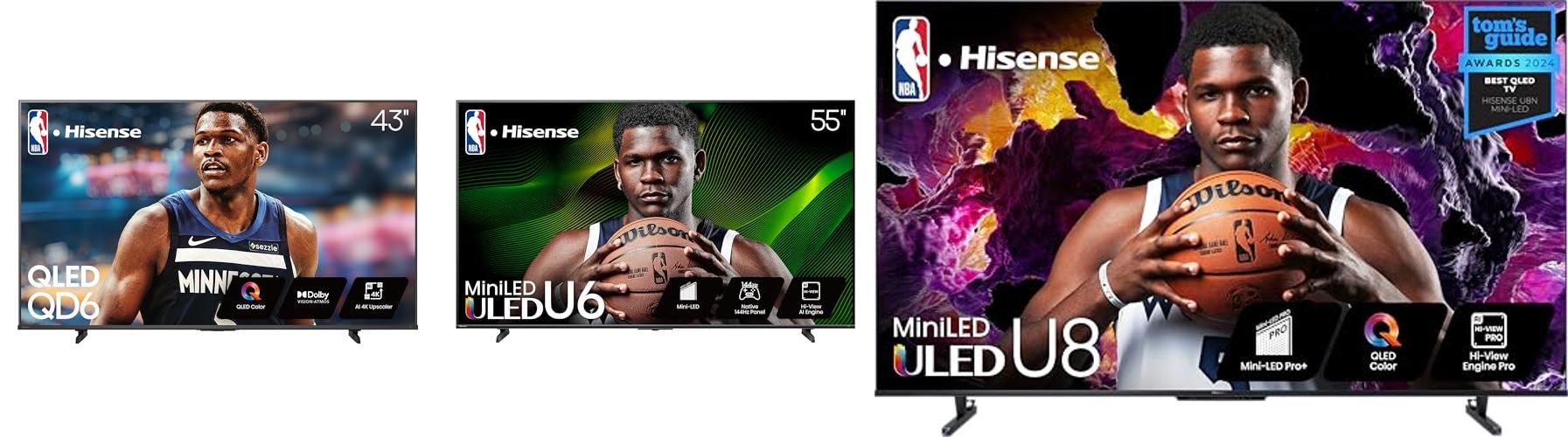
For serious gamers seeking top-tier performance from Hisense in 2026, the ULED series, particularly the U7 and U8 models, are often the standout choices. The Hisense U8 series typically represents their flagship Mini-LED offering, boasting excellent peak brightness, extensive local dimming zones, native 120Hz panels, multiple HDMI 2.1 ports, and comprehensive support for VRR, ALLM, and FreeSync Premium. These features combine to deliver a truly immersive and responsive gaming experience for both current and upcoming titles. The U7 series, while slightly more budget-friendly, often inherits many of these critical gaming features, making it an incredible value pick. Always check the latest models' specific specifications, as Hisense regularly updates its lineup, but historically, the U7 and U8 have consistently been strong performers for discerning gamers who balance performance and value, suitable for everything from competitive esports viewing to deep-dive RPGs.
Are There Any Common Issues or Downsides to Gaming on Hisense TVs
While Hisense TVs offer immense value, it is important for gamers to be aware of potential downsides. One common concern across many budget-friendly brands, including Hisense, can be panel lottery variations, where the quality of the display panel can differ slightly between individual units. This might manifest as minor backlight uniformity issues or varying degrees of DSE (dirty screen effect). While not widespread, it is something to consider. Additionally, while Hisense's picture processing has improved dramatically, it might not always be as refined as that found in much higher-priced flagship TVs, particularly regarding upscaling lower-resolution content. Some users might also find the built-in smart TV interface (often Google TV or Roku TV) to be occasionally sluggish, though this can usually be circumvented with an external streaming device or console. Overall, these are often minor trade-offs for the significant cost savings, and Hisense continues to refine its offerings to address these points, making them a solid choice for most gamers.
How Can I Optimize My Hisense TV Settings for the Best Gaming Experience
To squeeze every drop of performance from your Hisense TV for gaming, a few simple tweaks can make a huge difference. First and foremost, ensure your console or PC is connected to an HDMI 2.1 port if your TV has one, especially for 4K@120Hz. Second, and most critical, activate Game Mode for that specific HDMI input. This usually happens automatically with ALLM, but if not, navigate to your TV's Picture Settings, then Picture Mode, and select Game. Third, disable any superfluous picture processing features like motion smoothing (often called Motion Enhancement or MEMC), noise reduction, and dynamic contrast, as these can introduce input lag. Calibrate your HDR settings within your console's display options to match your TV's capabilities. Finally, consider using a wired connection for your controller to further reduce any potential wireless latency. These steps will ensure you are getting the most responsive and visually optimized experience possible, allowing you to focus on the game and not the gear.
Can Hisense TVs Handle Both Casual and Competitive Gaming
Yes, modern Hisense TVs are remarkably versatile and can capably handle both casual and competitive gaming scenarios, making them ideal for the diverse lifestyles of today's gamers. For casual players who enjoy social games, cozy indies, or narrative-driven adventures for stress relief, the vibrant HDR picture quality, large screen sizes, and smart TV features provide an immersive and enjoyable experience. The low input lag and smooth motion in Game Mode ensure that even casual sessions feel responsive and fun. For more competitive gamers who need every advantage, the inclusion of 120Hz refresh rates, VRR, ALLM, and low input lag in Hisense's ULED and Mini-LED models provides the critical performance metrics required for esports titles and fast-paced multiplayer games. This dual capability makes a Hisense TV a practical, budget-friendly hub for all your gaming needs, whether you are unwinding after work or climbing the ranked ladders.
Conclusion
So, are Hisense TVs good for gaming? The answer, for many US gamers in 2026, is a resounding yes, especially when considering their exceptional value. Hisense has proven its ability to deliver key gaming features like low input lag, 120Hz refresh rates, VRR, and ALLM in their ULED and Mini-LED models, making high-performance gaming accessible without breaking the bank. While there may be minor trade-offs compared to ultra-premium brands, the core experience is solid, responsive, and visually impressive. For busy gamers balancing life, work, and family, a Hisense TV can be a smart, budget-conscious choice that still allows for relaxation, skill-building, and social play. By understanding the key features and optimizing your settings, you can unlock a fantastic gaming experience. What's your biggest gaming challenge with your current setup? Share your thoughts below!
FAQ Section
Is a Hisense ULED TV good for PS5 gaming
Yes, Hisense ULED TVs are generally very good for PS5 gaming. Many ULED models feature HDMI 2.1 ports, 120Hz refresh rates, VRR, and ALLM, which are essential for taking full advantage of the PS5's capabilities, including 4K@120fps and smoother gameplay. Their excellent HDR performance also makes PS5 titles look stunning.
What is Hisense's Game Mode and how do I use it
Hisense's Game Mode is a dedicated picture preset that significantly reduces input lag by minimizing image processing. It often activates automatically via ALLM when a game console is detected. If not, you can usually enable it manually in your TV's Picture Settings under Picture Mode, by selecting 'Game' for the relevant HDMI input.
Do Hisense TVs have burn-in issues with static game HUDs
Hisense TVs predominantly use LED or Mini-LED panels, which are not susceptible to permanent burn-in like older OLED technology. While temporary image retention can occur with static elements like game HUDs after very long sessions, it typically resolves itself quickly and is not a permanent issue. Modern Hisense TVs also include pixel shift and screen-saver features to mitigate this.
Can I connect my gaming PC to a Hisense TV
Absolutely, Hisense TVs are excellent displays for PC gaming, especially models with HDMI 2.1. They offer large screen sizes, 4K resolution, high refresh rates, and VRR, making PC games look fantastic and play smoothly. Ensure your PC's graphics card is capable of outputting to the TV's specifications for the best experience.
How important is HDMI 2.1 for gaming on a Hisense TV
HDMI 2.1 is very important for maximizing the gaming potential of your Hisense TV, especially for next-gen consoles and high-end PCs. It enables crucial features like 4K resolution at 120 frames per second (4K@120Hz), Variable Refresh Rate (VRR), and Auto Low Latency Mode (ALLM), all of which contribute to a significantly smoother, more responsive, and visually superior gaming experience. Without HDMI 2.1, you might be limited to 4K@60Hz or lower resolutions for 120Hz.
Are Hisense TVs future-proof for upcoming game releases
Many current Hisense ULED and Mini-LED TVs, especially those with HDMI 2.1, 120Hz refresh rates, VRR, and ALLM, are well-equipped for future game releases. These features are the industry standard for high-performance gaming, meaning your Hisense TV should comfortably handle the demands of new titles for years to come. While technology constantly evolves, Hisense offers a strong foundation for future-proof gaming at a competitive price point.
Hisense TVs offer competitive input lag, often below 20ms in Game Mode. Many models support 120Hz refresh rates and HDMI 2.1 for next-gen consoles. Features like VRR Variable Refresh Rate and ALLM Auto Low Latency Mode are present in higher-end Hisense ULED and Mini-LED series. Hisense provides excellent value for money, making high-performance gaming accessible on a budget. Picture quality with ULED and Mini-LED technology delivers vibrant HDR visuals. Optimizing settings like Game Mode is crucial for the best experience. Hisense is a strong contender for both casual and serious gamers.
35
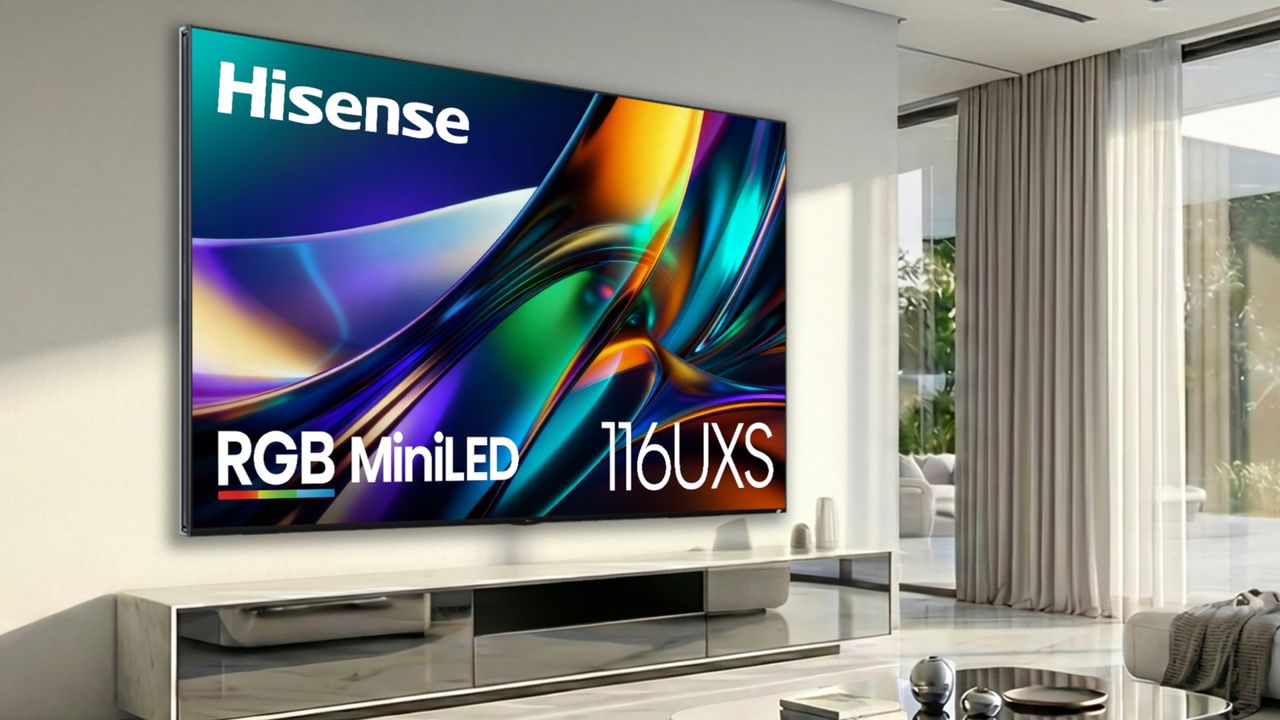


Hisense Is RGB LED In 55 100 Inch Televisions By 2026 1 Large . Hisense TV Lineup 2026 New RGB Mini LED TVs And A Huge Micro LED Upgrade. 8 Best Hisense TVs March 2026 Tested Reviewed Best Hisense TVs . Hisense Unveils Its 2026 Lineup Of TVs Including UX ULED And CanvasTV 116UXS Edited 1280x640 . Amazon Com Hisense 65 U7 Mini LED ULED 4K UHD Best Premium Gaming 722a3ea0 7ba8 4341 959c PT0 SX1464 V1
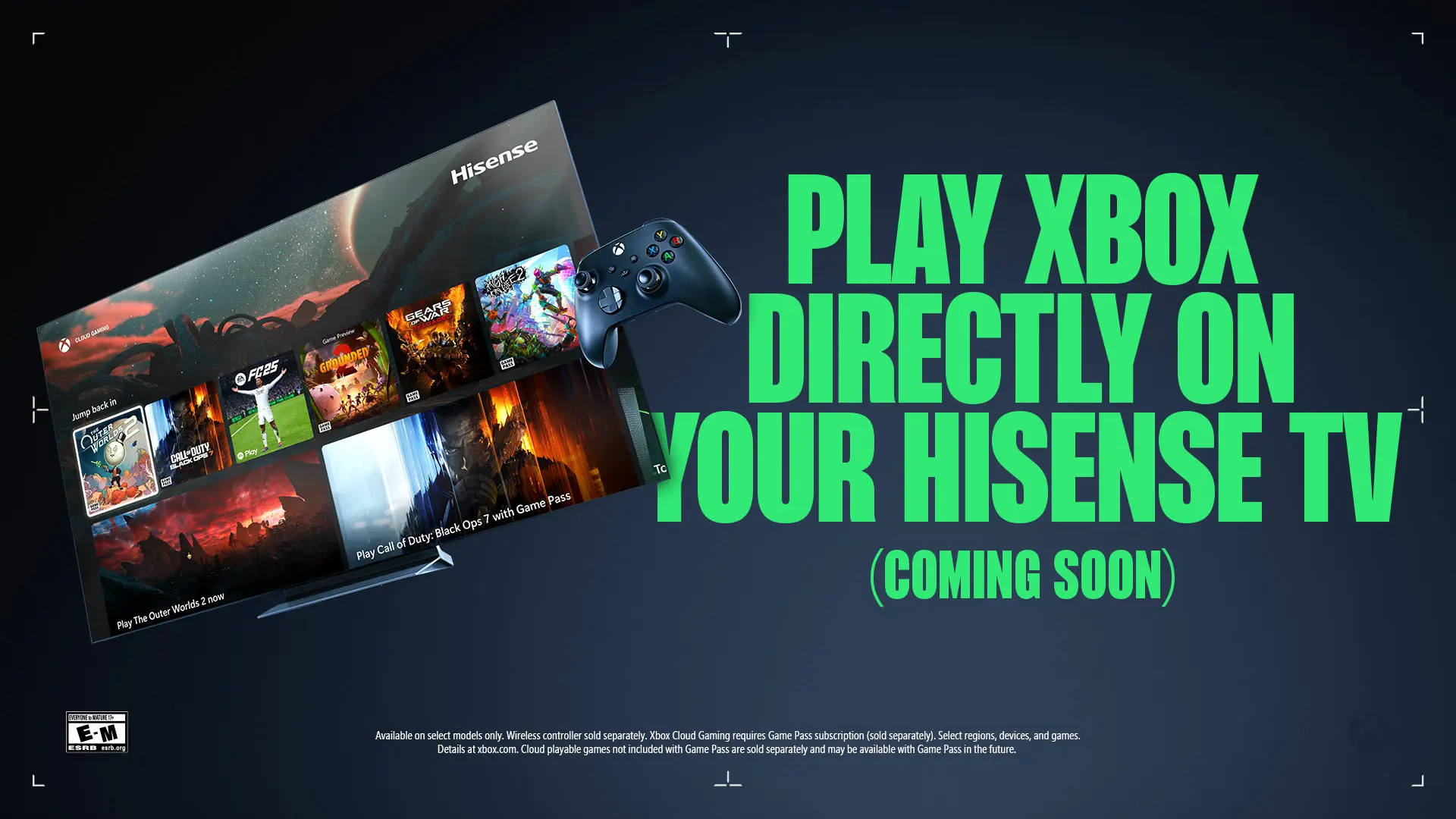

Xbox Cloud Gaming Kommt 2026 Auf Hisense Smart TVs Xcg. Best Gaming TVs In 2026 Top Picks For Epic Play Sessions Hisense 65 Inch Class U8 Series Tv . Good News For People With Hisense TVs In South Africa MyBroadband Hisense TV 100 Inch Headline . Best Hisense TV 2026 Expert Reviews Of Top Models Featured Image 5gwqmz01 . The 9 Top Gaming TVs In 2026 For PS5 And Xbox Gaming Hisense ULED Premium 65U7G QLED Series


8 Best Hisense TVs June 2026 Models For Every Budget B0DN6VXFLL Customer 1 768x453 . Best Gaming Settings For Hisense Smart TV 2026 YouTube . 12 Best TVS For Gaming In 2026 With Ultra Low Input Lag Mad Tasting Top Gaming Tvs 2026 Fd6nx . Best 4K TV For Gaming 2026 Reviews. The Best Gaming TVs For 2026 Hisense 65u8qg Zden.492


Our Top Best Selling Hisense TVs Of 2026 Hisense Lifestyle Tv Image 65 Inc . 8 Best Hisense TVs June 2026 Models For Every Budget Best Hisense TVs . Hisense 55 Inch TV Gets Discounted On Amazon Includes Good Gaming Hisense 55 Inch TV Gets Discounted On Amazon Includes Good Gaming Features . Best Hisense TVs For Gaming In 2026 Latest Models WhalesDev Hisense U8K New . 8 Best Hisense TVs February 2026 Complete Guide Featured Image 4pe9iqs1
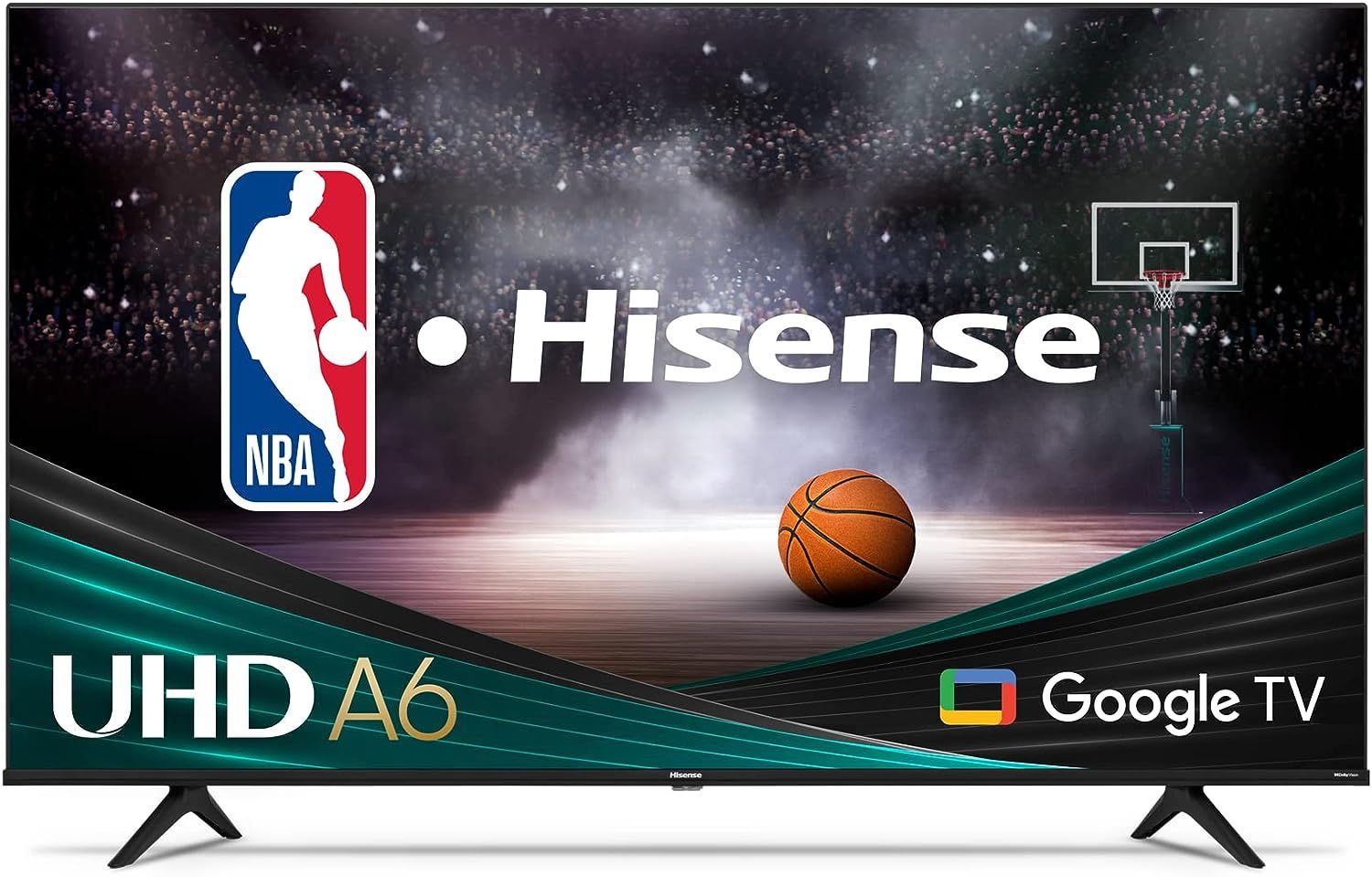


Hisense TVs 2026 Review The Appliances Reviews Hisense 163MX . Are Hisense TVs Good For Gaming Hisense 70 Inch A6 Uhd Tv . 8 Best Hisense TVs February 2026 Complete Guide 41EBP54nYuL . 8 Best Hisense TVs February 2026 Complete Guide 41HePIUqxQL . Hisense 2026 ULED MiniLED TVs U6 And U7 Buyer Guide Gearbrain Product Shot Of Hisense U7 Series Miniled Tvs 2026


8 Best Hisense TVs March 2026 Models For Every Budget 41aLl553wTL . 8 Best Hisense TVs June 2026 Models For Every Budget 41z3c3Nw FL . 8 Best Hisense TVs February 2026 Complete Guide 41LmeYB 37L . Best Hisense TVs For PS5 In 2026 Latest Models WhalesDev Hisense U7n Ryan Epps 1024x576 . Best Hisense TVs For Gaming In 2026 Latest Models WhalesDev Hisense U7n Ryan Epps 696x392


The 5 Best TVS For Gaming In 2026 With Low Input Lag For Seamless Play Top Gaming Tvs 2026 N368q . Best Hisense TVs For Gaming In 2026 Latest Models WhalesDev Hisense U8N . Top 5 Hisense TVs For Gaming Unleash Your Gaming Potential Hisense Tv For Gaming Combined Image . The Best Hisense TVs Of 2026 Business Insider. The Best Gaming TVs For 2026 Hisense 65u65qf Mmga.640