Navigating the complex world of gaming hardware can feel like a boss battle itself, especially when trying to understand the processor's role. Many gamers, particularly those balancing careers and family, wonder if investing in a high-end CPU truly makes a difference or if it's just marketing hype. This guide dives deep into whether the processor matters for gaming, dissecting its impact on frame rates, multitasking, and overall system responsiveness. We will explore how your CPU works alongside your GPU, identify potential bottlenecks, and offer practical advice for optimizing your setup on a budget. Learn how to make informed upgrade decisions to enhance your gaming sessions, whether you are unwinding with a cozy game or diving into a competitive online match. Discover the balance between performance and value, ensuring your gaming PC keeps up with the latest trends and your social gaming needs without breaking the bank or taking up precious time. Get ready to level up your hardware knowledge and boost your gaming experience.
Related games- How To Moonwalk On Roblox Master The Iconic Move
- How to Make Money Fast in GTA 5 Online Guide
- GTA 5 Cheats Xbox One Phone Guide Instant Fun
- Fix Roblox Lag: A Gamer's Guide to Smooth Play
- Guide to Roblox Customer Support: No Phone Number?
Q: How critical is the CPU for competitive esports titles like Valorant or CS2?
A: For competitive esports titles, the CPU is exceptionally critical. These games often prioritize high, consistent frame rates over raw graphical fidelity, meaning the CPU's ability to quickly process game logic, player inputs, and deliver frames to the GPU becomes paramount. A strong CPU minimizes input lag, maintains stable minimum FPS during intense moments, and ensures you're not at a disadvantage due to hardware limitations. While a powerful GPU helps render at high refresh rates, a robust CPU is the backbone for delivering the hundreds of frames per second competitive players demand, enabling smoother aim and quicker reactions. It's truly vital for gaining that competitive edge and enhancing skill-building.
Q: Can a low-end CPU limit my high-refresh-rate monitor's potential?
A: Absolutely, yes! A low-end CPU can severely limit your high-refresh-rate monitor's potential. If your CPU can't generate enough frames per second to match your monitor's refresh rate (e.g., 144Hz, 240Hz), you won't experience the full smoothness and responsiveness that the monitor offers, regardless of your GPU. For instance, if your 144Hz monitor is capable of displaying 144 FPS, but your CPU can only push out 80-90 FPS in your favorite game, you're essentially wasting the monitor's capabilities. A balanced system, where the CPU can consistently hit or exceed your monitor's refresh rate target, is crucial for maximizing your high-refresh-rate gaming experience.
Q: What role does the CPU play in game loading times and overall system responsiveness?
A: Beyond just in-game performance, your CPU plays a significant role in game loading times and overall system responsiveness. While an SSD is the primary factor for fast loading, the CPU handles the decompression of game assets and coordinates the loading process, meaning a faster CPU can significantly reduce the time you spend staring at loading screens. Furthermore, for general system responsiveness, such as switching between applications, browsing the web, or quickly opening files while your game is running in the background, a capable CPU ensures everything feels snappy and fluid. For gamers who use their PC for more than just gaming—like balancing work or family tasks—a strong CPU makes the entire computing experience smoother and more efficient, enhancing that crucial relaxation time.
Q: How do integrated graphics on a CPU perform for gaming compared to a dedicated GPU?
A: Integrated graphics (iGPUs) on a CPU offer a much lower level of gaming performance compared to even a budget-dedicated GPU. While modern iGPUs have improved significantly, capable of handling older titles or very light indie games at 720p or 1080p with low settings, they are not designed for demanding modern AAA titles, esports at high frame rates, or immersive VR experiences. A dedicated GPU has its own high-speed memory and far more processing power specifically optimized for graphics rendering. For serious gaming, or even for a consistently smooth 1080p experience, a dedicated GPU is almost always a necessity. Integrated graphics are best suited for non-gaming tasks, temporary use, or extremely casual gaming, not for gamers focused on performance optimization or staying current with major releases.
Q: Does CPU brand (Intel vs AMD) make a major difference for gaming performance?
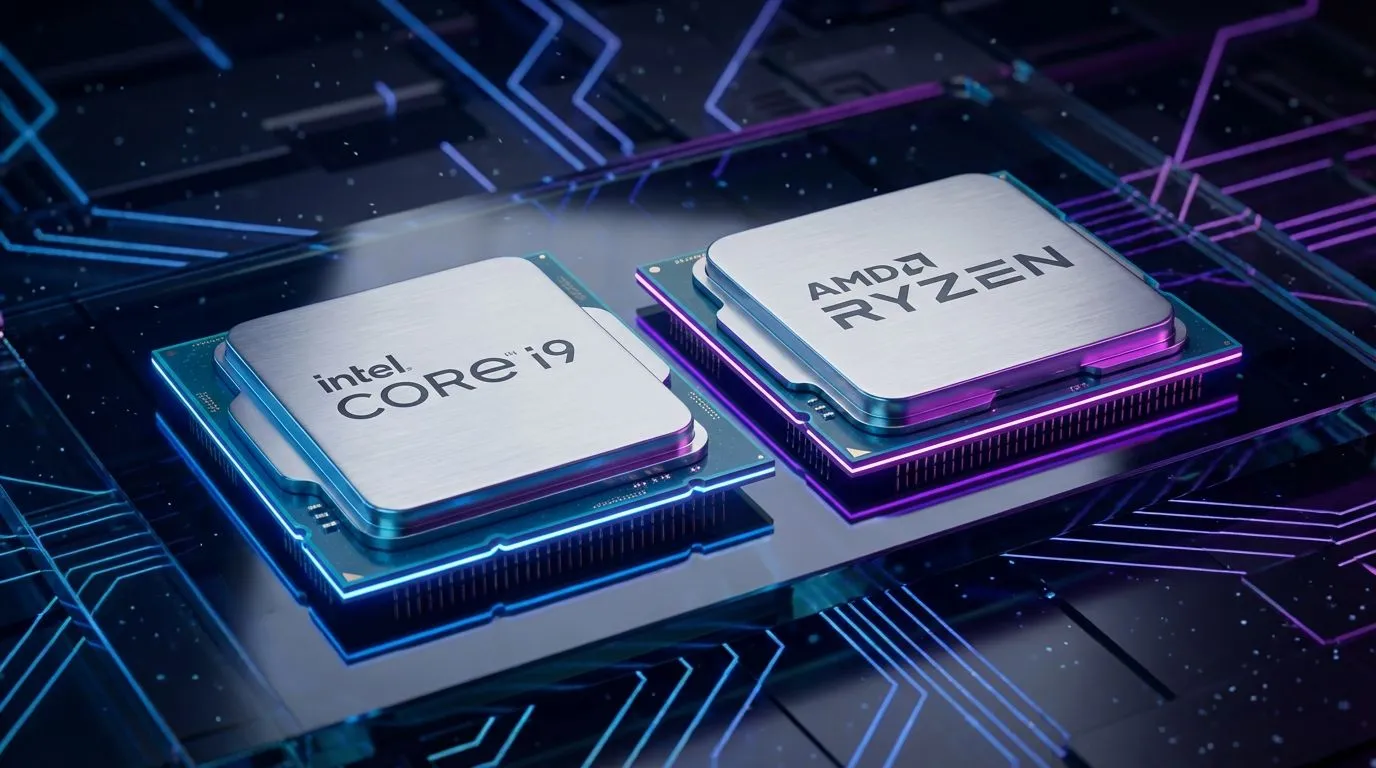
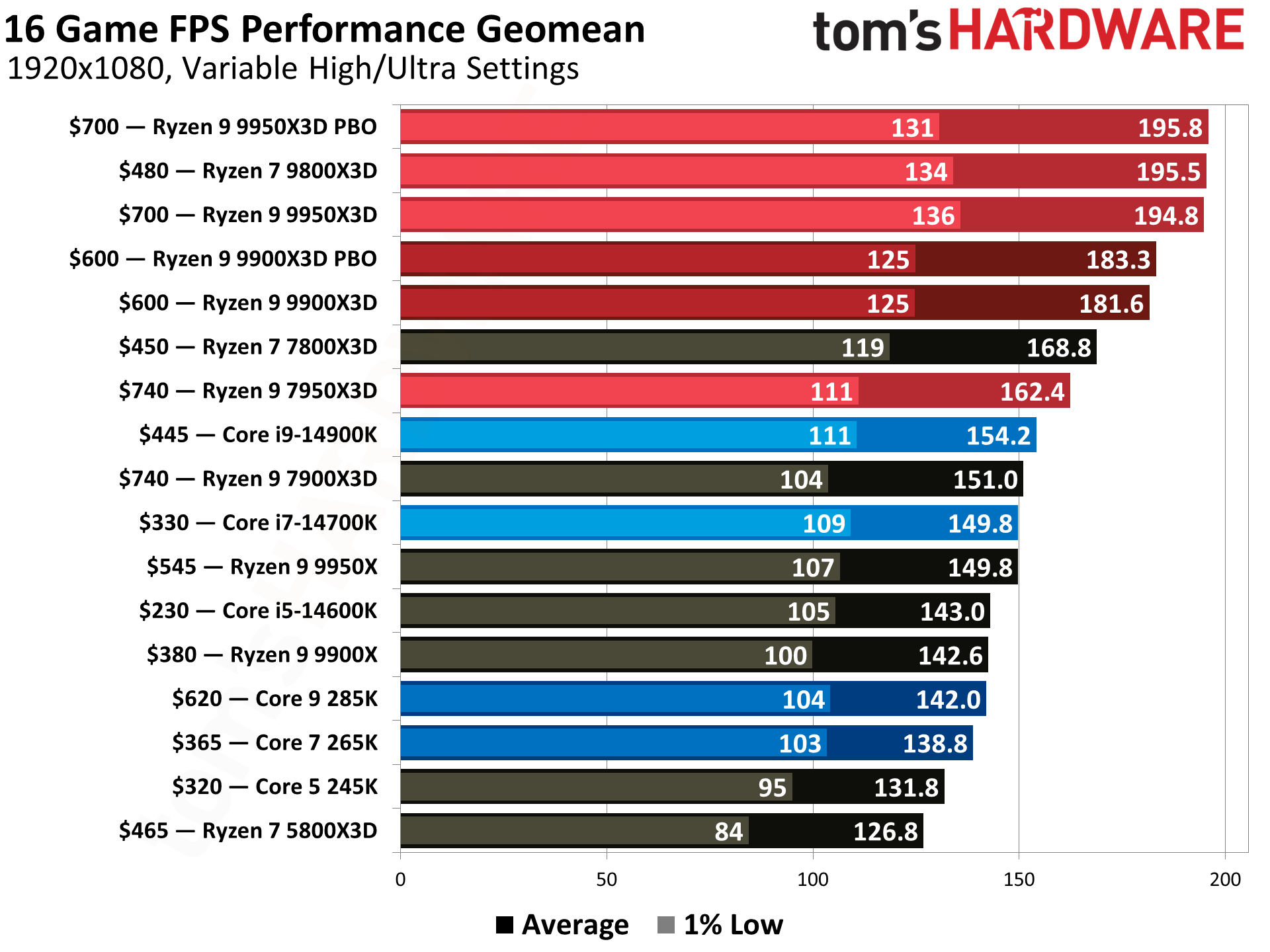
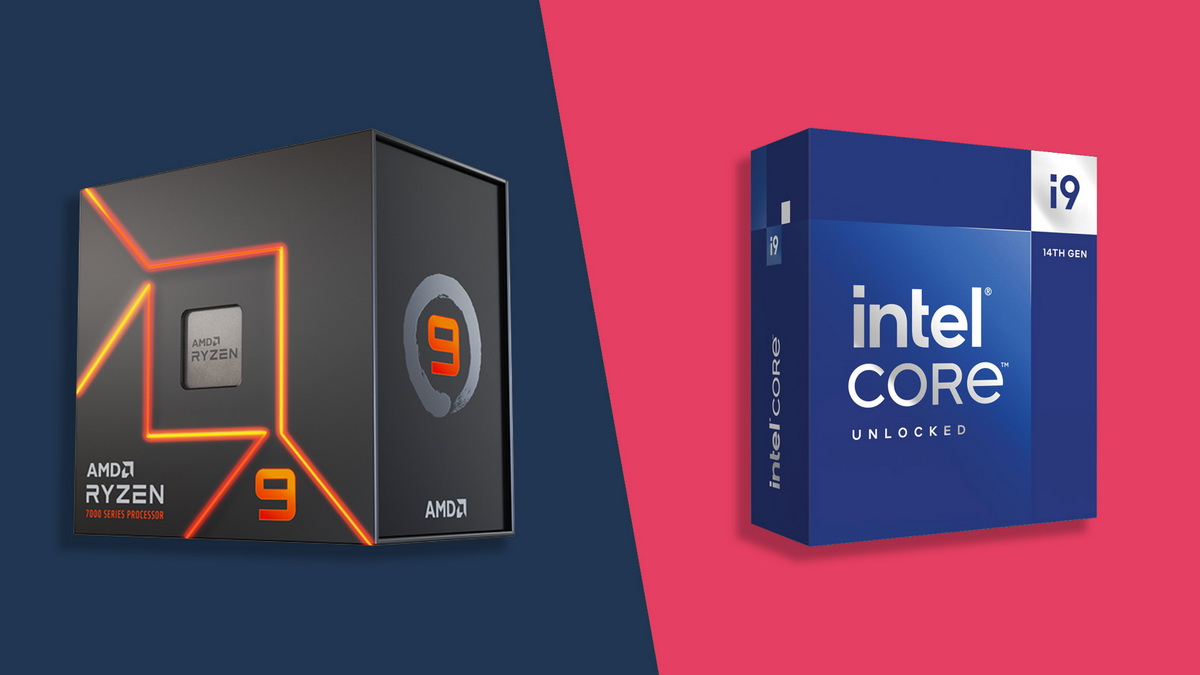
A: In 2026, both Intel and AMD produce excellent gaming CPUs, and the "brand" itself makes less of a difference than the specific CPU model and its generation. Historically, Intel often had a slight edge in single-core performance, while AMD excelled in multi-core tasks, but these gaps have significantly narrowed, with both companies consistently trading blows for gaming supremacy depending on the specific price point and game. Instead of brand loyalty, focus on reviewing current benchmarks for the games you play, comparing specific CPU models within your budget from both manufacturers. Either brand can offer a fantastic gaming experience; the key is choosing the right model that balances cores, clock speed, and price for your needs, ensuring value for money rather than following hype.
Q: Can overclocking my CPU significantly improve gaming performance?
A: Overclocking your CPU can provide a modest improvement in gaming performance, typically ranging from 5-15% increase in FPS, especially in CPU-bound scenarios. This boost comes from increasing your CPU's clock speed beyond its factory settings. However, it's not a magical solution and comes with caveats: it requires a compatible CPU (usually 'K' or 'X' series for Intel, most Ryzen CPUs for AMD), a robust motherboard, and an excellent cooling solution (air or liquid) to prevent thermal throttling and ensure stability. Overclocking also increases power consumption and heat generation. For the average gamer who values stability and convenience, the effort, cost of better cooling, and potential risks might not outweigh the relatively small performance gains. For enthusiasts, it's a way to squeeze every last bit of performance from their hardware, enhancing skill-building on a budget.
Q: What is hyper-threading or SMT, and how does it help gaming?
A: Hyper-threading (Intel) or Simultaneous Multi-threading (SMT, AMD) is a technology that allows each physical CPU core to run two threads concurrently, making a single core appear as two logical cores to the operating system. This essentially doubles the number of tasks a core can handle at once. For gaming, this helps by improving CPU utilization, especially in games that are well-optimized for multi-threading or when you're multitasking heavily (e.g., streaming, having multiple browser tabs open, running Discord). While it doesn't double gaming performance (as the two threads share resources), it can provide a noticeable boost to minimum frame rates, reduce stuttering, and ensure smoother background processes, leading to a more consistent and enjoyable gaming experience, particularly for the social gamer balancing many applications.
Guide: Does Your CPU Truly Matter For Gaming Performance
Ever found yourself staring at a loading screen, feeling that familiar pang of impatience, or watching your frame rates dip during an intense firefight? If you’re like many US gamers, juggling a job, family, and life, your precious gaming time is limited, and you want every moment to count. We crave that smooth, immersive experience, whether we’re unwinding with a cozy simulator, building skills in an arena shooter, or connecting with friends in a vast open-world. But often, the question arises: when we’re considering upgrades or troubleshooting performance, does the processor matter for gaming as much as, say, the graphics card? It’s a common dilemma, and one that often leads to confusion and wasted money if not approached correctly. After all, 87% of US gamers regularly spend an average of 10+ hours a week in virtual worlds, a significant investment of time that demands a responsive system.
Many of us are looking for practical solutions to get the most out of our rigs without breaking the bank or spending hours poring over technical specs. We want performance optimization, value for money, and the ability to stay current with popular titles and social gaming trends without the usual hype. This comprehensive guide is designed to demystify the role of your Central Processing Unit, or CPU, in your gaming experience. We’re going to tackle those burning questions head-on, from understanding bottlenecks to making smart upgrade choices that fit your budget and busy lifestyle. By the end, you’ll have a clear picture of how your processor contributes to your gaming fun and how to ensure it’s not holding you back from your next epic adventure or vital social gathering on Discord. Let's dive in and unlock your system's full potential!
Does the Processor Really Matter for Gaming?
Absolutely, yes, the processor matters for gaming, often more than you might initially think! While the graphics card (GPU) typically handles the heavy lifting of rendering visuals, your CPU is the brain coordinating everything else. It processes game logic, artificial intelligence (AI), physics calculations, player inputs, and manages data flow between all your components, including feeding instructions to the GPU. Without a capable CPU, even the most powerful graphics card can't perform at its peak, leading to frustrating performance bottlenecks, lower frame rates, and inconsistent gameplay. For the average gamer who values smooth, uninterrupted sessions, a well-matched CPU is crucial for a balanced and enjoyable experience, especially as modern games become more complex and demand more from all hardware.
How Does a CPU Influence Your Game's Performance and FPS?
Your CPU influences game performance and frames per second (FPS) in several key ways. It calculates everything that isn't purely graphical. Think about the hundreds of NPCs moving around in a city, complex environmental interactions, or even how your character reacts to hitting an enemy – that's all CPU work. A faster CPU can process these instructions more quickly, allowing the game engine to keep pace and deliver more frames to your GPU. If your CPU can't keep up, it can't feed the GPU enough data fast enough, causing the GPU to wait. This waiting game, known as a CPU bottleneck, directly translates to lower and choppier FPS, even if your graphics card is otherwise powerful. In games that feature large open worlds, many characters, or sophisticated physics, the CPU's role in maintaining high, stable frame rates becomes critically apparent, impacting everything from competitive esports titles to immersive single-player adventures.
When Is Your CPU a Bottleneck in Your Gaming Rig?
A CPU bottleneck occurs when your processor can't supply data to your graphics card fast enough, forcing the GPU to wait for instructions and thus underutilizing its full potential. You can often spot a CPU bottleneck by monitoring your system resources. If your GPU usage is consistently low (e.g., 50-70%) while your CPU usage is consistently high (e.g., 90-100%) during demanding gaming sessions, particularly in CPU-intensive games or scenarios (like crowded cityscapes or large-scale battles), your CPU is likely holding back your GPU. Another indicator is if upgrading your GPU doesn't lead to the expected jump in FPS, or if you experience stuttering and frame drops even when your GPU isn't at 99% usage. Modern games, especially those with complex AI or multiplayer components, can stress older or lower-core-count CPUs, making bottlenecking a common frustration for gamers seeking optimal performance and smooth social play.
CPU vs. GPU: Which is More Important for Gaming?
This is a classic debate, but the truth is, neither is "more important" than the other; they are equally crucial components that work in tandem. The GPU (Graphics Processing Unit) is predominantly responsible for rendering the visuals you see on your screen – textures, lighting, shadows, and all the graphical fidelity. For higher resolutions (1440p, 4K) and demanding visual settings, a powerful GPU is indispensable. The CPU (Central Processing Unit), on the other hand, handles the game's core logic, AI, physics, and instructs the GPU on what to render. In simpler terms, the CPU sets up the scene, and the GPU paints it. For a balanced system, especially for gamers who also stream, multitask, or play competitive titles where high frame rates are key, a strong CPU is just as vital. You need a synergistic pair; an overpowered GPU paired with a weak CPU will bottleneck, and vice versa. Aim for a balanced build where neither component significantly limits the other, ensuring you get the most value for your hardware investment and enjoy consistent performance in every game.
What CPU Specs Should Gamers Prioritize for Modern Games?
For modern gaming in 2026, gamers balancing life and play should prioritize several key CPU specifications to ensure a smooth and future-proof experience without overspending.
Cores and Threads: Aim for at least 6 cores and 12 threads. While some games are still primarily single-threaded, newer titles and background tasks (like Discord, streaming software, or browser tabs) benefit immensely from more cores. This is especially true for the 60% of gamers who value social play and multitask while gaming.
Clock Speed (GHz): A high base and boost clock speed are critical for gaming performance, as many game engines still thrive on fast single-core performance. Look for CPUs with boost clocks reaching 4.5GHz or higher.
Cache Size: A larger L3 cache can significantly reduce latency and improve performance in CPU-intensive games by providing faster access to frequently used data.
Generation and Architecture: Newer generations of CPUs (e.g., Intel's latest Core i5/i7 or AMD's Ryzen 5/7 series) offer significant architectural improvements, leading to better efficiency and performance per clock cycle, even if raw core/thread counts seem similar to older models. Staying within the last two generations typically offers the best balance of performance and value.
Focusing on these specs will ensure your CPU can handle demanding titles, multitasking, and provide a solid foundation for your gaming rig, delivering the consistent performance needed for both competitive play and relaxing sessions.
How Do CPU Cores and Clock Speed Impact Gaming?
CPU cores are essentially individual processing units within the chip, each capable of handling a separate task. Clock speed, measured in gigahertz (GHz), indicates how many cycles per second a core can execute.
Cores: For gaming, more cores generally benefit multitasking and games optimized for multi-threading. Older games often rely heavily on one or two strong cores, while newer AAA titles and those with complex AI (like the latest strategy games or detailed RPGs) can leverage 6 or even 8 cores effectively. If you're a gamer who loves to stream, chat on Discord, or run background applications while playing, having more cores prevents performance dips and keeps your system responsive. The trend this month shows a growing number of games utilizing more cores, making at least 6 cores a sensible investment.
Clock Speed: High clock speed is crucial for raw, instantaneous processing power per core. Many game engines still have segments that primarily utilize a single core, so a high clock speed ensures those operations are executed as fast as possible, directly impacting maximum FPS and minimizing stutter. While multiple cores handle parallel tasks, individual core speed often dictates the baseline fluidity of gameplay. Achieving a balance between sufficient cores for multitasking and high clock speeds for single-threaded game performance is key for a well-rounded gaming experience.
Think of it like a team of chefs (cores) preparing a meal (game). More chefs can handle more dishes simultaneously (multitasking), but how fast each chef chops and stirs (clock speed) determines how quickly individual ingredients are prepared.
Can a Better CPU Improve Your Streaming and Multitasking While Gaming?
Absolutely! A better, more powerful CPU can dramatically improve your streaming and multitasking experience while gaming, which is a huge plus for many modern gamers. If you're part of the growing demographic that enjoys sharing your gameplay on platforms like Twitch or YouTube, or if you're frequently hopping between a game, Discord calls with friends, web browsers, and productivity apps, your CPU takes on a heavy workload beyond just running the game itself. A CPU with more cores and threads, coupled with higher clock speeds, can efficiently manage these simultaneous tasks. It dedicates resources to game rendering, encodes your video stream in real-time without significant FPS drops in-game, and keeps background applications running smoothly. This prevents stuttering, ensures clear audio and video for your audience, and maintains a responsive system for you. For gamers who use their PC for both relaxation and content creation, or simply love staying connected with their community, a capable CPU is an investment in a seamless and enjoyable multitasking environment.
Is It Worth Upgrading Your CPU for Older or Indie Games?
Generally, upgrading your CPU primarily for older or less graphically demanding indie games isn't the most impactful use of your budget. Many older games were designed with fewer cores in mind and often rely more on single-core performance, which even mid-range CPUs from a few generations ago can handle proficiently. Indie games are often optimized to run on a wide range of hardware, meaning they rarely push modern CPUs to their limits. However, there are exceptions:
Severe Bottlenecks: If you have a truly ancient CPU that's bottlenecking even a modest GPU in older titles, a CPU upgrade would provide a noticeable boost to minimum FPS and overall stability.
Multitasking: If you play older games but also frequently stream, record, or run many background applications, a newer CPU with more cores will significantly enhance that multitasking capability, even if the game itself doesn't demand it.
Future-proofing: An upgrade now could also prepare your system for newer, more demanding titles that you might pick up later, offering a blend of immediate benefit and future readiness.
Before upgrading, check your CPU and GPU usage in your favorite older titles. If your GPU usage is consistently low while your CPU is maxed out, an upgrade might be warranted. Otherwise, your money might be better spent elsewhere, perhaps on a better monitor or an SSD if you don't have one, as those offer more universal improvements to the gaming experience for a broader range of titles.
What Are Budget-Friendly CPU Upgrade Strategies for Gamers?
Upgrading your CPU on a budget requires smart planning, especially for gamers who balance life and hobbies. Here are some strategies:
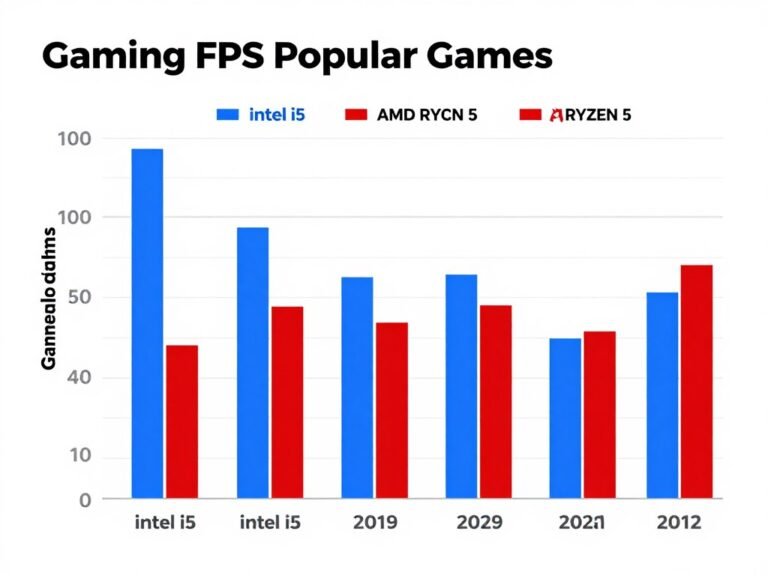
Mid-Range Sweet Spot: Instead of aiming for the absolute top-tier, look for mid-range CPUs from the latest or previous generation (e.g., Intel Core i5 or AMD Ryzen 5 series). These often offer incredible price-to-performance ratios for gaming and general use, hitting the sweet spot for value-conscious gamers.
Consider Used Marketplaces: Websites like eBay, r/hardwareswap, or local classifieds can be treasure troves for slightly older but still powerful CPUs. Always buy from reputable sellers and understand the risks, but significant savings are possible.
Platform Upgrade: Sometimes, a CPU upgrade means a motherboard and RAM upgrade too, which can blow the budget. Before you dive in, check if your current motherboard can support a newer, more powerful CPU within the same socket type (e.g., upgrading from an older Ryzen 3 to a Ryzen 7 on an AM4 board). This saves a lot of money.
Wait for Sales: Major holidays (Black Friday, Cyber Monday, Prime Day) or back-to-school sales are excellent times to snag deals on processors. Patience can pay off handsomely, aligning with the "value for money" aspect many gamers prioritize.
Assess Your Needs: Be honest about the games you play. If you stick to less demanding titles or prioritize social games and older classics, you might not need the absolute latest and greatest. A slightly older, higher-core-count CPU might be perfect for your multitasking and gaming habits without overspending. For example, an older generation Ryzen 7 might be cheaper but still offer excellent performance for the types of games popular this month, particularly social games or free-to-play titles that don't always demand bleeding-edge hardware.
By employing these strategies, you can significantly boost your gaming performance without sacrificing your budget, ensuring you get maximum fun and relaxation from your gaming rig.
How Can I Check If My Current CPU Is Good Enough?
Determining if your current CPU is "good enough" involves a bit of investigation, but it's totally manageable for any gamer.
Monitor Usage: While gaming, use tools like Task Manager (Windows) or third-party utilities like MSI Afterburner (which also shows GPU usage) to monitor your CPU and GPU usage. If your CPU consistently hits 90-100% usage while your GPU hovers much lower (e.g., 50-70%), your CPU is likely a bottleneck. If both are high, your system is balanced. If both are low, you might have a different issue (like V-sync enabled or a game cap).
Check Game Requirements: Look at the recommended system requirements for the games you want to play. Compare your CPU to the listed processors. If you're below the recommended, an upgrade might improve your experience.
Benchmark Your System: Run a few reputable gaming benchmarks (e.g., 3DMark, Cinebench for CPU) and compare your scores to similar systems online. This gives you a clear performance metric.
Read Reviews/Watch Comparisons: Search for "[Your CPU Model] vs [Current Game Title] benchmarks" on YouTube or tech review sites. Seeing how your specific CPU performs in games you care about can provide direct insights.
This approach allows you to make an informed decision, ensuring you only upgrade if it genuinely benefits your specific gaming habits and helps resolve any performance issues you're experiencing, helping you spend your gaming budget wisely.
How Much Does a Good Gaming CPU Cost in 2026?
In 2026, the cost of a "good" gaming CPU can vary significantly based on your performance expectations and budget.
Entry-Level (around $150-$250): You can find solid 4-6 core CPUs (e.g., Intel Core i3 or AMD Ryzen 3/5 series from the previous generation) that offer decent 1080p gaming performance, especially when paired with a mid-range GPU. These are great for F2P titles, social games, and older AAA games, providing excellent value for casual gamers or those on a strict budget.
Mid-Range Sweet Spot (around $250-$400): This is where most gamers find the best balance of price and performance. Current-generation Intel Core i5 or AMD Ryzen 5 processors, often with 6-8 cores and strong clock speeds, will easily handle 1080p and 1440p gaming, provide ample power for multitasking and light streaming, and stay relevant for several years. This segment is highly recommended for the average gamer looking for performance optimization without overspending.
High-End Performance (around $400-$600+): For competitive gamers, enthusiasts, or those who heavily stream and create content, current-generation Intel Core i7/i9 or AMD Ryzen 7/9 CPUs offer top-tier performance with higher core counts (8-16+) and maximum clock speeds. These provide the highest frame rates, eliminate virtually all CPU bottlenecks, and excel in demanding applications, ensuring a premium experience in all the latest VR experiments and major titles.
Remember that CPU prices fluctuate, and sales are common. Always factor in the cost of a compatible motherboard and RAM if you're doing a full platform upgrade, as these can add significantly to the overall investment.
Will Processor Technology Keep Evolving for Gaming, and How Can I Stay Current?
Absolutely, processor technology will continue its rapid evolution for gaming! Chip manufacturers like Intel and AMD are constantly innovating, pushing boundaries with more efficient architectures, higher core counts, faster clock speeds, and integrated AI capabilities. This ongoing development means future games will likely demand even more processing power, especially as developers explore more complex physics, more intelligent AI, and increasingly detailed open worlds, not to mention advancements in VR and AI-driven gaming experiences.
To stay current without succumbing to constant upgrade cycles and hype, savvy gamers should:
Research Smart: Instead of blindly buying the newest release, look for benchmarks and reviews from trusted tech sites that focus on real-world gaming performance. Pay attention to performance-per-dollar metrics, especially for the types of games you enjoy.
Monitor Trends: Keep an eye on gaming news and major hardware announcements, but don't feel pressured to upgrade immediately. Often, the previous generation still offers excellent value.
Balance Your Rig: Focus on a balanced system where your CPU and GPU complement each other. An overpowered CPU with an underspecced GPU (or vice-versa) is inefficient.
Consider Platform Longevity: Some CPU platforms (like AMD's AM4 or AM5) have a history of supporting multiple generations of processors, allowing for easier, more budget-friendly CPU-only upgrades down the line.
Staying current doesn't mean buying the best every year; it means making informed, strategic decisions that align with your gaming habits and budget, ensuring you enjoy your games to the fullest for years to come without unnecessary expenses.
Conclusion: Powering Your Playtime Smartly
So, does the processor matter for gaming? The clear answer is a resounding yes! Your CPU is a fundamental pillar of your gaming experience, crucial for everything from maintaining high frame rates in your favorite competitive titles to ensuring smooth multitasking while you chat with friends on Discord. For the busy US gamer, understanding your processor's role isn't about becoming a tech expert, but about making smart choices that maximize your precious gaming time and budget. We've explored how a powerful CPU prevents bottlenecks, enhances streaming, and contributes to the overall fluidity that makes gaming truly relaxing and fun. Remember, a balanced system is a happy system – ensure your CPU and GPU work together in harmony to deliver the performance you deserve without overspending. Whether you’re upgrading for the latest AAA epic or simply want smoother performance in your daily social games, an informed decision about your processor can significantly elevate your digital adventures.
What's your biggest gaming challenge when it comes to hardware? Comment below and let's help each other out!
Frequently Asked Questions (FAQ)
Q: Can a strong CPU compensate for a weak GPU?
A: Not entirely. While a strong CPU can prevent bottlenecks and maintain stable minimum frame rates, it cannot render complex graphics that a weak GPU struggles with. You'll still be limited by your GPU's visual processing power.
Q: What are the main signs of a CPU bottleneck?
A: Key signs include low GPU usage (e.g., under 80%) while CPU usage is very high (90-100%) during gaming, particularly noticeable stuttering or frame drops in CPU-intensive game areas, and minimal FPS improvement after upgrading only your GPU.
Q: Do all games benefit equally from a powerful CPU?
A: No. Games with complex AI, large open worlds, many on-screen characters, or high frame rate targets (like esports titles) benefit significantly. Graphically intense, story-driven games at higher resolutions often lean more heavily on the GPU.
Q: Is it better to have a faster CPU or more RAM for gaming?
A: Both are important, but generally, a faster CPU will have a more direct impact on game performance (especially FPS) than increasing RAM beyond 16GB. However, insufficient RAM (e.g., less than 16GB) can also cause significant stuttering.
Q: Should I buy an Intel or AMD CPU for gaming?
A: Both Intel and AMD offer excellent gaming CPUs. The choice often comes down to specific models, price, and current generation performance. Both brands are highly competitive, so always check the latest benchmarks for your budget and performance needs. This month, both companies have strong contenders.
Q: How often should I upgrade my gaming CPU?
A: For most gamers, upgrading your CPU every 3-5 years is a reasonable cadence to keep up with game demands and new technologies without excessive spending. If your performance is satisfactory and you're not bottlenecking, there's no urgent need to upgrade.
Processor impacts gaming performance, especially frame rates and multitasking. Understanding CPU-GPU synergy prevents bottlenecks. Budget-friendly upgrade strategies exist. Future-proofing your rig for new game releases and social gaming is key. Learn to balance value and performance for optimal relaxation and competitive play.
34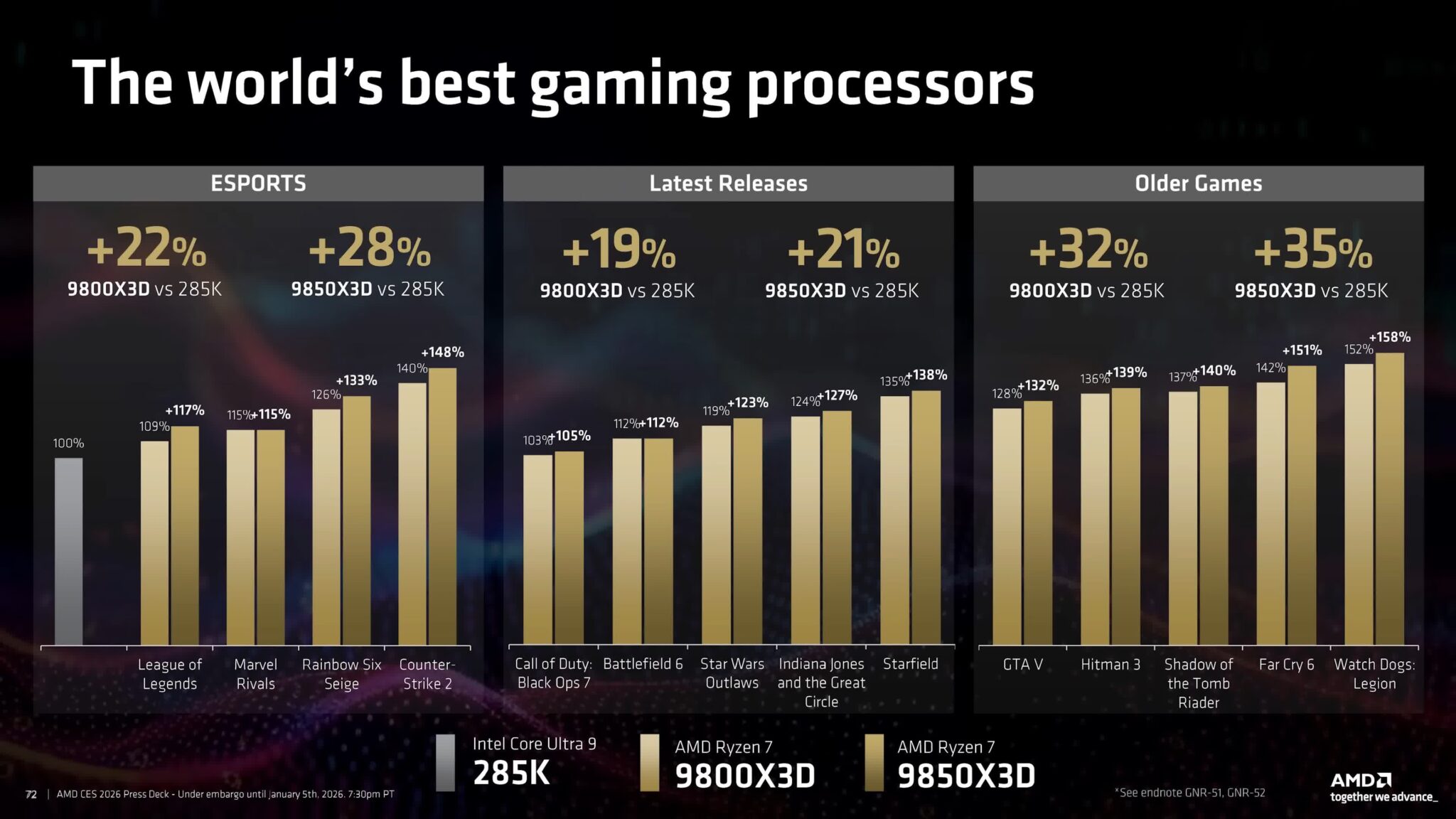


CES 2026 AMD Apresenta Ryzen 7 9850X3D Para Manter Lideran A No Tabela AMD Gaming Scaled . CES 2026 Intel Reveals Core Ultra 300 Series 3 Processor Lineup Xc Intel CES 2026 Core Ultra Series 3 Global Launch Press Deck FINAL 40 . 2026 CPU Showdown Intel Vs AMD Intel Vs Amd 2026 Which Cpu Platform Wins Banner.webp. 2026 CPU Launches AMD Intel NVIDIA Buy Now Or Wait YouTube . Best CPU For Gaming 2026 Top Gaming Processor The Best CPU For Gaming In 2026 01

2026 CPU Upgrade Timing Cpu Upgrade Cycle 2026 How Long To Wait Banner V1.webp. I5 Vs Ryzen 5 2026 Real Talk From A Builder Who Tested Both Bar Graph Comparing Gaming FPS Results Between Intel I5 And AMD Ryzen 5 Across Multiple Popular 768x576 . Best Xeon Processor For Gaming In 2026 YouTube . Best Gaming Processor 2026 AMD Vs Intel Comparison Complete Guide Cpu Gaming Intel. Best Gaming Intel CPU 2026 8 Models Tested Compared Intel CPU 1024x559


Intel Discloses CPU Roadmap Confirms Nova Lake For 2026 2025 01 31 Image 6 . Best Gaming CPU In 2026 What Processor Should You Choose For Your Gam Cpu 9950x3d . Does Your CPU Matter For Gaming Intel Core . How Cpu Effect Gaming At Miguel Campbell Blog Does CPU GHz Matter For Gaming 1 . Computer Chips Comparison

Best AMD Processor 2026 Avoid These 3 Buying Mistakes Edify WhatsApp Image 2025 12 02 At 123738 27c3aa5d . Best Processor For Laptop Powerful And Fastest In 2026 Gaming Laptop Processor And Performance Setup.webp. CPU Cooling 2026 Air Vs AIO X3D Temps Hardvance Gaminig Monitor Hardvance 1536x961 . How Much Does A Good Gaming PC Cost In 2026 PC Gaming Universe Featimg 2772572 9 . Gaming PC Guide 2026 What Parts Actually Matter Gaming Pc Components On A Black Workbench 1.webp


Best CPU For Gaming In 2026 The Ultimate Guide Blookel Best Cpu For Gaming In 2026 The Ultimate Guide 07ff8b . Best CPU For VR In 2026 Our Top Picks Tested And Reviewed PC Guide Best CPU For Gaming In 2026 Our Top Picks Tested And Reviewed 300x169 . CPU Core Count 2026 Why 4 Core CPUs Are Dead CPU Longevity Timeline 1024x585 . Best Mobile Processor 2026 Top Smartphone Chipsets Compare Best Mobile Processor 2026 - Snapdragon Apple Tensor . CPU Vs GPU For Gaming 2025 What Matters Most 6 Best GPUs For AI And Deep Learning In 2026.webp

Best Budget Gaming CPU 2026 Top Picks Under 200 Switchblade Gaming Best Budget Gaming Cpu 2026.webp. Does CPU Single Core Speed Matter For Gaming WePC Does CPU Single Core Speed Matter For Gaming . 15 Best AMD Ryzen CPUs For Gaming June 2026 Guide Best AMD Ryzen CPUs For Gaming 768x419 . Top Intel Processors 2026 Gaming Work Guide For India Edify WhatsApp Image 2025 12 01 At 153127 950170cb . SPEC CPU 2026 CyberQ Spec Cpu 2026


Best OLED Gaming TV Picks July 2026 B0DXMJGQWC Customer 1 . Fusion Why Does A Good Processor Matter Your Processor Is The Media. The 12 Best Business Macs IMac Mac Mini Mac Studio MacBook In 2026 Best AMZ Ryzen CPU For Gaming . X P H Ng CPU Ch I Game M Nh Nh T 2026 Intel Vs AMD Cpu Choi Game Tot Nhat 2026 1