Building your own gaming PC in 2026 is an empowering journey offering unparalleled performance customization and value. This comprehensive guide helps busy gamers from all walks of life navigate the exciting world of PC construction. Whether you are a dedicated enthusiast balancing family and career or simply seeking better performance for your favorite social games understanding how to select components assemble your rig and troubleshoot common issues is key. We cover everything from choosing the right CPU and GPU for your budget to optimizing settings for seamless gameplay and staying current with evolving trends without breaking the bank. Discover the joy of a custom machine built for your unique needs ensuring every gaming session is an escape into pure enjoyment and skill development. This article addresses common pain points like compatibility concerns budget constraints and performance anxiety making the process accessible and rewarding for every modern US gamer. Learn how to transform your gaming experience today and level up your play.
What are the absolute must-have parts for a basic gaming PC build?
For a basic yet capable gaming PC you need a CPU central processing unit a GPU graphics processing unit a motherboard RAM random access memory an SSD solid state drive for storage a power supply unit PSU and a case. These core components form the foundation of any functional gaming rig ensuring you can run modern titles.
How much money do I really need to build a decent gaming PC in 2026?
A decent gaming PC in 2026 can range from 700 to 1200 US dollars for a solid mid-range system capable of 1080p to 1440p gaming at high settings. Entry-level builds might start around 500-600 dollars while high-end systems can easily exceed 2000 dollars. The key is balancing budget with performance expectations for the games you want to play.
Is building a PC too difficult for someone without technical experience?
Building a PC is surprisingly accessible even for beginners. Modern components are designed for easy installation with clear manuals and numerous online tutorials available. While it requires patience and attention to detail it is more like adult LEGO than complex engineering. With proper guidance you can absolutely succeed.
Where can I find reliable parts and deals for my gaming PC build?
Reliable parts can be found at major online retailers like Amazon Newegg and Micro Center. For deals keep an eye on sales events like Black Friday Cyber Monday or even seasonal promotions. Price comparison sites and community forums like r buildapcsales can also help you snag excellent discounts and ensure you are getting genuine components.
What common mistakes should I avoid when building my first gaming PC?
Common mistakes include forgetting to install the I O shield not seating RAM correctly failing to connect all power cables especially for the GPU and not applying thermal paste to the CPU. Always double-check connections consult your motherboard manual and manage cables neatly to avoid airflow issues. Patience prevents many errors.
What is the benefit of a solid state drive SSD over a traditional hard drive HDD for gaming?
SSDs offer dramatically faster boot times game loading screens and overall system responsiveness compared to HDDs. Modern games are increasingly optimized for SSDs making them almost a mandatory component for a smooth gaming experience. While HDDs are cheaper per gigabyte for bulk storage an SSD for your operating system and primary games is crucial.
How important is proper airflow and cooling in a gaming PC?
Proper airflow and cooling are extremely important. High-performance components generate significant heat and without adequate cooling they can throttle performance and shorten their lifespan. Ensure your case has good intake and exhaust fans and consider an aftermarket CPU cooler for optimal thermal management especially during long gaming sessions. Good airflow equals stable performance.
Ever feel like your gaming rig just can't keep up, or that upgrading means navigating a maze of confusing specs and inflated prices? You're not alone. Many US gamers, balancing busy lives with a passion for virtual worlds, find themselves caught between wanting peak performance and needing value for their hard-earned money. With 87% of US gamers regularly diving into their favorite titles for over 10 hours a week, and social gaming trends like Discord parties and co-op adventures dominating the scene this month, a reliable, powerful, and personalized gaming PC isn't just a luxury – it's a necessity for relaxation, skill-building, and connecting with friends.
Forget the hype and the endless marketing jargon. This comprehensive guide will show you how to build a gaming PC in 2026 that's perfectly tailored to your needs, whether you're chasing high frames in competitive esports, exploring vast open worlds, or unwinding with cozy social games after a long day. We'll demystify the process, tackle common pain points like hardware compatibility and budget constraints, and empower you to assemble a rig that not only crushes your favorite games but also offers easy upgrades down the line. Get ready to transform your gaming experience, one component at a time, and reclaim control over your digital escape.
Why Should I Build My Own Gaming PC Instead of Buying Pre-Built?
Building your own gaming PC offers superior value, customization, and a deeper understanding of your hardware compared to buying a pre-built system. While pre-builts offer convenience, they often come with unnecessary bloatware, proprietary parts that limit upgrades, and a higher price tag for comparable performance. When you build your own, you handpick every component, ensuring optimal compatibility and performance for your specific needs, ultimately saving money and providing a more satisfying gaming experience.
Think of it like this: a pre-built PC is a ready-made meal; a custom-built one is a gourmet dish you prepare yourself. You control the ingredients (components), the quality, and the budget. This means you can invest more in critical parts like the GPU and CPU, and less in components you don't need or can upgrade later. Furthermore, troubleshooting becomes much easier when you know exactly what's inside and how it all connects. The sense of accomplishment from creating your own powerful machine is also a huge bonus for many gamers balancing their professional lives with their passion.
What Essential Components Do I Need for a Gaming PC in 2026?
A gaming PC requires several core components to function: a Central Processing Unit (CPU), a Graphics Processing Unit (GPU), a Motherboard, RAM (Random Access Memory), storage (SSD/HDD), a Power Supply Unit (PSU), and a PC Case. Each part plays a vital role in processing data, rendering graphics, and housing your system. Selecting these components carefully, ensuring they are compatible, is the first critical step in your build journey.
Here's a quick rundown of the essentials:
- CPU (Processor): The brain of your PC, handling all calculations.
- GPU (Graphics Card): Renders all the visuals for your games, arguably the most important component for gaming performance.
- Motherboard: The central hub connecting all components, ensuring they communicate effectively.
- RAM (Memory): Temporarily stores data for quick access, allowing your system to multitask and load games smoothly.
- Storage (SSD/HDD): Stores your operating system, games, and files. NVMe SSDs are now standard for speed.
- PSU (Power Supply Unit): Converts AC power from your wall outlet into DC power for your components.
- PC Case: Houses all your components, provides airflow, and defines your PC's aesthetic.
- CPU Cooler: Essential for keeping your CPU temperatures in check, especially under gaming loads.
How Do I Choose the Right CPU and GPU for My Gaming Needs?
Choosing the right CPU and GPU depends primarily on your gaming resolution target, desired frame rate, and budget. For 1080p gaming, a mid-range CPU like an Intel Core i5 or AMD Ryzen 5 paired with an NVIDIA RTX 4060 or AMD RX 7700 XT offers excellent performance. For 1440p or even 4K, you'll need to step up to a Core i7/Ryzen 7 and an RTX 4070 Super/RX 7800 XT or higher. It's crucial to strike a balance to avoid a
Unlock superior gaming performance and personalization. Save money by choosing components wisely. Learn essential hardware assembly skills. Optimize your rig for current and future games. Balance gaming with life efficiently.
35
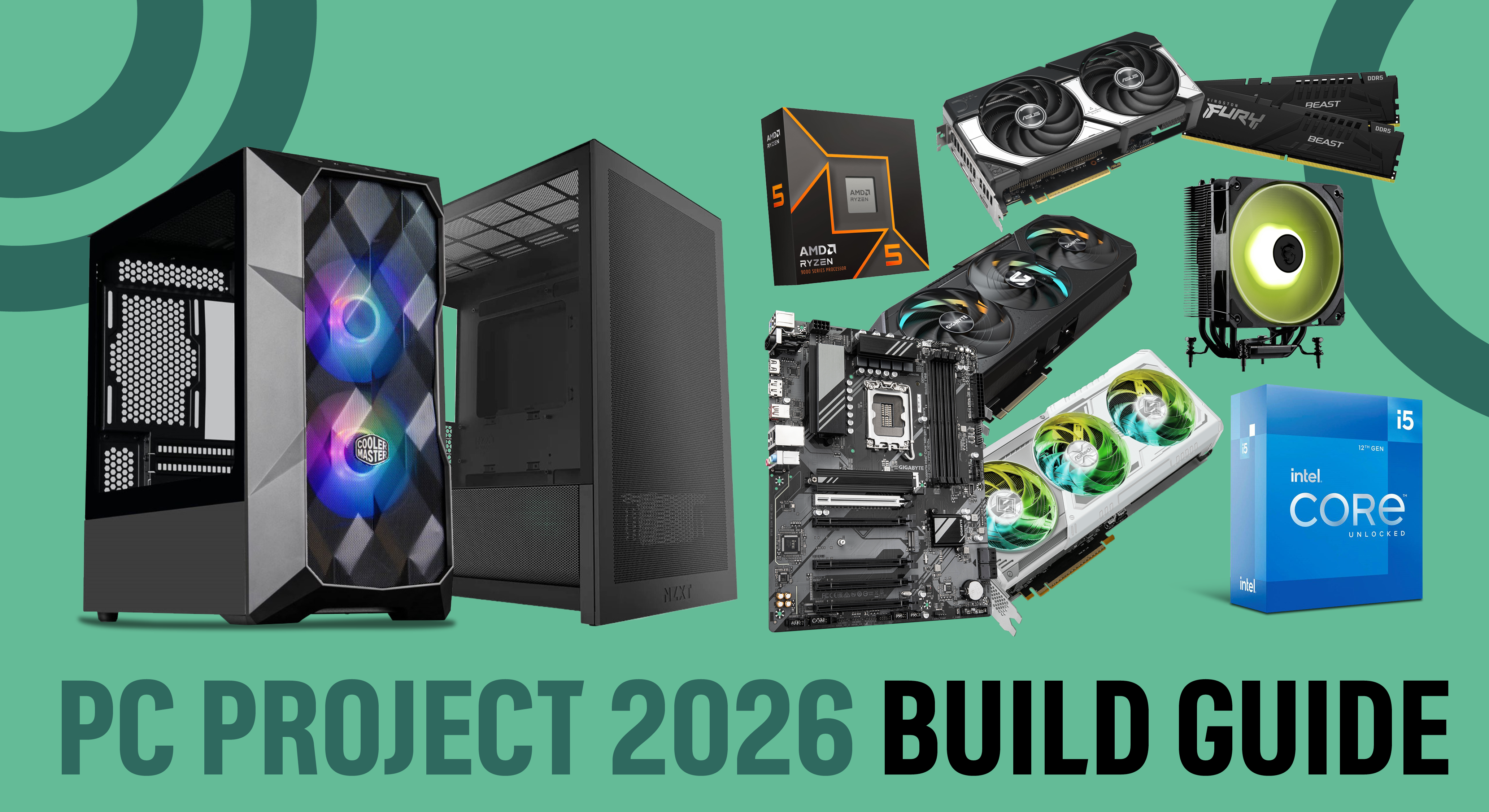


Best Gaming PC Builds For 2026 Best Gaming PC Builds For 2026.webp. PC Project 2026 Where To Start With Building Your Own Gaming PC CCL CCL 667 BLOG BUILD GUIDE 1980x1080 . How To Build A Gaming PC 2026 Complete Beginner S Guide Switchblade How To Build Gaming Pc 2026.webp. How To Build A Gaming PC In 2026 Full Tutorial W Assembly BIOS . How To Build A Gaming PC In 2026 Step By Gaming PC Guru How To Build A Gaming Pc 2026 Step By Step Hero
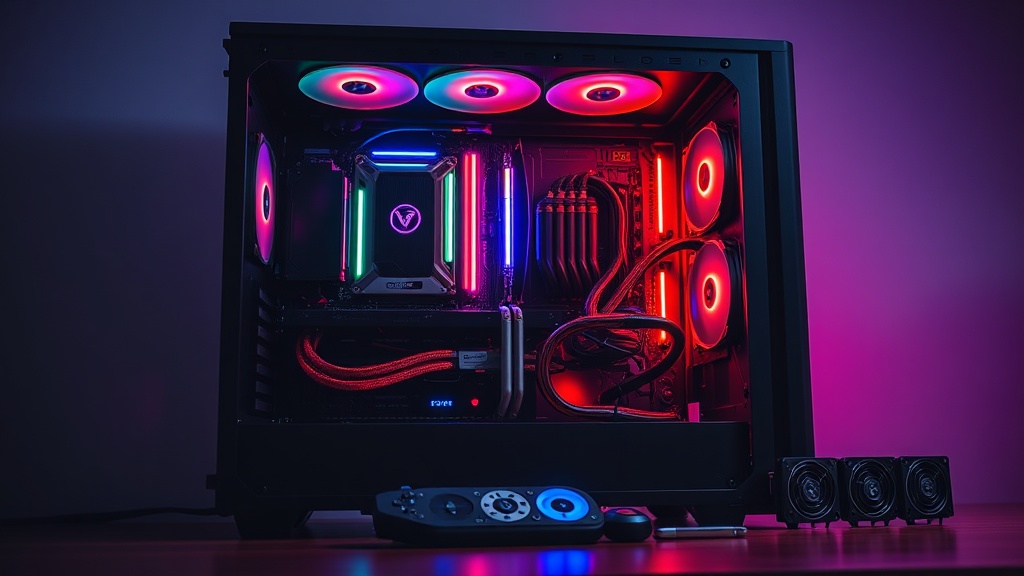
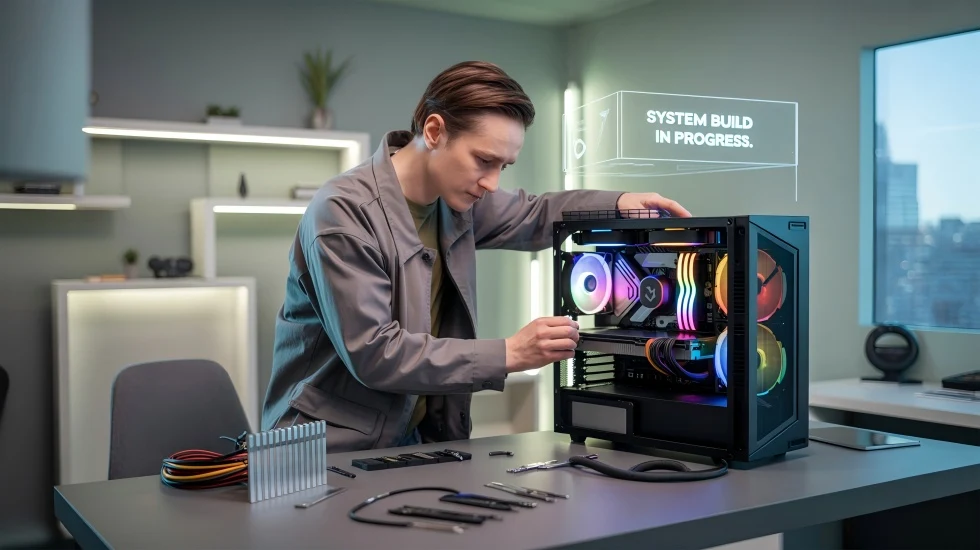

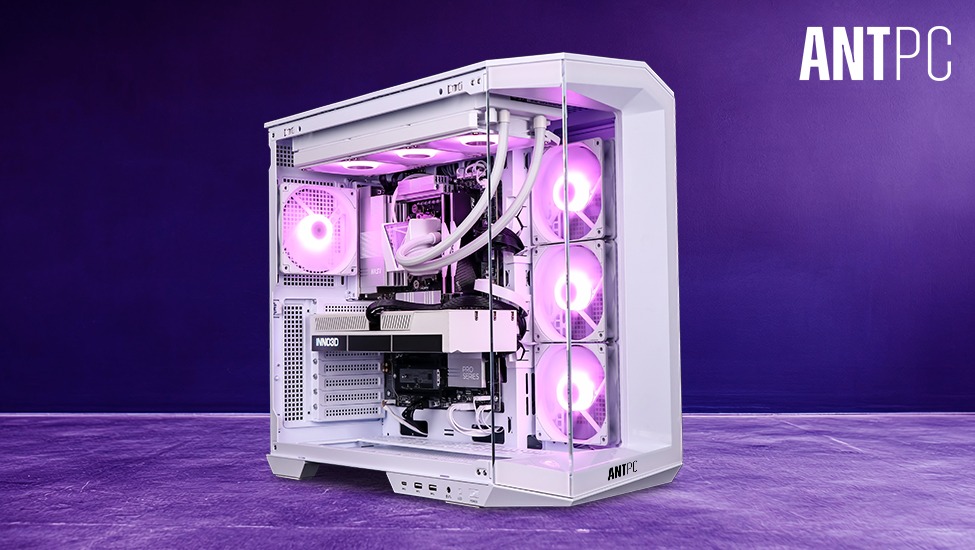
How To Build A Gaming PC In 2026 Complete Parts Guide And Assembly Gaming Pc Build 2026 Hero . How To Build A PC In 2026 GEEKOM UK Pc Building Guide.webp. Building Custom PC 2026 Complete Guide Components Steps And Tips Image. How To Build A Gaming PC In 2026 Complete Beginner Guide How To Build Gaming Pc 2026 . How To Build A Future Proof Gaming PC In 2026 Complete Custom Build Guide 1773043345
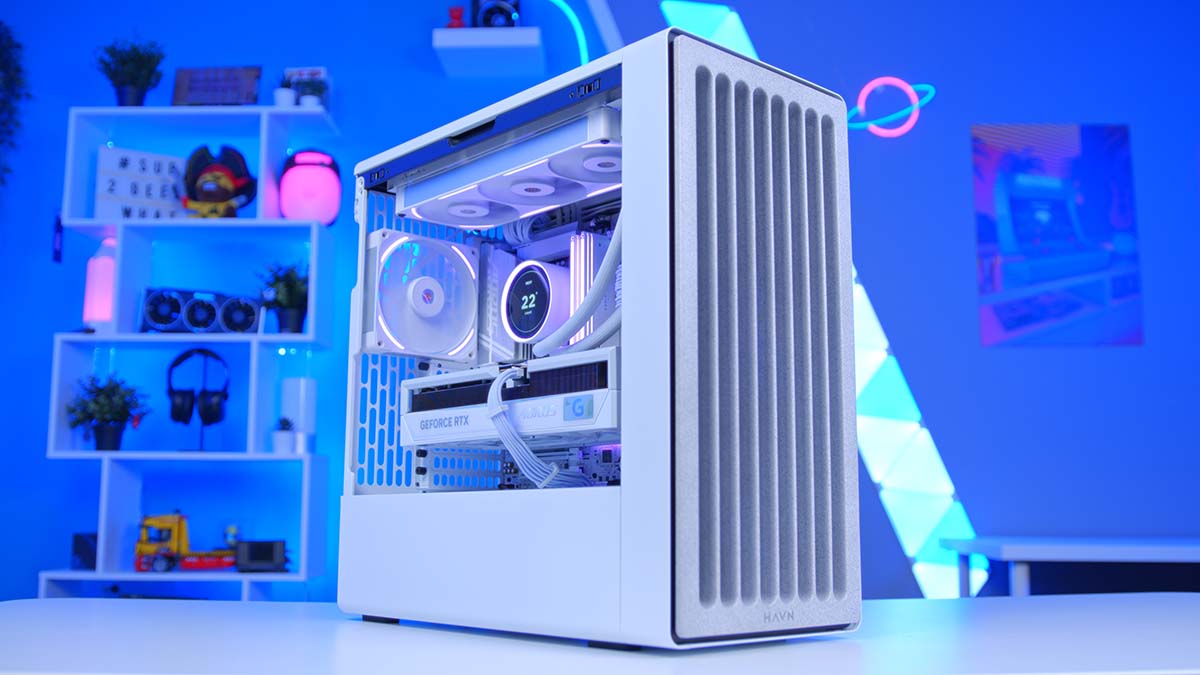
The Ultimate Gaming PC Build 2026 Guide By Xidax 1 Unnamed . How To Build A Gaming PC In 2026 Ultimate Step By Step Guide YouTube . How To Build Gaming PC Guide 2026 Step By Step Budget Gaming PC 2026 Gaming Pc . Building An Affordable Gaming PC For 2026 GeekaWhat FI DP056 Antec Flux M 9060XT 1024x576 . Building An Enthusiast Grade PC Build For 2026 GeekaWhat FI DM87 HAVN BF RTX 5090 Build


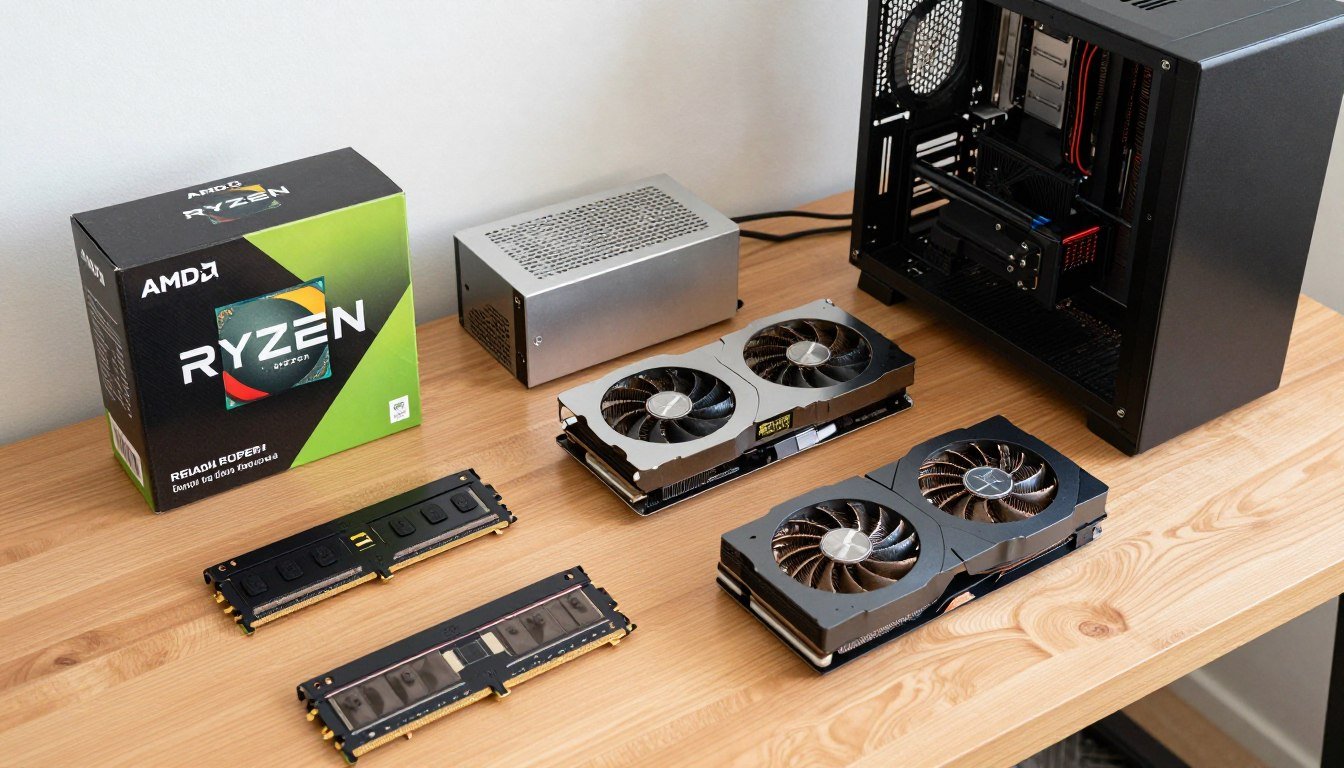


Ultimate Gaming PC Build Guide 2026 From Gaming PC Guru Ultimate Gaming Pc Build Guide 2026 Hero . How To Build Your First Gaming PC In 2026 Step By Step YouTube . Budget PC Build 2026 Complete Guide To Building Cheap Gaming PCs Budget PC Build 2026 Components Laid Out On Desk . How To Build A 1 000 Gaming PC In 2026 That Outperforms Colorful Bright Illuminated Rgb Gaming Pc With Keyboard Mouse Monitor. Best PC Builds For Gaming 2026 Ultimate Guide To Building Your Dream Best PC Builds For Gaming 2026


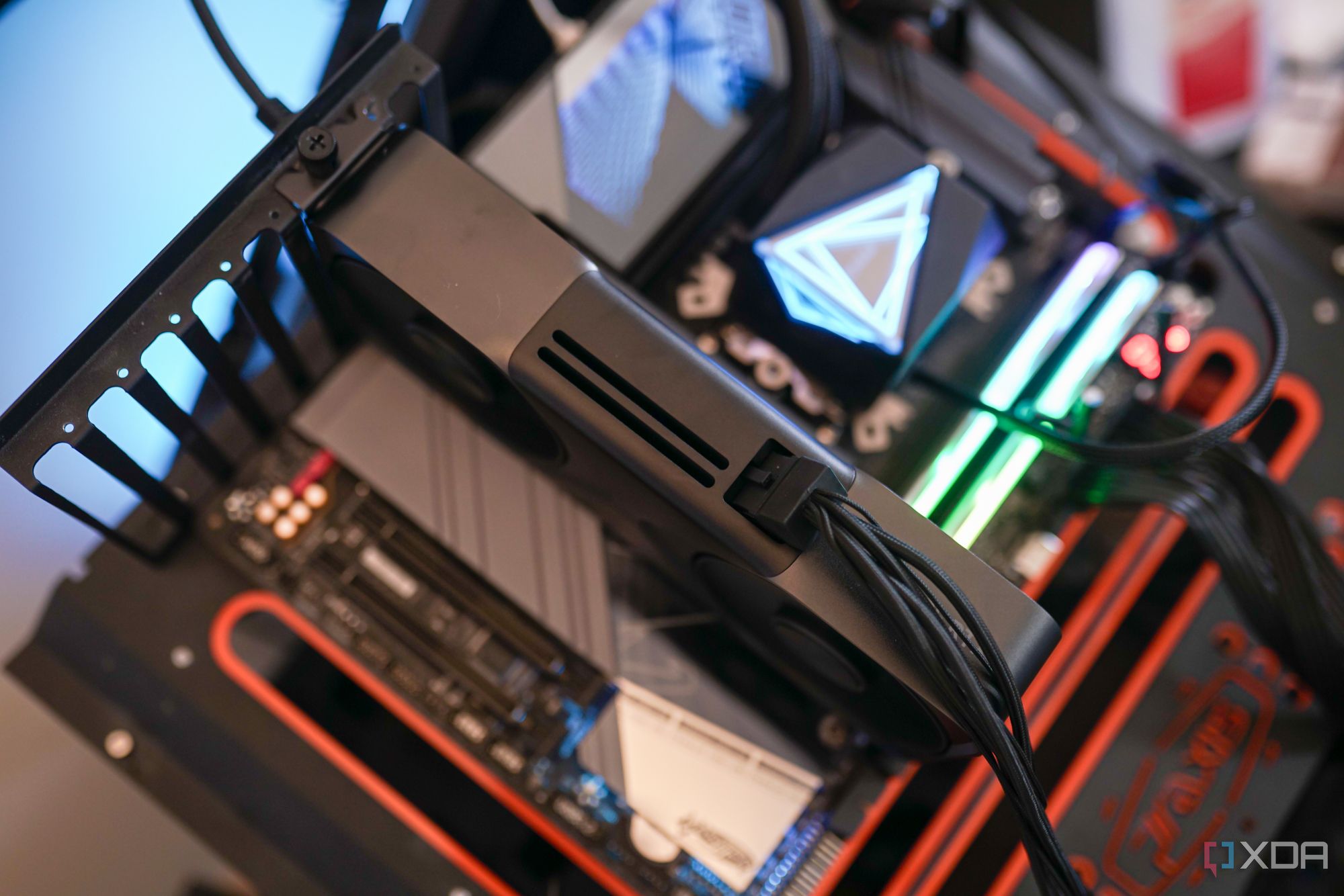

Best Prebuilt Gaming PC 2026 1440p 4k Budget Best Gaming PC . Gaming Desktop PC Guide 2026 Build The Ultimate Gaming Setup 2 2 3 . The Gaming PC You Need To Build For 2026. How To Build Your Dream Gaming Setup In 2026 How To Build Your Dream Gaming Setup.webp. Custom Gaming PC Builder In India Where To Buy How To Choose 2026 Custom Gaming PC Builder In India
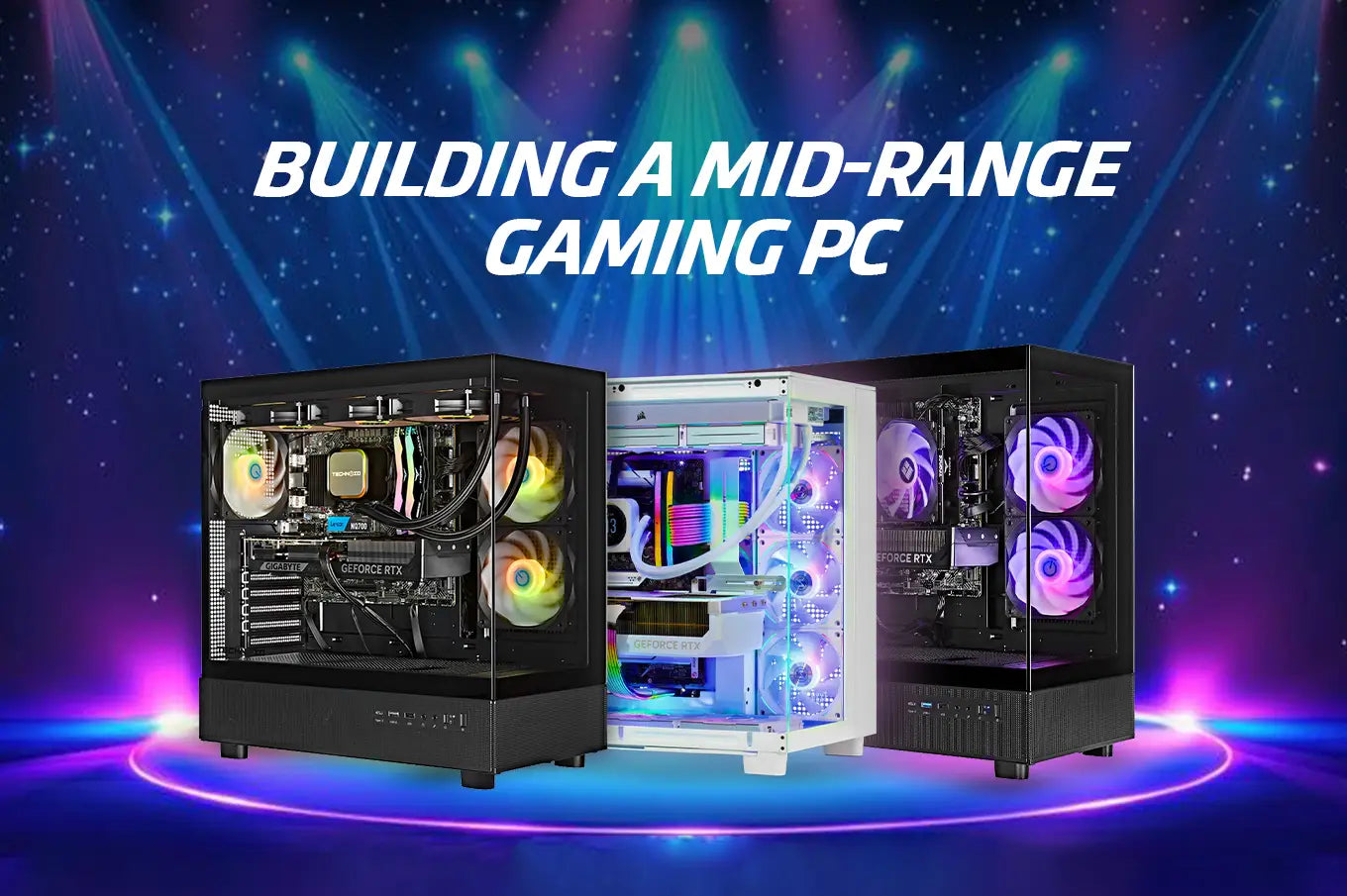


Best Processors For Gaming In 2026 For Every Budget Technoid Gaming PC Building A Mid Range Gaming PC In 2026 Specs And Tips.webp. Best Budget Gaming Setup In 2026 Full Guide For Beginners Budget Friendly Gaming Setup In 2026 . How To Build A High End Gaming PC 2026 Complete Assembly Guide B0BQD58D96 Customer 1 2 768x1024 . Best Gaming PC Build 2026 Top Picks For Every Budget PC Game Haven Best 800 Dollar Gaming Pc Build 2020 1 . How To Build A Budget Gaming PC For 1440p Gaming In 2026 The Ultimate Unnamed 22

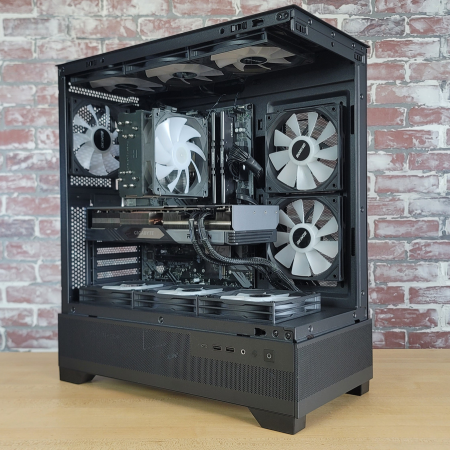
How To Build A 350 Budget Gaming PC In 2026 Geeky Gadgets. Gaming PC 2026 How To Build The Right Rig 7 Budget Tiers FinalBoss Io Image. Best Gaming PC Builds For 2026 Pc Build Help . How Much Does It Cost To Build A Gaming PC In 2026 Full Budget Guide Low Cost PC For Gaming 768x402 . R15 000 Gaming PC Guide 2026 R15 000 Gaming Pc Sa 2026 Banner.webp